



Planning the right amount of food for your event is one of the most important aspects of catering. Serving too much food can waste money, while serving too little can leave guests unsatisfied. Whether you are hosting a wedding, corporate event, birthday party, or private celebration in Chicago, understanding how to calculate portions correctly ensures your guests enjoy their meals and your budget remains under control. This guide will help you determine how much food you need for any type of event.
1. Understand the Type of Event
The first step in portion planning is understanding the type of event you are hosting. Different events require different serving styles and portion sizes:
-
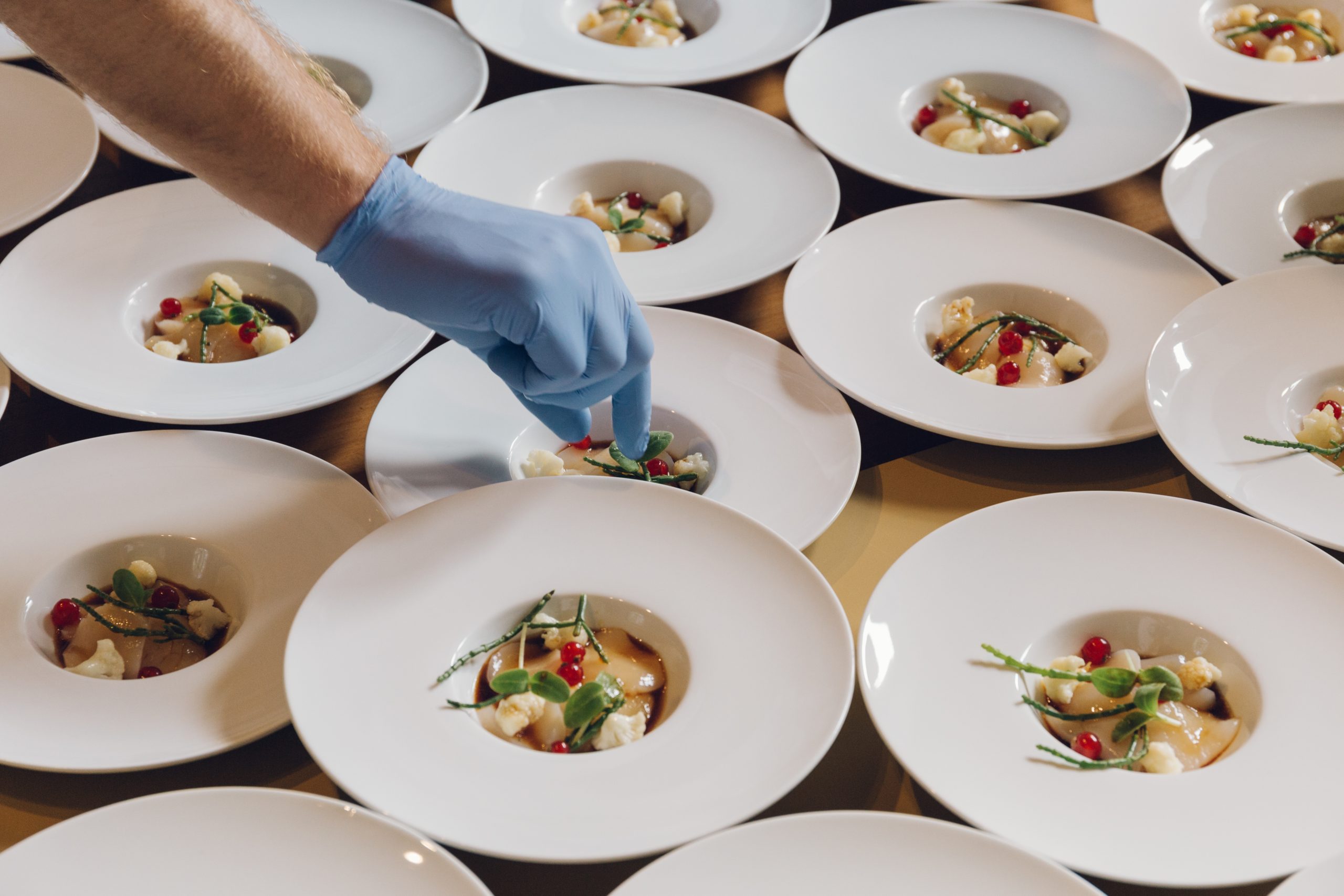
Plated Dinners: These are formal events with pre-set courses. Each guest receives a fixed portion, making it easier to plan quantities accurately.
-
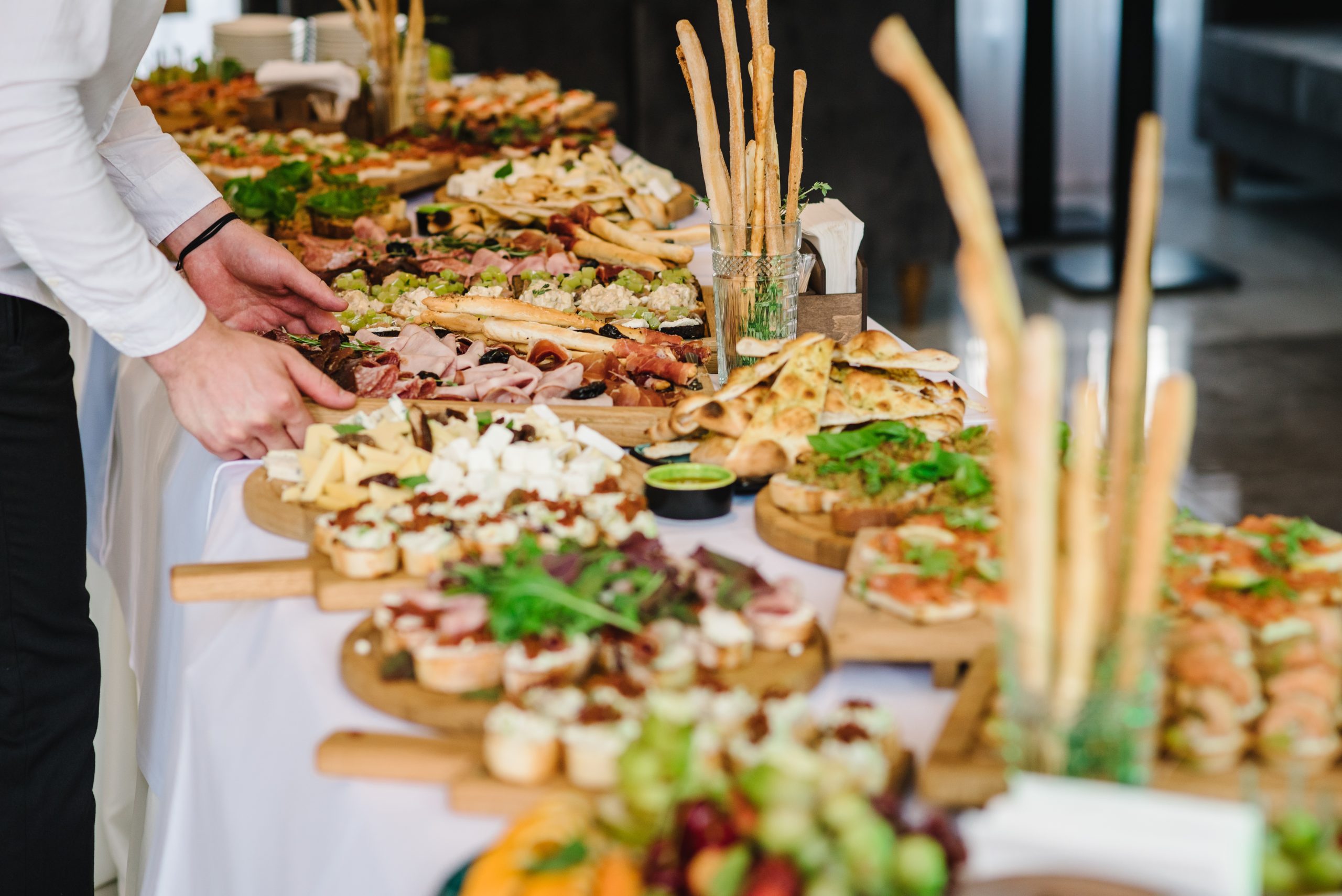
Buffets: Guests serve themselves, often taking varying amounts. Buffets require slightly more food than plated dinners to account for second servings.
-
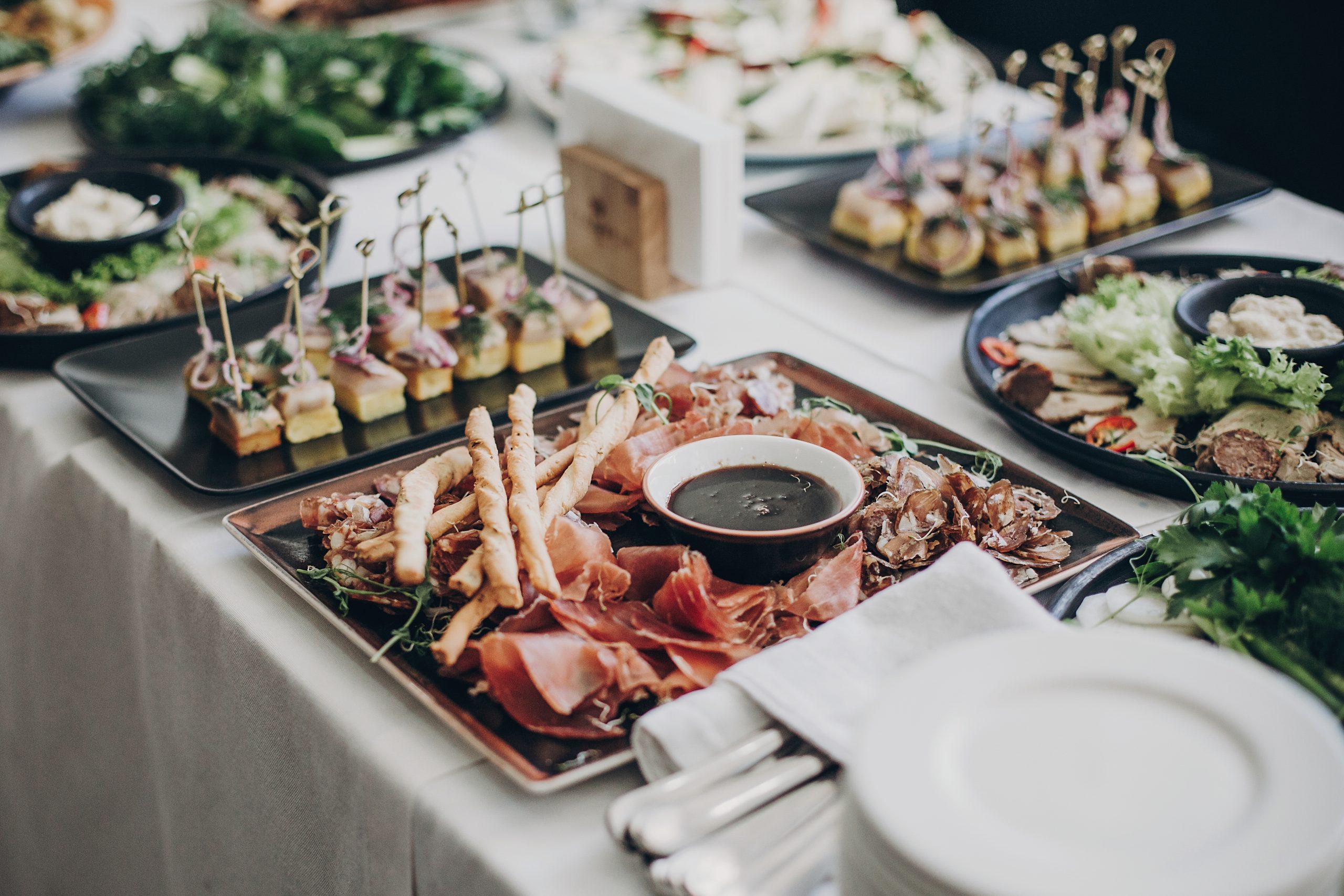
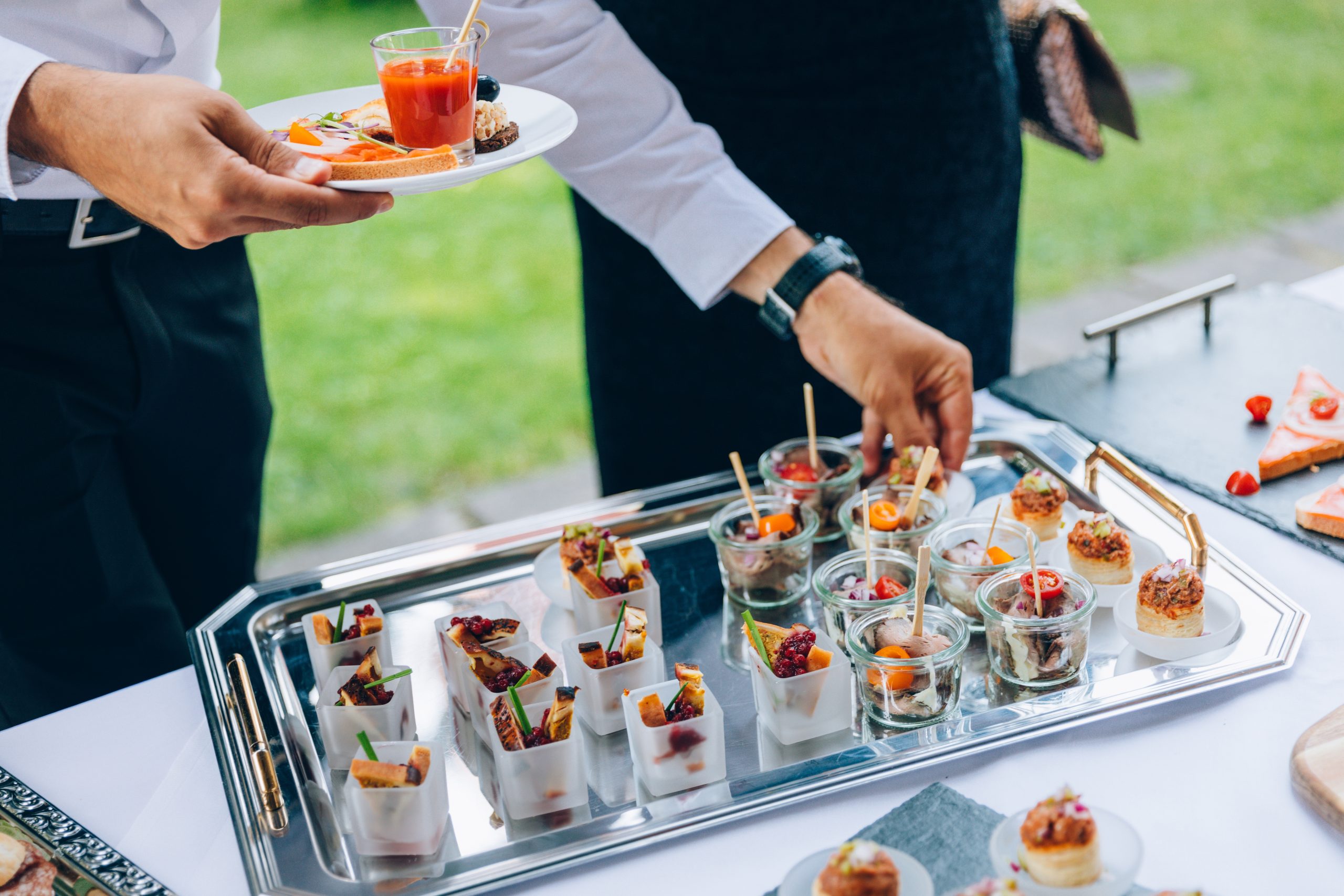
Cocktail Receptions: These typically feature small bites, hors d’oeuvres, or finger foods. Portioning for these events depends on the number of items served per guest.
-
Family-Style Meals: Dishes are shared across tables, so portions should be larger than plated servings but smaller than buffet estimates.
Understanding the style of service allows you to estimate the correct amount of food for each guest.
2. Consider the Guest Count and Demographics
The number of guests is the most obvious factor in portion planning, but guest demographics also play a role. Adults generally eat more than children, and different age groups may prefer certain types of food. For example, a corporate lunch might require smaller portions compared to a wedding dinner. Accounting for these variations ensures there’s enough food for everyone without overspending.
3. Calculate Portions for Main Courses
Main courses typically account for the majority of your catering budget. Here’s a general guideline for portion sizes per adult guest:
-
Meat or Poultry: 6–8 ounces per person for plated meals; 8–10 ounces for buffet servings.
-
Fish or Seafood: 5–7 ounces per person.
-
Vegetarian Entrées: 6–8 ounces per person.
-
Side Dishes: 4–6 ounces per person for vegetables, 4–5 ounces for starches like rice or potatoes.
For children, consider serving 50–75% of adult portions, depending on age.
4. Account for Appetizers and Hors d’oeuvres
If your event includes appetizers or finger foods, plan on 6–12 pieces per person for a short reception and 12–18 pieces per person for a longer one. Variety is important, so offer a mix of vegetarian, protein-based, and light options. For cocktail receptions, the total number of hors d’oeuvres should roughly replace a full meal, so plan accordingly.
5. Plan for Desserts
Dessert portion sizes depend on the type of sweet you’re serving. For plated desserts, 4–6 ounces per person is standard. For dessert tables or buffet-style sweets, estimate 1–2 servings per item per guest, depending on the variety offered. Chocolate or candy stations typically require 1–2 ounces per guest per item.
6. Factor in Beverages
Beverages are often overlooked in portion planning. Standard guidelines suggest one drink per guest per hour for alcohol at receptions, with non-alcoholic beverages like water, juice, and soda provided in slightly larger quantities. Consider offering a mix of alcoholic and non-alcoholic options, particularly for daytime or family-friendly events.
7. Include a Buffer
Even with careful calculations, it’s wise to include a buffer of 5–10% extra food to account for unexpected guests, larger appetites, or second servings. This ensures no guest leaves hungry and allows you to maintain a stress-free event environment.
8. Work with Your Caterer
Experienced caterers in Chicago can help refine your portion estimates. They can provide guidance based on event type, guest demographics, menu choices, and serving style. Collaborating with your caterer ensures you order the right amount of food while minimizing waste and staying within budget.
Conclusion
Calculating the right portion sizes is essential for a successful catered event. By considering the type of event, guest count, demographics, main courses, appetizers, desserts, beverages, and including a buffer, you can ensure your guests enjoy every meal without overspending. Working closely with your caterer allows for precise planning, resulting in a seamless and memorable dining experience. Proper portion planning not only helps manage costs but also contributes to a smooth, stress-free event where guests leave satisfied and your budget remains intact.