




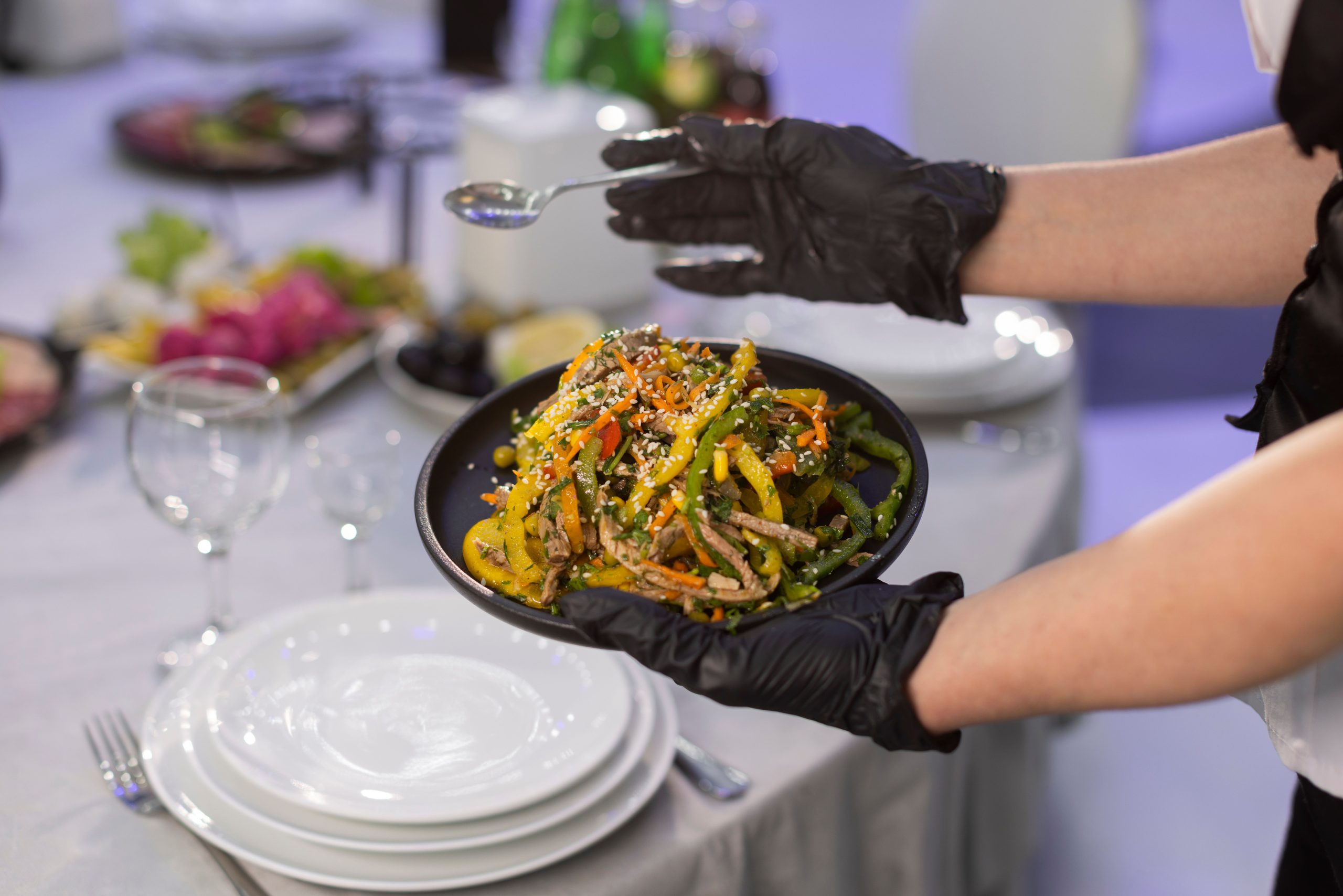
Overordering food is a common challenge when planning an event, especially in a city like Chicago with so many exceptional catering options. While it’s natural to want to ensure guests have plenty to eat, ordering too much food can lead to unnecessary waste and increased costs. By understanding proper portion planning and working closely with your caterer, you can provide just the right amount of food, keep your budget under control, and create a satisfying dining experience for everyone.
1. Understand Guest Count Accurately
The first step to avoiding overordering is accurately determining the number of attendees. Collect RSVPs well in advance and confirm attendance as the event approaches. Account for any last-minute changes or expected no-shows, but maintain a realistic estimate. Planning for a small buffer of 5–10% extra servings is usually sufficient to accommodate unexpected guests without overordering.
2. Know the Type of Event and Service Style
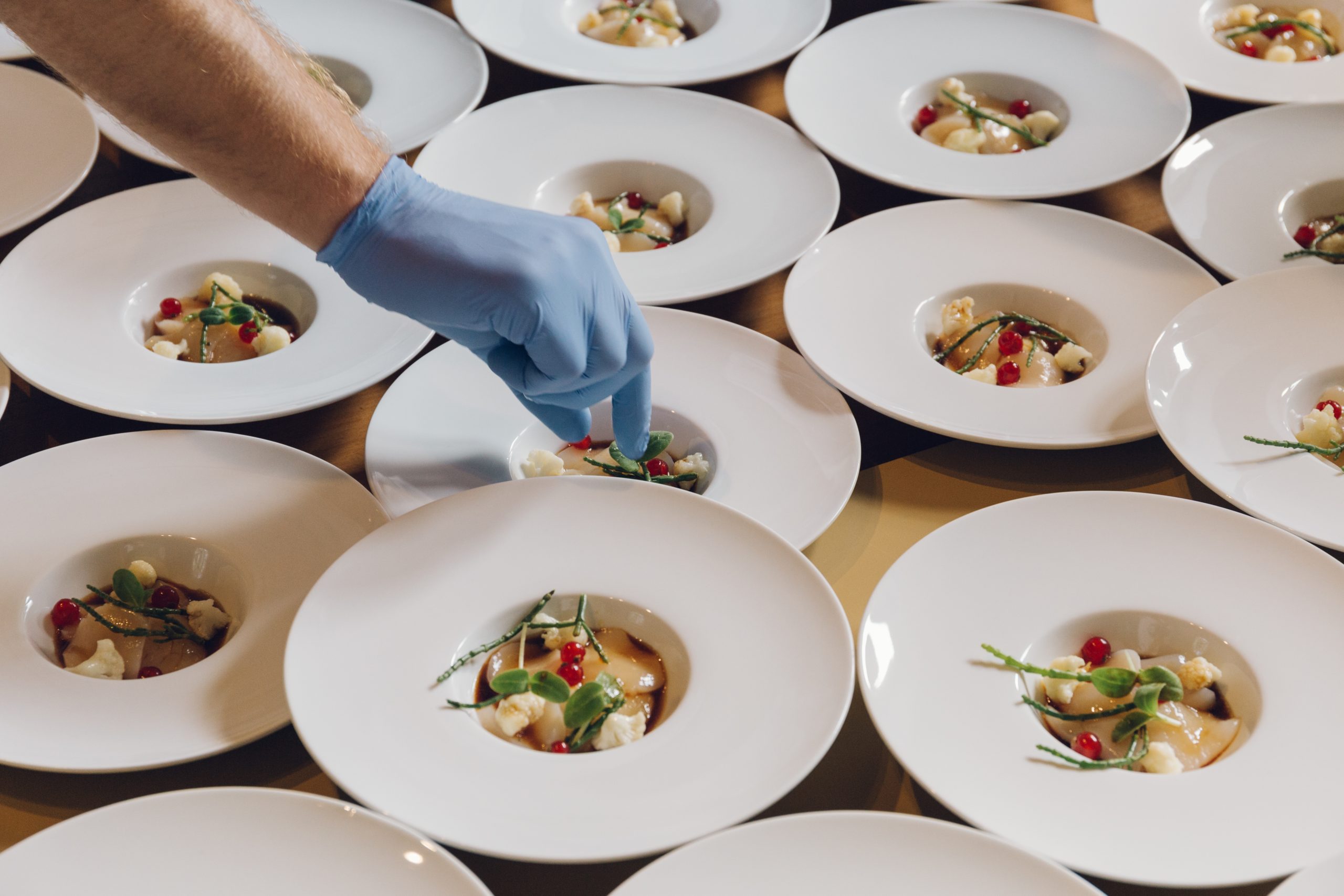
Different types of events and service styles require different portion strategies. Plated dinners involve fixed portions per guest, making it easier to avoid overordering. Buffets, on the other hand, often require slightly larger quantities because guests can serve themselves multiple times. Cocktail receptions with finger foods need portion estimates based on the number of pieces per guest. Understanding the service style ensures that you order the appropriate amount of food for your guests.
3. Consider Guest Demographics
Guest demographics play an important role in portion planning. Adults generally eat more than children, and the preferences of your audience can influence how much food is consumed. For example, a corporate lunch may require smaller portions compared to a wedding dinner with hearty entrees. If your guest list includes many light eaters or children, you can adjust portions accordingly to avoid over-ordering.
4. Work with Your Caterer
Experienced Chicago caterers are skilled at portion planning and can guide you in ordering the right amount of food. They consider factors such as event type, guest demographics, menu complexity, and service style to calculate appropriate quantities. Collaborating with your caterer ensures you provide enough food without exceeding your budget or creating excessive waste.
5. Prioritize Main Courses
Main courses are typically the most significant portion of your catering budget. Focus on accurate portioning for these dishes to prevent overordering. Use standard serving sizes—6–8 ounces per adult for meat or poultry, 5–7 ounces for fish, and 6–8 ounces for vegetarian options. Adjust portions for children or lighter eaters as needed. Proper main course portions reduce waste and help control costs while ensuring guests are satisfied.
6. Plan Appetizers and Finger Foods Wisely
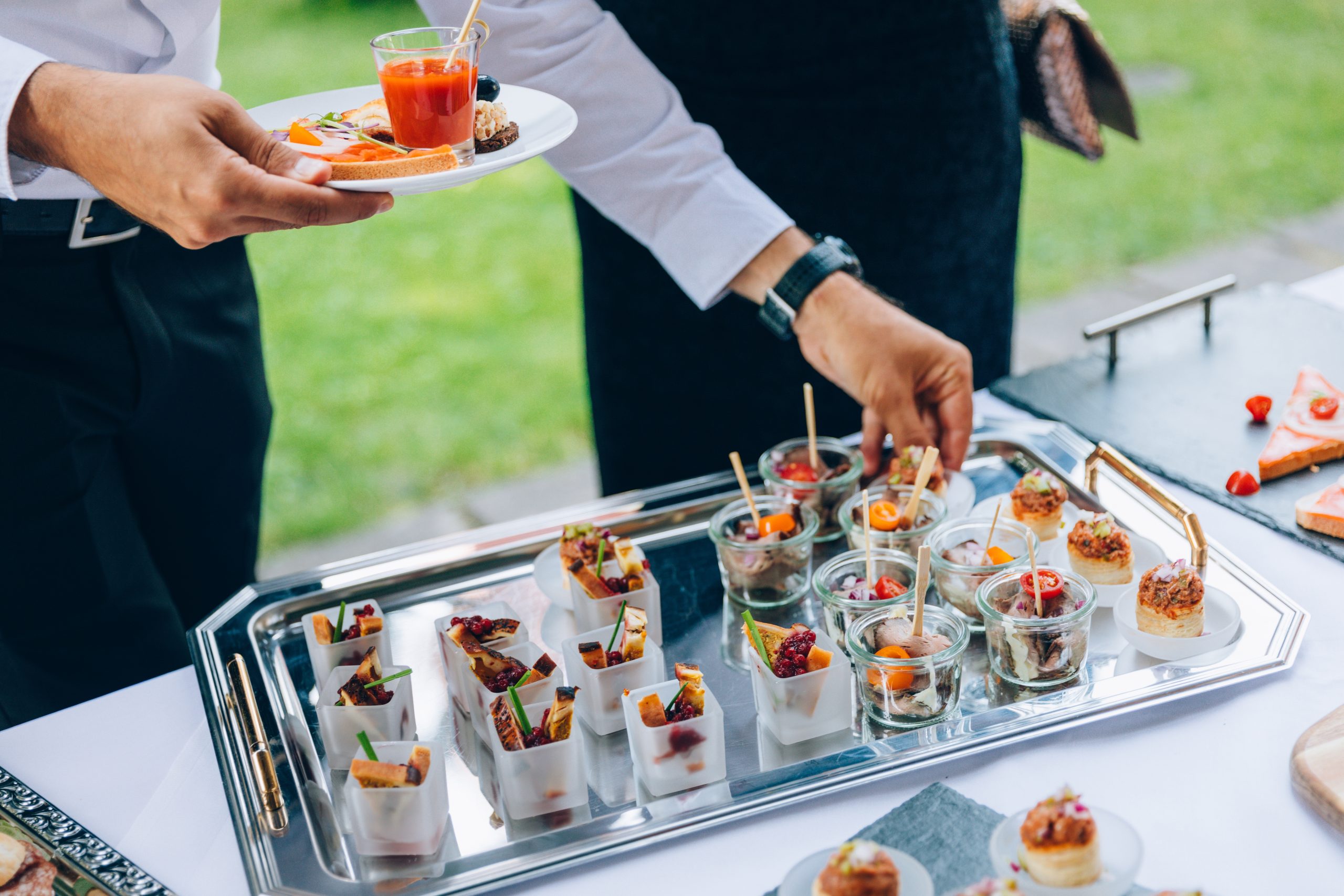
If your event includes appetizers or hors d’oeuvres, estimate servings based on the length of the event. A short cocktail reception might require 6–12 pieces per person, while a longer one may need 12–18 pieces per person. Offering a mix of vegetarian and protein-based options ensures variety and helps prevent overordering by catering to different tastes efficiently.
7. Be Mindful with Buffets
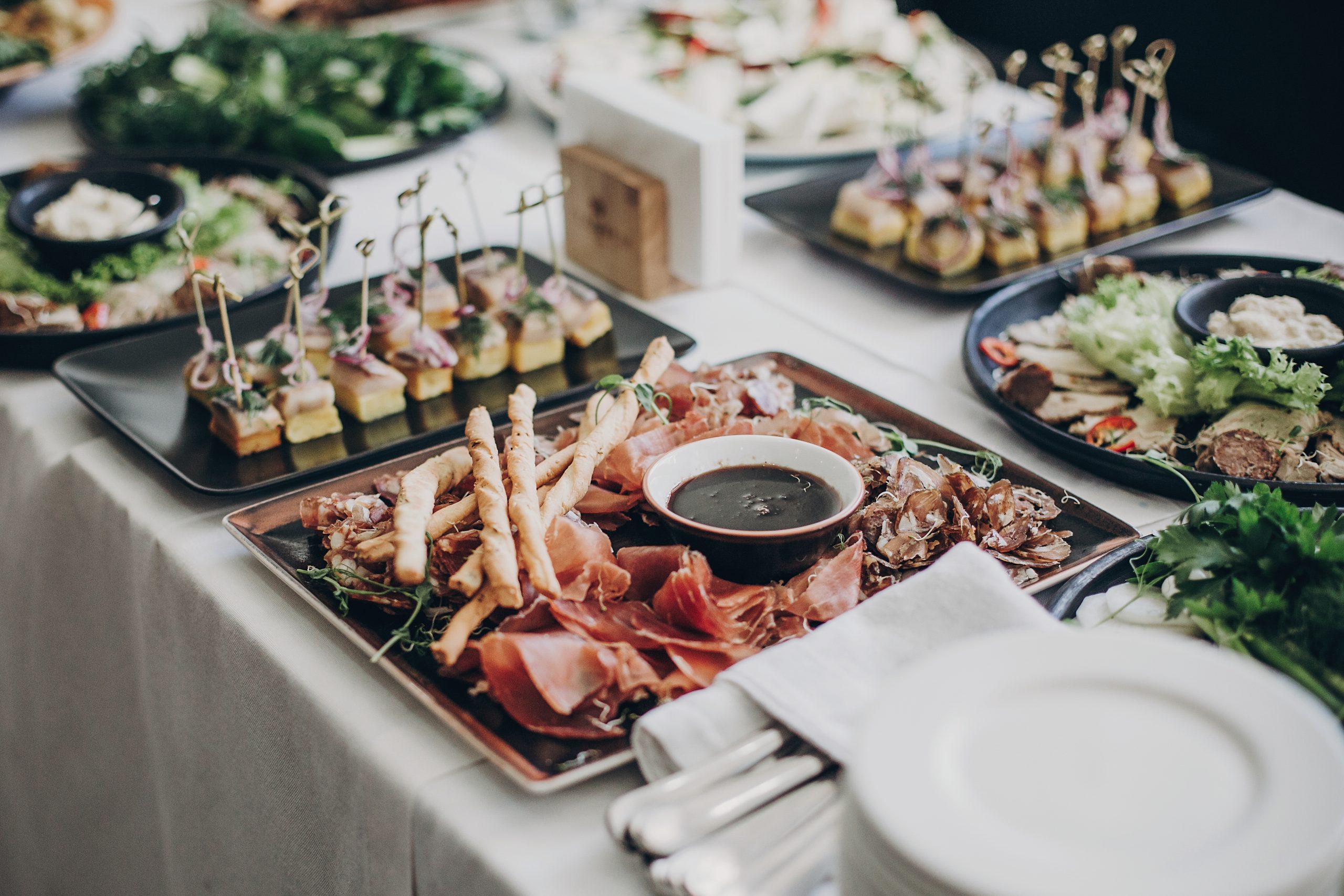
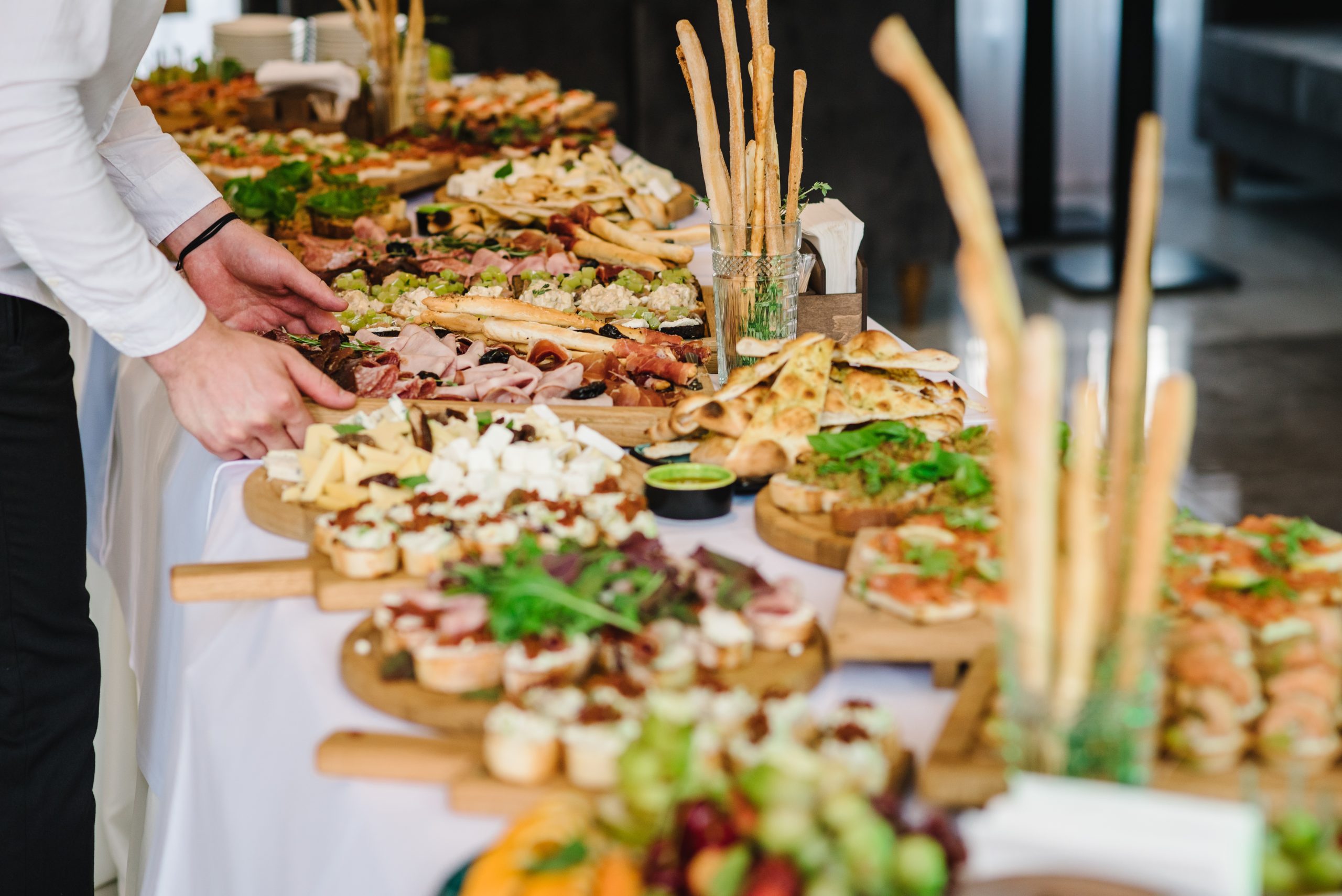
Buffet-style service often leads to overordering if not carefully managed. Use portion guidelines per person for each dish, and consider offering smaller trays or stations that encourage guests to take only what they need. Strategically placing popular items in smaller quantities can reduce waste while maintaining guest satisfaction.
8. Include a Small Buffer, Not Excess
While it’s important to have enough food, avoid adding excessive extra portions “just in case.” A 5–10% buffer is usually enough to accommodate unexpected guests or bigger appetites. Overestimating by large margins can increase costs, lead to food waste, and complicate service.
9. Consider Leftover Solutions
If you do end up with extra food, plan ahead for responsible use. Many caterers can package leftovers for guests to take home, donate to local food banks, or repurpose them for staff meals. This approach reduces waste and ensures that leftover food is used thoughtfully.
10. Review and Adjust Menu Portions
After the event, review how much food was consumed to refine portion estimates for future events. Tracking what works and what doesn’t helps you avoid overordering in the long run and improves your planning accuracy.
Conclusion
Overordering food is a common pitfall, but with smart planning and careful portion management, you can prevent waste, control costs, and ensure a satisfying experience for your guests. By accurately estimating guest numbers, understanding service style, considering demographics, working closely with your caterer, and following standard portion guidelines, you can strike the perfect balance between abundance and efficiency. Thoughtful portion planning not only keeps your catering budget in check but also contributes to a seamless and enjoyable event where every guest leaves satisfied.