



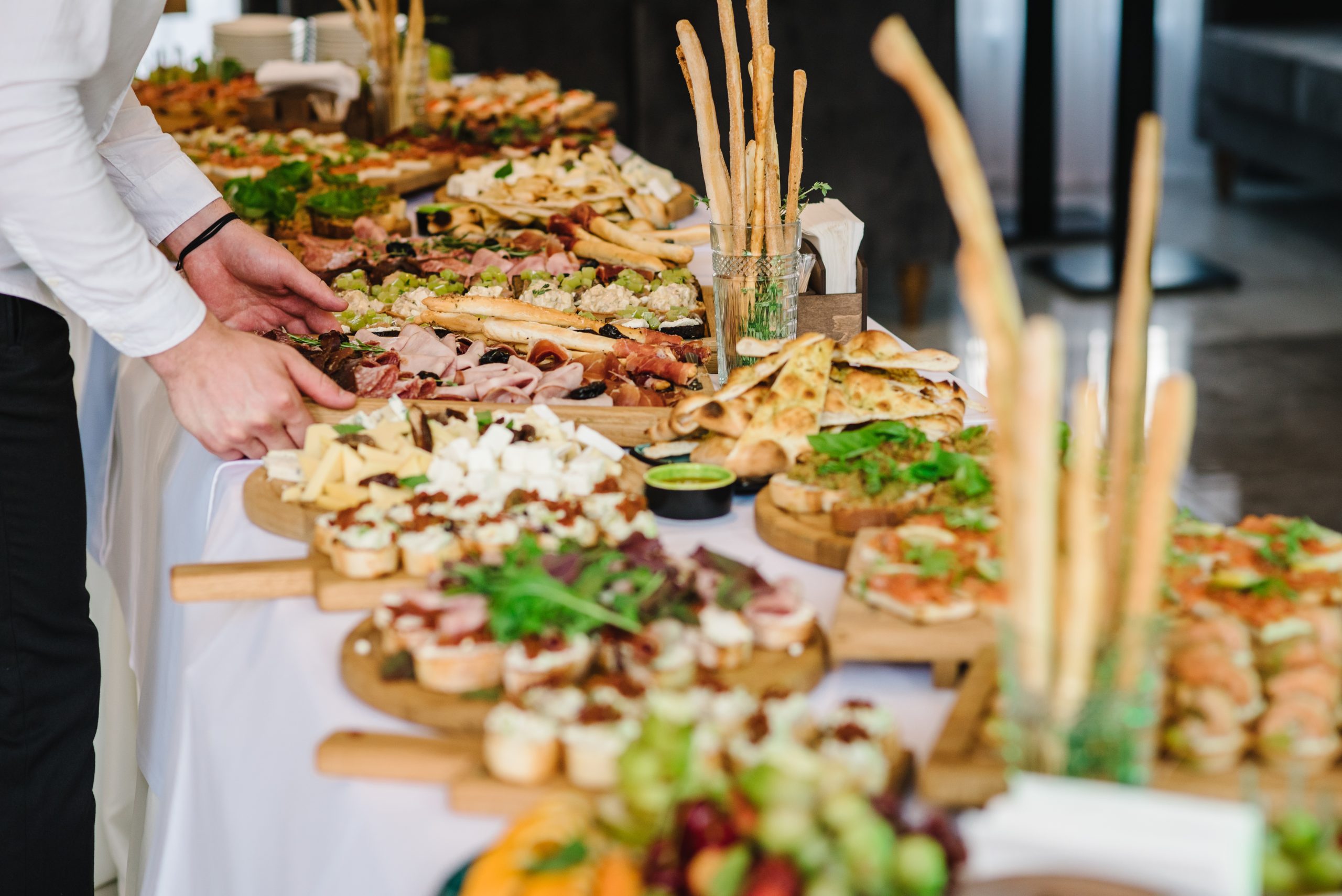

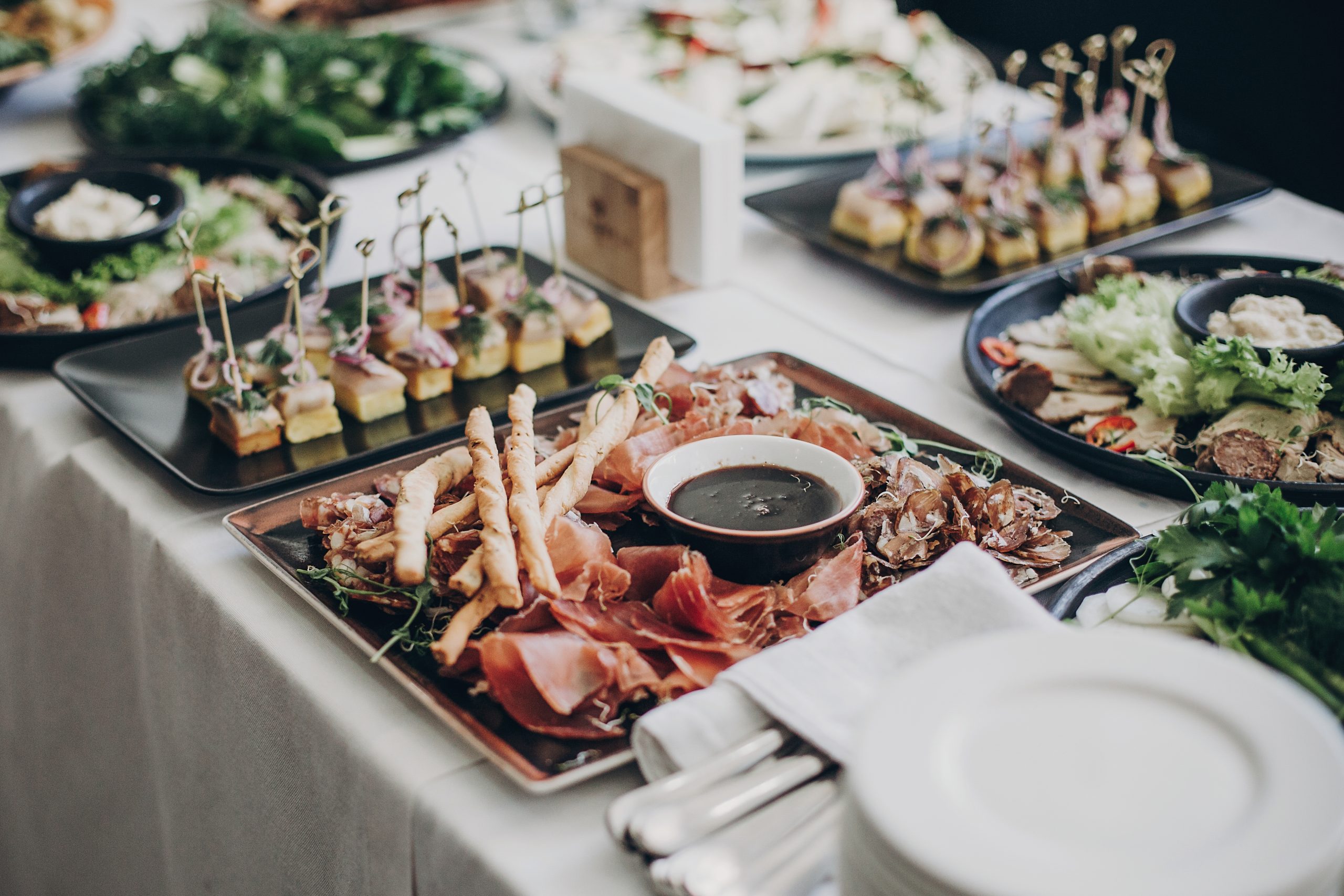
Seasonal catering is one of the most effective ways to create memorable events in Chicago. Using ingredients that are fresh, locally sourced, and in season ensures dishes are flavorful, visually appealing, and sustainable. Whether you’re hosting a corporate event, wedding, birthday party, or family gathering, designing a seasonal menu allows caterers to highlight the best produce and culinary trends of the moment. Here’s a comprehensive guide to seasonal catering menu ideas for every type of event.
1. Embrace Seasonal Ingredients
Seasonal catering focuses on ingredients that are naturally at their peak. This not only enhances flavor but also ensures quality and sustainability. For spring, consider fresh asparagus, peas, radishes, and strawberries. Summer menus can feature tomatoes, zucchini, peaches, and berries. Fall offers squash, pumpkins, apples, and root vegetables, while winter highlights citrus fruits, hearty greens, and root crops. Using seasonal ingredients allows caterers to craft menus that feel fresh, vibrant, and relevant.
2. Spring Menu Ideas
Spring menus are all about freshness and lightness. Bright salads, vegetable tarts, and light pasta dishes are perfect for the season. Examples include:
-
Spring vegetable risotto with peas and asparagus
-
Baby arugula salad with strawberries, candied nuts, and a citrus vinaigrette
-
Grilled vegetable skewers with fresh herbs
-
Mini lemon tarts or strawberry shortcakes for dessert
Spring menus emphasize rejuvenation and freshness, offering dishes that are light yet flavorful.
3. Summer Menu Ideas
Summer events call for bright, colorful, and refreshing dishes. Grilled items, chilled salads, and fruit-forward desserts are ideal for outdoor parties and casual gatherings. Popular options include:
-
Grilled corn and zucchini salad with fresh herbs
-
Watermelon and feta salad with mint
-
BBQ plant-based or meat sliders
-
Mini fruit tarts, berry parfaits, or sorbet cups
Summer menus focus on vibrant flavors, easy-to-serve dishes, and crowd-pleasing combinations perfect for warm-weather gatherings.
4. Fall Menu Ideas
Fall catering is about warmth, comfort, and rich flavors. Root vegetables, squashes, and autumn fruits are staples in fall menus. Examples include:
-
Roasted butternut squash and sage risotto
-
Pumpkin or apple soup shooters
-
Harvest grain bowls with roasted vegetables and nuts
-
Pecan pie bites or caramel apple tarts for dessert
Fall menus highlight cozy, hearty flavors that evoke comfort and seasonal nostalgia.
5. Winter Menu Ideas
Winter menus often feature rich, warming dishes that showcase seasonal produce and festive flavors. Examples include:
-
Braised winter vegetables with roasted potatoes
-
Root vegetable and lentil stew
-
Citrus-glazed roasted Brussels sprouts or carrots
-
Chocolate mousse, spiced cakes, or cranberry-based desserts
Winter catering emphasizes warmth, richness, and elegance, making it ideal for corporate dinners, holiday parties, and intimate gatherings.
6. Incorporate Global and Fusion Flavors
Seasonal menus can also incorporate global flavors to create unique culinary experiences. For example, summer produce can be paired with Mediterranean herbs and spices, while fall squash can be used in Indian-inspired curries or Asian stir-fries. Fusion menus allow guests to enjoy familiar seasonal ingredients in creative, unexpected ways.
7. Include Interactive and Customizable Stations
Interactive stations make seasonal menus even more engaging. Build-your-own grain bowls, salad bars, or pasta stations can be themed around seasonal ingredients. For example, a fall grain bowl station might offer roasted pumpkin, kale, cranberries, and toasted nuts, allowing guests to customize their meals while highlighting seasonal flavors.
8. Cater to Dietary Needs
Modern seasonal catering also considers dietary preferences and restrictions. Plant-based, vegetarian, gluten-free, and allergy-friendly options can easily be incorporated into seasonal menus. For instance, roasted vegetables, lentil dishes, and grain salads are naturally gluten-free and vegan, while seasonal fruits make excellent dessert alternatives. This ensures every guest enjoys a satisfying meal.
9. Focus on Presentation
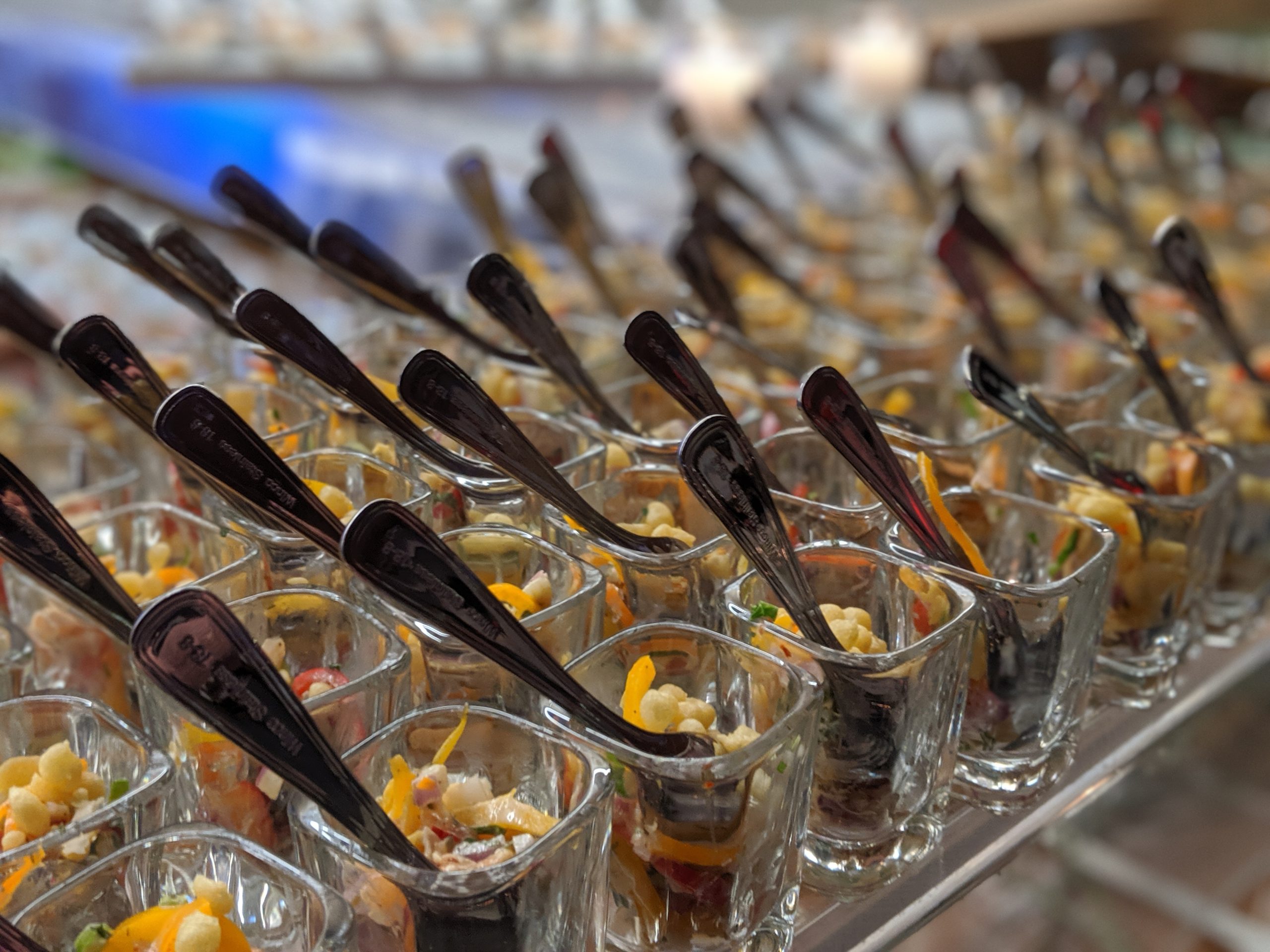
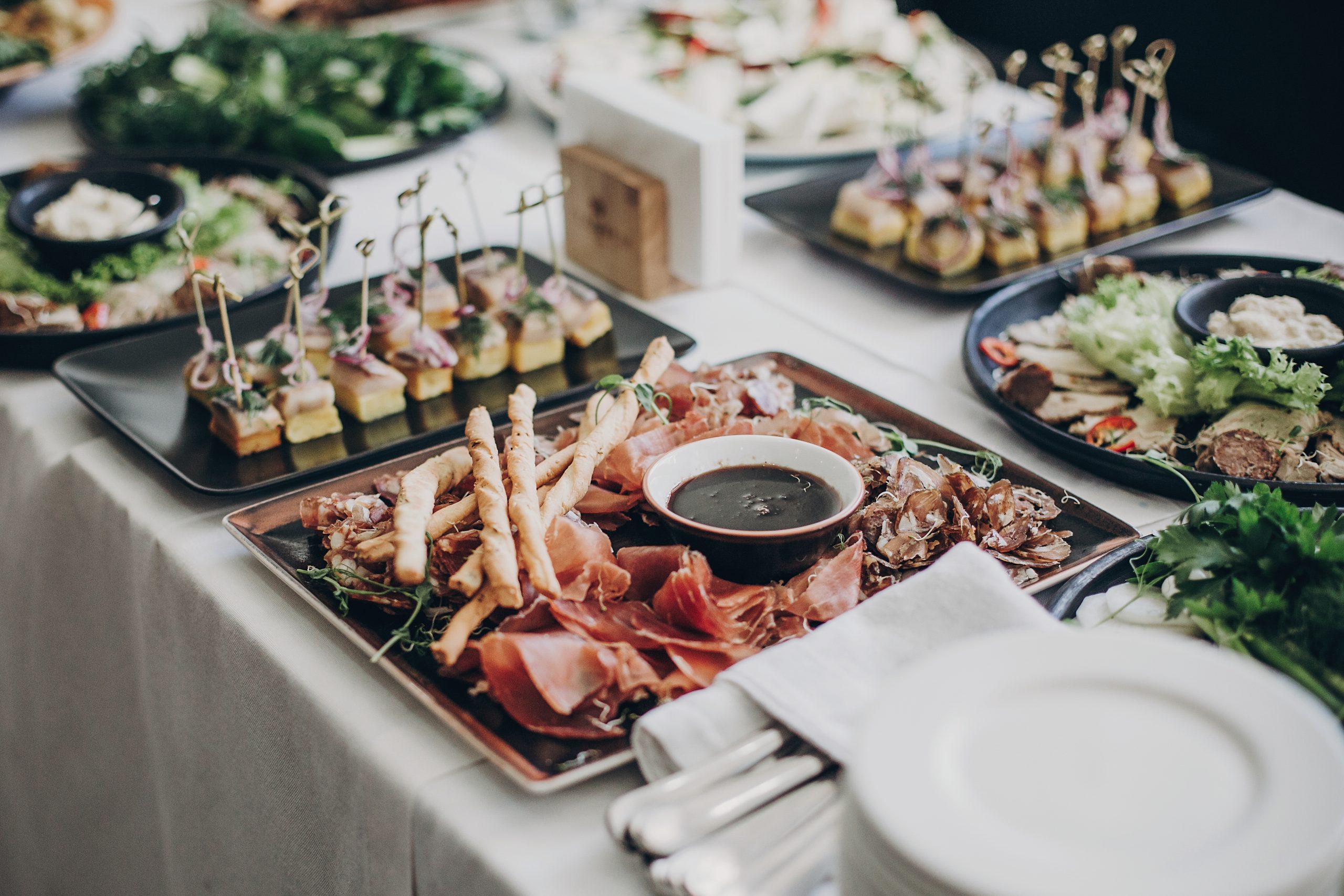
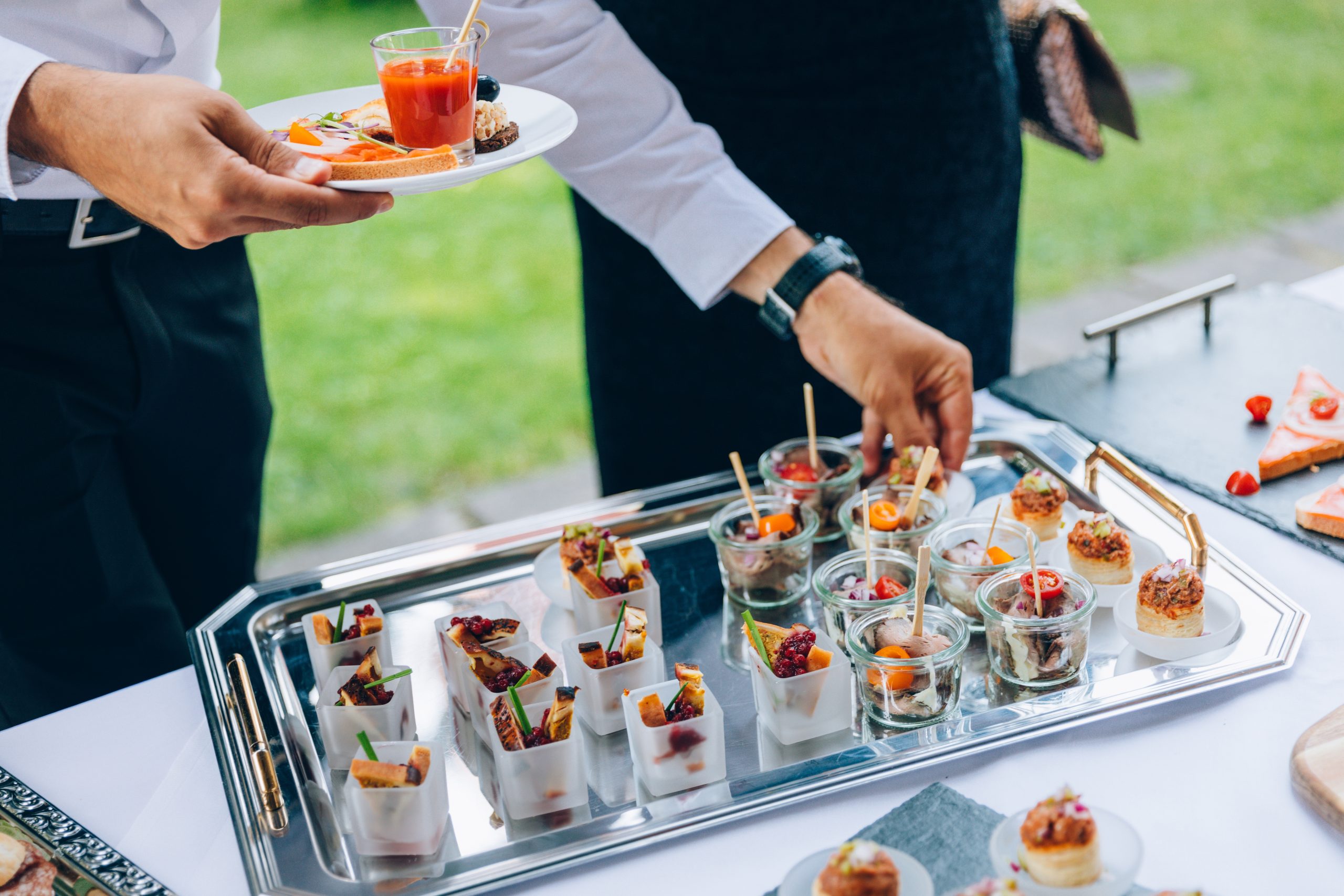
Seasonal menus are naturally colorful, offering plenty of opportunities for visually stunning presentation. Caterers can use seasonal garnishes, edible flowers, and fresh herbs to make dishes appealing. Vibrant salads, beautifully plated mains, and seasonal dessert displays elevate the dining experience and make events memorable.
10. Work with Experienced Caterers
Professional caterers are key to executing seasonal menus successfully. Experienced Chicago caterers know how to select the best seasonal ingredients, craft balanced dishes, and present them elegantly. They ensure flavors, textures, and visual appeal are optimized for every event type, from casual summer barbecues to elegant winter weddings.
Conclusion
Seasonal catering allows hosts to offer fresh, flavorful, and visually appealing menus that align with the time of year. By incorporating seasonal ingredients, designing menus around spring, summer, fall, or winter produce, embracing global flavors, including interactive stations, and catering to diverse dietary needs, events can provide a memorable dining experience for every guest.
Working with experienced caterers ensures that seasonal menus are executed flawlessly, creating vibrant, delicious, and sustainable events that leave a lasting impression. Seasonal catering is not only about food—it’s about celebrating the flavors, colors, and essence of each season in a way that guests will love.