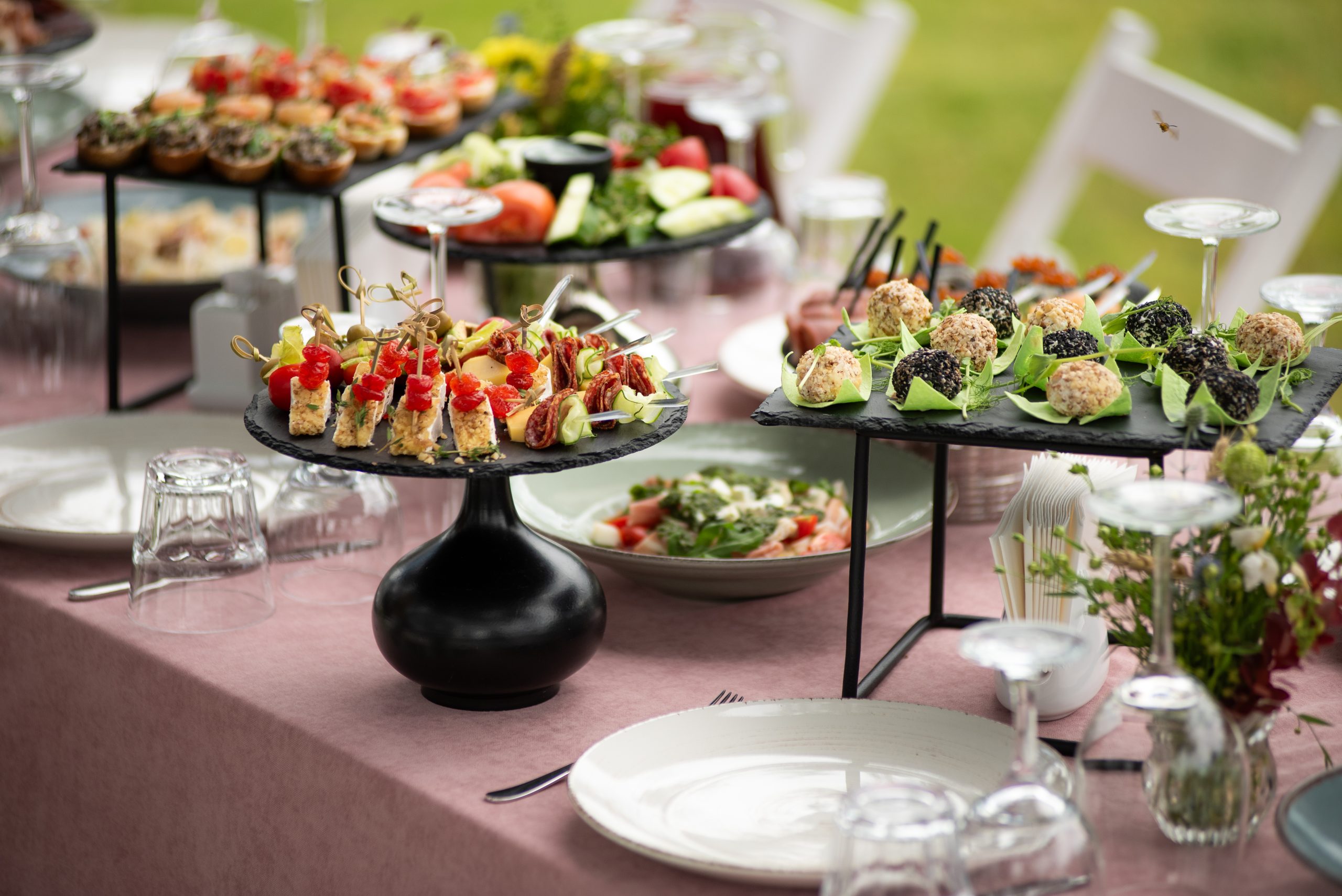








Planning an event can be exciting, but organizing catering for weddings, corporate functions, birthday parties, or family gatherings can quickly become overwhelming. A well-prepared catering plan ensures that every detail is covered, food is delicious, and guests have an unforgettable experience. For events in Chicago, where culinary standards are high and guest expectations are diverse, a complete catering planning checklist is essential. Here’s a detailed guide to help hosts and event planners navigate the catering process seamlessly.
1. Define Your Event and Budget
The first step in planning catering is clearly defining the type of event. Is it a wedding, corporate meeting, birthday, or anniversary celebration? Determining the event type will help guide menu selection, portion sizes, and service style.
Next, establish a catering budget. Factor in:
-
Food and beverages
-
Staffing costs, including servers and chefs
-
Rentals such as plates, cutlery, and glassware
-
Table setups, linens, and décor
-
Service style (buffet, plated, family-style)
A clear budget helps prevent overspending while ensuring high-quality food and service.
2. Choose the Service Style
Selecting the right service style sets the tone for your event and influences menu planning. Common styles include:
-
Buffet: Guests serve themselves; ideal for large events.
-
Plated/Seated Service: Courses are served individually; perfect for formal occasions.
-
Family-Style: Shared platters encourage social interaction.
-
Interactive Stations: Guests customize their meals; works well for casual or themed events.
Consider your venue, guest count, and event type when choosing the service style.
3. Plan the Menu
Menu planning is a critical step in catering. Include:
-
Appetizers: Finger foods, hors d’oeuvres, or small bites.
-
Main Courses: Offer variety to suit dietary preferences. Include vegetarian, vegan, and gluten-free options.
-
Sides: Complement the main dishes with balanced flavors.
-
Desserts: Include seasonal, themed, or signature desserts.
-
Beverages: Offer a mix of alcoholic and non-alcoholic options; consider signature cocktails or seasonal drinks.
When planning, consider the event season, cuisine preferences, and portion sizes to ensure every guest leaves satisfied.
4. Accommodate Dietary Needs
Modern events require catering to diverse dietary needs. Common considerations include:
-
Vegetarian and vegan dishes
-
Gluten-free options
-
Nut-free or allergy-friendly choices
-
Low-sodium or health-conscious items
Labeling dishes clearly at buffets and interactive stations prevents confusion and ensures guests feel included.
5. Confirm Guest Count and RSVP Details
Accurate guest count is essential for planning food quantities and staffing. Confirm RSVPs well in advance to avoid shortages or excessive waste. Caterers typically require a final guest count at least one to two weeks before the event.
6. Hire Professional Caterers
Selecting experienced caterers is key to executing a flawless event. Consider:
-
Local Chicago caterers with positive reviews
-
Specialty expertise, such as wedding, corporate, or themed catering
-
Menu customization options
-
Staff availability and professionalism
Professional caterers manage everything from preparation to service, ensuring a smooth dining experience.
7. Coordinate with Venue
Ensure the venue supports your catering needs:
-
Kitchen access and facilities
-
Electricity, water, and heating/cooling for food stations
-
Space for buffet, plated service, or interactive stations
-
Restrictions on external catering or alcohol service
Communication with the venue and caterers prevents last-minute surprises.
8. Arrange Staffing and Service Details
Staffing is essential for a seamless catering experience. Determine:
-
Number of servers and chefs
-
Bartenders for beverage service
-
Setup and cleanup crew
-
Timing of service for appetizers, main courses, and desserts
Professional staff enhances guest satisfaction and ensures smooth execution.
9. Plan Logistics and Equipment
Ensure all equipment and supplies are ready, including:
-
Chafing dishes, trays, and serving utensils
-
Plates, cutlery, glasses, and napkins
-
Table linens and décor
-
Food transport and storage containers
Proper logistics keep food fresh, safe, and attractive throughout the event.
10. Taste Testing and Final Confirmation
Many caterers offer tasting sessions before the event. This allows hosts to:
-
Sample dishes and confirm flavor and quality
-
Make adjustments to recipes or portion sizes
-
Finalize presentation and styling preferences
Confirm all menu items, staffing, and timelines in writing to avoid miscommunication.
Conclusion
A complete catering planning checklist ensures every aspect of your event’s dining experience is carefully considered. From defining the event and budget to choosing service styles, menu planning, accommodating dietary needs, coordinating with the venue, arranging staffing, and confirming logistics, careful planning guarantees a seamless and memorable event.
For Chicago events, partnering with experienced caterers ensures that every dish is flavorful, beautifully presented, and served professionally. Following a thorough checklist reduces stress, prevents last-minute issues, and creates an enjoyable experience for hosts and guests alike. With careful planning and attention to detail, catering can transform any event into a culinary success.