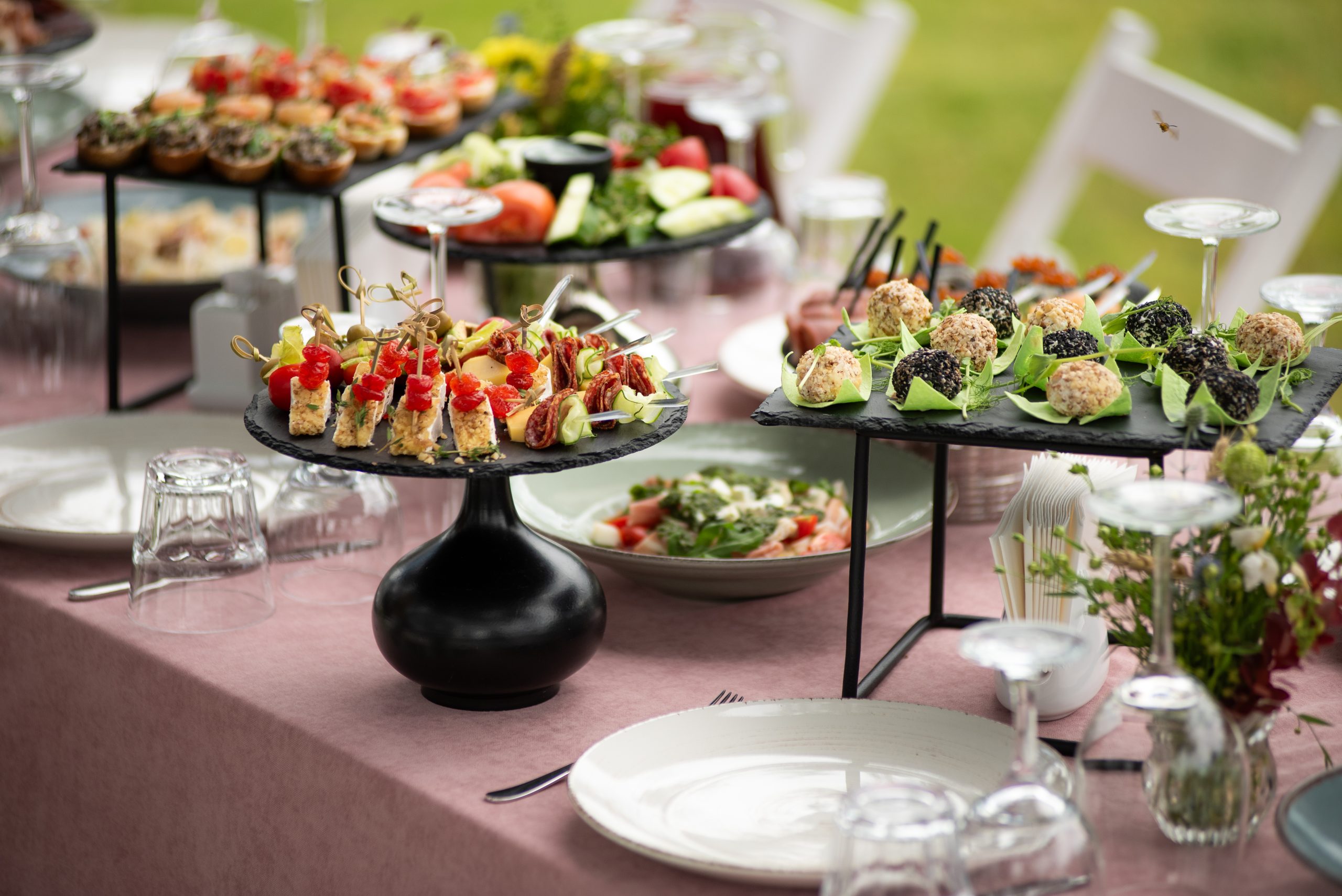









Planning the timing of catering for an event is just as important as choosing the menu. A well-structured catering timeline ensures that food is prepared, presented, and served seamlessly, keeping guests satisfied and the event running smoothly. Whether you are organizing a wedding, corporate function, birthday party, or family gathering in Chicago, a step-by-step catering timeline helps coordinators, caterers, and hosts stay on track. Here’s a detailed guide to planning a perfect catering timeline.
1. Six to Twelve Months Before the Event: Initial Planning
Start planning catering early, especially for large or complex events. At this stage, you should:
-
Determine the type and size of the event.
-
Set a catering budget.
-
Research and book a professional caterer.
-
Consider the service style (buffet, plated, family-style, or interactive stations).
-
Reserve your venue and ensure it accommodates catering needs.
Early planning allows you to secure top caterers in Chicago, especially during peak wedding and holiday seasons.
2. Three to Six Months Before the Event: Menu Development
Once your caterer is booked, begin planning the menu:
-
Select appetizers, main courses, sides, desserts, and beverages.
-
Include dietary-friendly options for vegetarians, vegans, gluten-free, and allergen-sensitive guests.
-
Decide on seasonal or themed menus based on the time of year.
-
Schedule a tasting session to confirm flavors and presentation.
This period also allows for menu adjustments, ensuring that every dish aligns with the event’s style and theme.
3. Two to Three Months Before the Event: Staffing and Rentals
During this phase, focus on the logistics of service:
-
Determine the number of servers, chefs, and bartenders required.
-
Reserve rentals such as plates, cutlery, glassware, linens, tables, and chairs.
-
Confirm any special equipment needed, like chafing dishes, food warmers, or ice sculptures.
Ensuring proper staffing and equipment availability in advance prevents last-minute shortages and ensures smooth service.
4. One Month Before the Event: Finalize Details
With the event approaching, finalize all catering details:
-
Confirm the final guest count for accurate portioning.
-
Review the menu and make any last-minute adjustments.
-
Confirm service style, timing, and layout of food stations or buffet setups.
-
Coordinate with the venue regarding kitchen access, storage, and serving areas.
Having these details locked in helps the caterer prepare efficiently and ensures that nothing is overlooked.
5. One to Two Weeks Before the Event: Confirm and Rehearse
This is the time to conduct final confirmations:
-
Reconfirm menu items, dietary accommodations, and special requests.
-
Verify staffing schedules and arrival times.
-
Discuss timelines for food preparation, delivery, and service.
-
Conduct a walkthrough with the venue and caterer to confirm setup and service flow.
For complex events, a rehearsal of key aspects, like plated service or interactive stations, can help identify potential issues before the event day.
6. One to Two Days Before the Event: Food Preparation and Setup Planning
Professional caterers often begin prep work 1–2 days prior:
-
Pre-chop vegetables, marinate proteins, or prepare sauces and desserts.
-
Pack and transport necessary equipment, linens, and tableware.
-
Set up stations or buffet areas if the venue allows early access.
Proper prep ensures timely execution on the day of the event and reduces stress for both the catering team and the host.
7. Event Day: Execution and Service
On the event day, timing is critical:
-
Caterers arrive early to set up stations, buffets, or plated service areas.
-
Food is cooked, plated, or held at appropriate temperatures for serving.
-
Servers coordinate with the host and event schedule to serve courses on time.
-
Beverages and interactive stations are monitored and replenished as needed.
Seamless execution relies on the preparation, coordination, and professionalism of the catering team.
8. Post-Event: Cleanup and Feedback
After the event, caterers handle cleanup and equipment removal. Hosts can:
-
Provide feedback on service, food quality, and presentation.
-
Discuss future events or long-term catering partnerships.
Post-event evaluation helps refine planning for future occasions and ensures continuous improvement in service quality.
Conclusion
A step-by-step catering timeline is essential for flawless event execution. From early planning and menu selection to staffing, prep, execution, and post-event evaluation, each stage contributes to a smooth and memorable dining experience.
In Chicago, where catering standards are high and guest expectations are diverse, adhering to a detailed timeline ensures that food is fresh, service is professional, and guests are impressed. By following this timeline, hosts can reduce stress, avoid last-minute problems, and create a seamless and enjoyable event that leaves a lasting impression.