




Catering can quickly become the largest expense when planning any event. Whether you’re hosting a birthday party, corporate gathering, baby shower, or intimate wedding, managing food costs without sacrificing quality is essential. The key is smart planning, strategic menu choices, and creative solutions that make your spread look impressive while staying budget-friendly.
Here are affordable catering tips for any event that ensure your guests enjoy delicious food without breaking the bank.
1. Plan Your Menu Strategically
A well-planned menu is the cornerstone of affordable catering. Start by deciding what type of food fits your event:
-
Casual gatherings: Finger foods, sliders, tacos, and pasta dishes work well.
-
Brunch events: Casseroles, fresh fruit, pastries, and coffee are filling and affordable.
-
Evening dinners: Buffet-style pasta or chicken dishes with simple sides can be elegant yet cost-effective.
Limit the number of items. Offering 6–8 carefully selected dishes is more manageable and often more appreciated than a long list of options. Guests notice quality and presentation more than quantity.
2. Embrace Buffet-Style or Family-Style Service
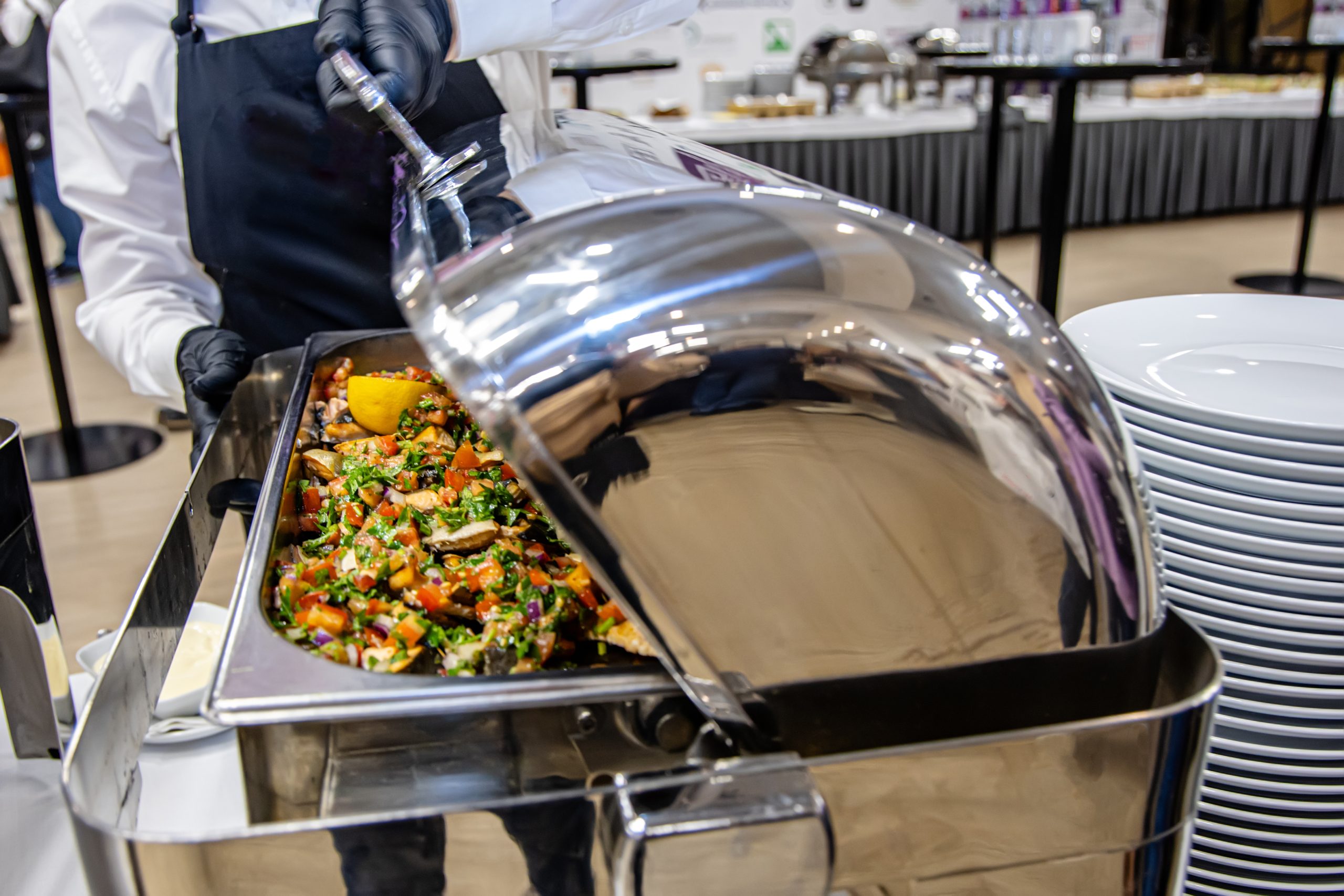
Plated meals require extra staff, precise portioning, and more elaborate table settings, all of which increase costs. Buffets and family-style serving reduce labor costs and allow guests to serve themselves.
Buffet setups also help with portion control. Guests can take only what they want, minimizing food waste while stretching your ingredients further.
For medium-sized events, many venues in Chicago recommend buffet-style layouts to save on both catering and staffing expenses.
3. Use Budget-Friendly Proteins
Protein is often the most expensive component of catering. Smart substitutions can significantly reduce costs:
-
Chicken thighs instead of breasts
-
Ground beef or turkey instead of premium cuts
-
Eggs and beans for brunch or vegetarian dishes
-
Casseroles and pasta dishes that stretch protein further
For themed events, you can incorporate global cuisine for variety without increasing cost. For example, Italian-inspired baked pasta dishes or Mediterranean spreads with chickpeas, grains, and roasted vegetables are both affordable and crowd-pleasing.
4. Buy Ingredients in Bulk
Buying in bulk can save substantially, especially for items like rice, pasta, canned goods, and proteins. Wholesale stores and warehouse retailers often provide discounts for larger quantities.
Plan your menu around overlapping ingredients to maximize savings. For instance, tomatoes can be used in pasta sauces, salads, and bruschetta, while lettuce can appear in salads and as taco toppings.
5. Choose Seasonal and Local Produce
Seasonal fruits and vegetables are fresher, more flavorful, and more affordable. Designing your menu around what’s in season reduces costs and enhances your spread’s visual appeal.
Examples:
-
Summer: zucchini, berries, tomatoes
-
Fall: apples, squash, root vegetables
-
Spring: asparagus, spinach, peas
-
Winter: citrus fruits, potatoes
Local farmers’ markets can also offer deals on bulk produce while supporting local businesses.
6. Keep Desserts Simple
Desserts don’t need to be elaborate to impress. Opt for simple, shareable options:
-
Brownies or bars cut into squares
-
Cookie platters
-
Sheet cakes instead of individual servings
-
Fruit trays or mini parfaits
Desserts arranged beautifully on a tray or tiered stand elevate presentation without increasing costs.
7. Limit the Bar Options
Alcohol can inflate catering costs significantly. Instead of a full open bar, offer:
-
One signature cocktail
-
Beer and wine only
-
Non-alcoholic options like iced tea, lemonade, or infused water
A curated beverage selection feels thoughtful and intentional without unnecessary expense.
8. Prepare Some Items Yourself
DIY catering doesn’t require you to do everything, but preparing a few items in-house can save money. Consider making:
-
Salads
-
Appetizers like dips or bruschetta
-
Desserts
-
Beverages such as lemonade or punch
A hybrid approach balances convenience and affordability, leaving the most labor-intensive dishes to professionals if desired.
9. Avoid Overestimating Portions
One of the most common mistakes is over-ordering food. Plan realistic portions:
-
4–6 appetizers per person for shorter events
-
6–8 ounces of protein per guest
-
1 cup of side dishes per person
Proper portion planning ensures no waste while keeping your catering costs in check.
10. Use Food as Decor
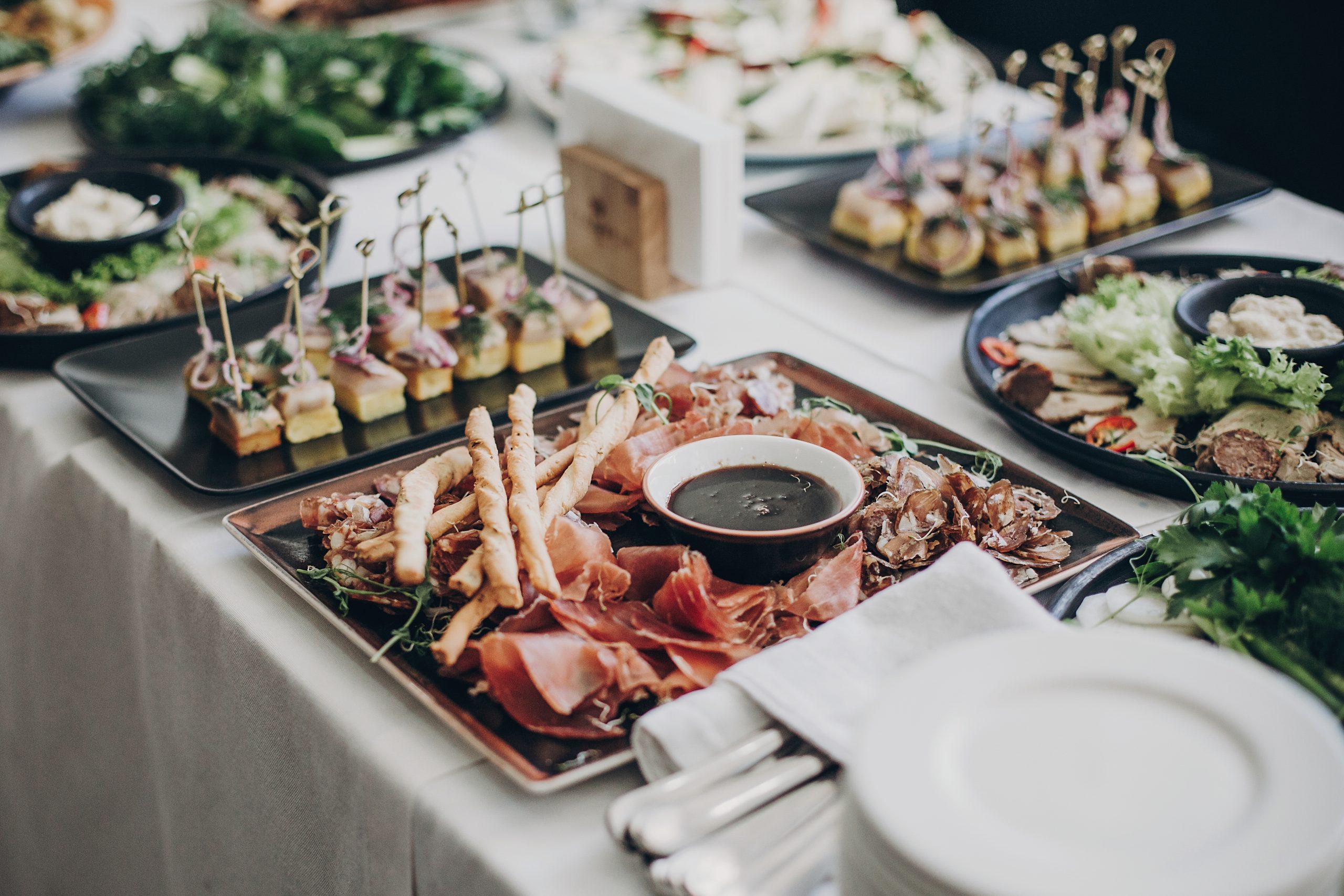
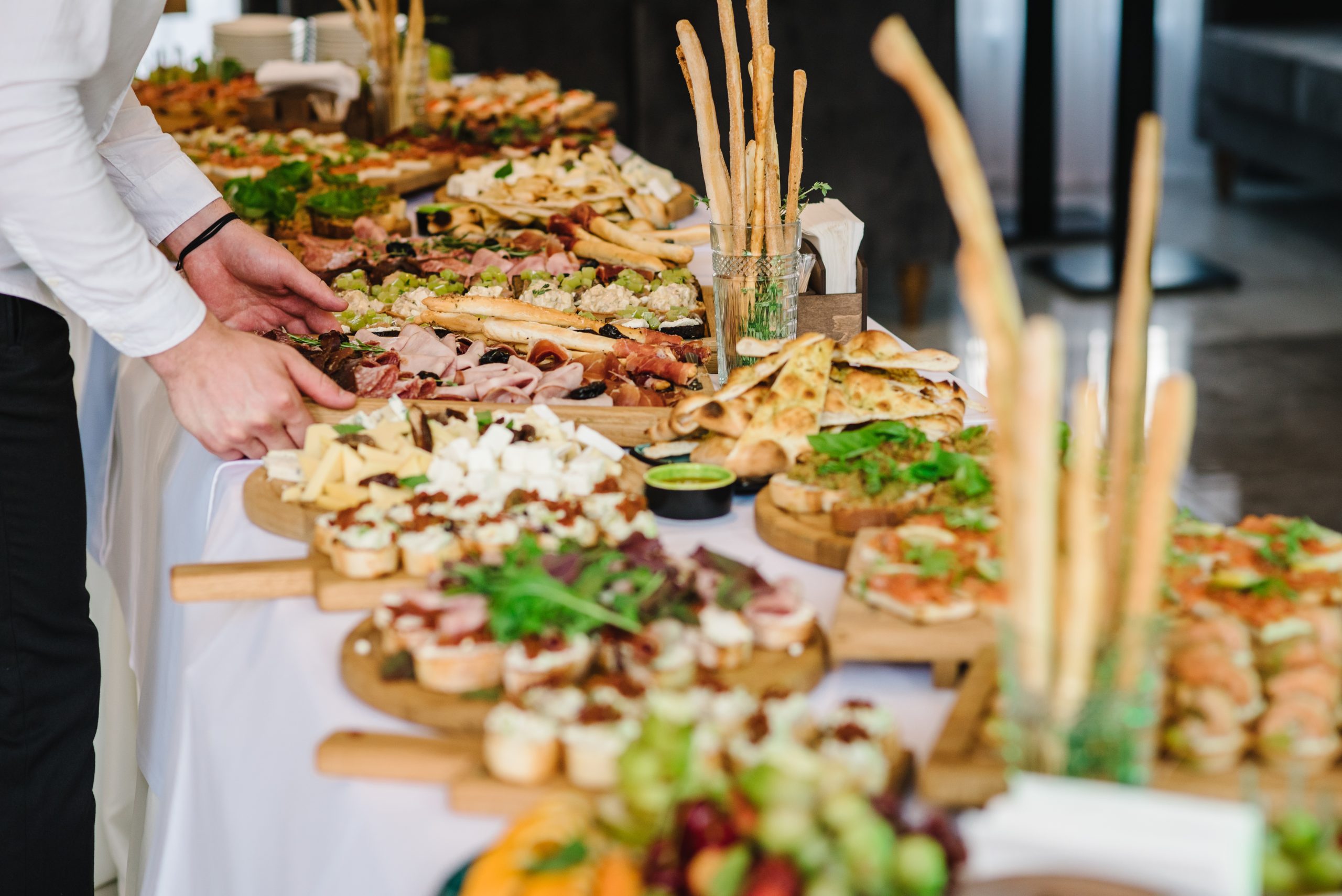
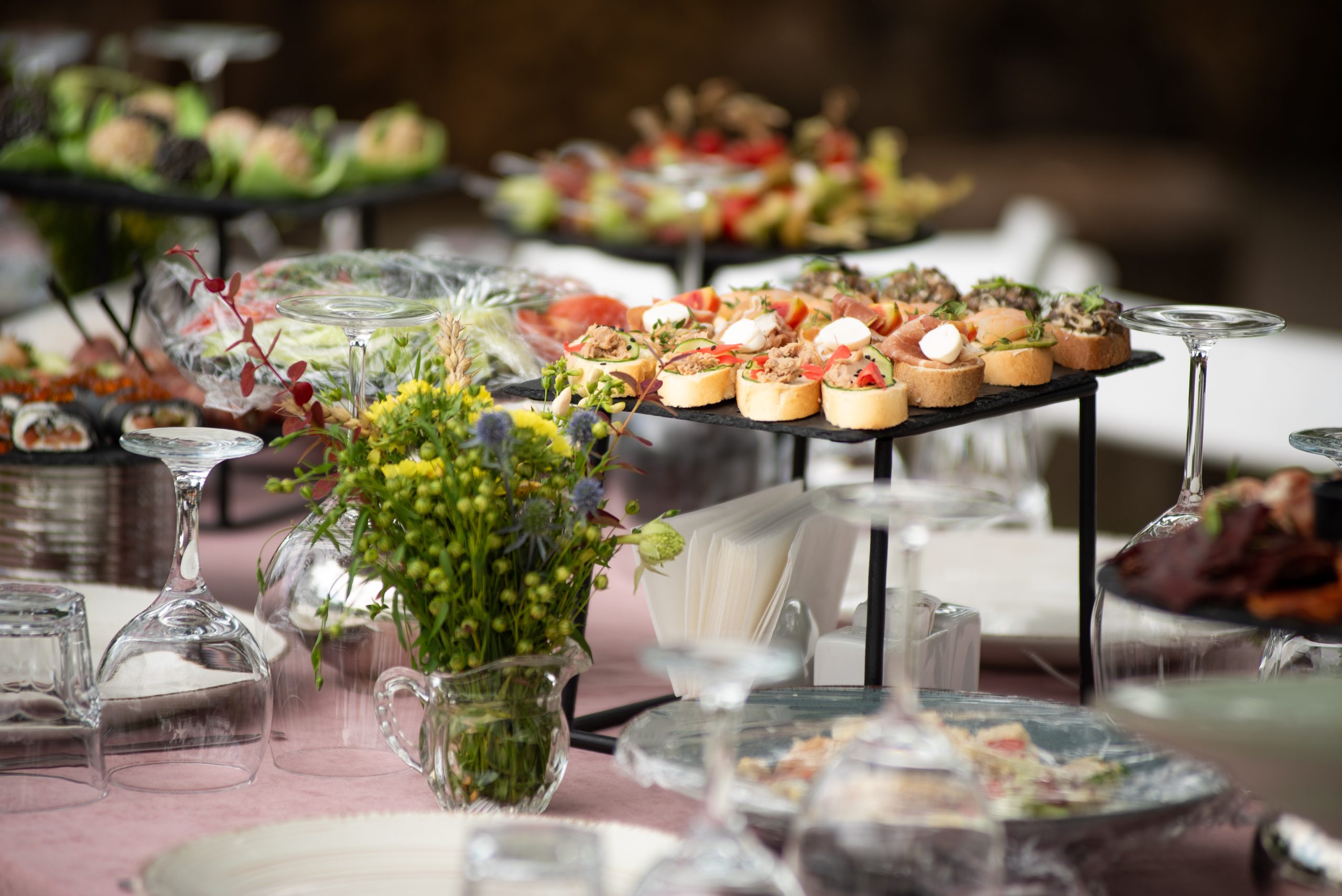
Skip expensive décor by letting your food presentation shine. Grazing tables, charcuterie boards, colorful salads, and fruit platters naturally enhance the visual appeal of your event. Wooden boards, tiered trays, and white platters can elevate the aesthetic without extra cost.
11. Ask for Help
For small to mid-sized events, recruit friends or family to help manage food stations, drinks, or desserts. Hiring staff is not always necessary, and having extra hands can make service smooth while keeping costs low.
Final Thoughts
Affordable catering is about planning, prioritization, and creativity. By strategically designing your menu, choosing cost-effective ingredients, embracing DIY elements, and presenting food thoughtfully, you can host an event that looks polished and tastes delicious without overspending.
Remember, guests care most about good flavors, thoughtful presentation, and a warm atmosphere—not extravagant menus. With these tips, you can create memorable events that are both budget-friendly and enjoyable for everyone.