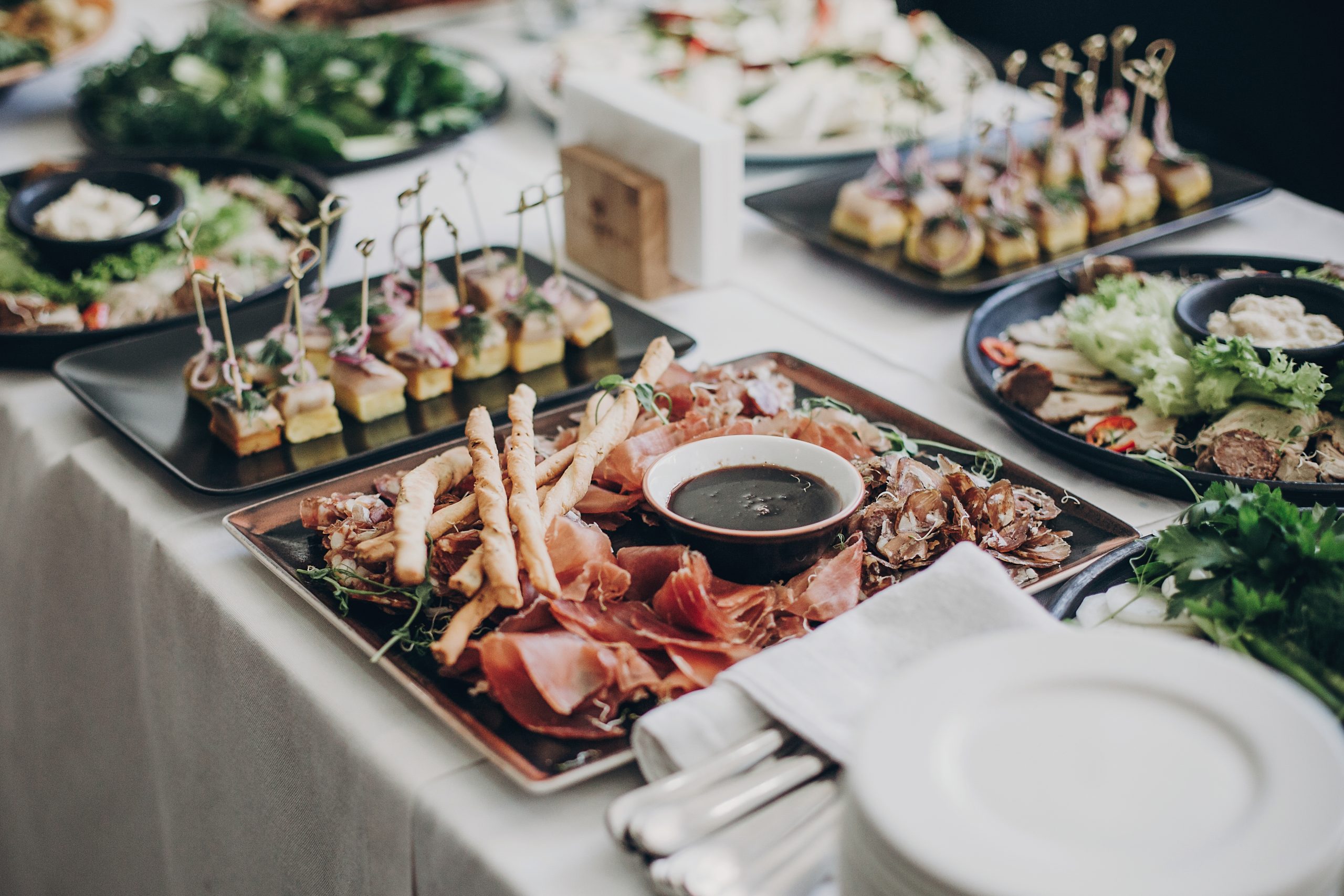



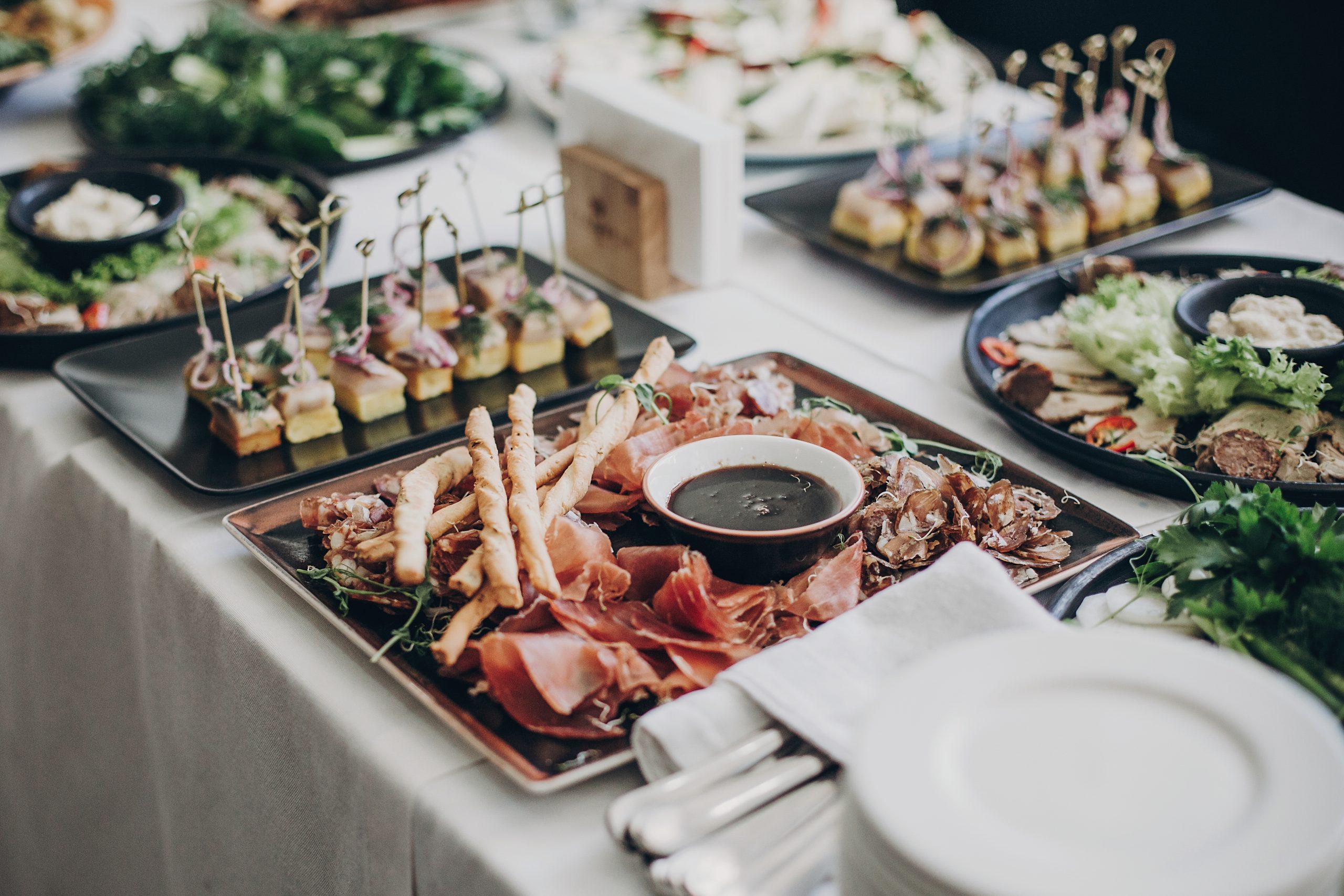





Hosting an event at home can be a warm and personal way to celebrate milestones, gatherings, or special occasions in Chicago. While home events provide comfort and intimacy, planning catering for them requires careful thought to balance convenience, quality, and presentation. Whether you’re hosting a birthday, anniversary, family reunion, or casual dinner party, professional catering can transform your home event into a seamless and memorable experience. Here’s a step-by-step guide on how to plan catering for home events.
1. Determine Your Guest List and Event Type
The first step in planning home event catering is understanding the size and type of event. The guest list directly influences the menu, portion sizes, and catering style. Intimate gatherings of 10–20 people may benefit from plated meals or family-style service, while larger groups might require buffet setups or takeaway platters. Knowing the nature of your event—formal dinner, casual brunch, or cocktail party—helps determine what catering style will best suit your home space and event goals.
2. Set a Budget for Catering
Before contacting caterers, establish a budget for food, beverages, and additional services. Home events often have hidden costs such as rentals for tables, chairs, or serving equipment. Setting a clear budget allows you to communicate expectations with your caterer and avoid overspending. Allocate funds based on priorities, such as quality of food, dessert, or beverage options.
3. Choose the Right Catering Style
Selecting the appropriate catering style is crucial for home events:
-
Buffet Style: Ideal for casual or larger gatherings, allowing guests to serve themselves and choose from a variety of dishes.
-
Plated Service: Suitable for formal dinners, where dishes are individually served, creating a refined dining experience.
-
Family-Style: Platters of food are shared among guests, perfect for intimate, communal meals.
-
Finger Foods & Appetizers: Great for mingling events or cocktail parties, minimizing the need for formal seating.
The size of your home and the nature of the event will guide which style works best.
4. Plan a Balanced Menu
A well-balanced menu ensures that guests enjoy a variety of flavors and textures. Include:
-
Appetizers and Finger Foods: Bite-sized snacks, fresh vegetables, or small sandwiches for casual gatherings.
-
Main Courses: Consider options that are easy to serve at home, such as roasted meats, pasta dishes, or casseroles.
-
Side Dishes: Fresh salads, roasted vegetables, or rice dishes complement main courses.
-
Desserts: Mini desserts, cakes, or fruit platters make the event festive and memorable.
-
Beverages: Coffee, tea, juices, and soft drinks for family gatherings; signature cocktails or mocktails for adults.
If guests have dietary restrictions, plan vegetarian, vegan, or gluten-free options. Professional caterers can help customize menus to accommodate these needs.
5. Consider Equipment and Space
Catering at home requires consideration of kitchen facilities, serving areas, and dining space. Ensure you have enough serving trays, utensils, plates, and glassware. For hot dishes, confirm that your kitchen or caterer can maintain temperature without compromising quality. If your home has limited space, buffet tables or portable serving stations can maximize efficiency and flow.
6. Schedule Delivery and Setup
Timing is key for home events. Coordinate with your caterer to ensure food is delivered fresh and on time. For hot meals, schedule delivery shortly before serving to maintain quality. Caterers can also assist with setup, plating, and serving, which reduces stress and allows you to focus on hosting.
7. Add Personal Touches
Home events provide the perfect opportunity to personalize catering. Consider:
-
Custom dessert decorations with the event theme or initials
-
Family recipes adapted for catering
-
Decorative platters or themed displays
These touches make the event feel thoughtful and memorable.
8. Communicate with Guests
Let guests know what to expect regarding menu and service. If the event involves self-serve stations, communicate this clearly. For plated meals, ask guests ahead about dietary preferences or restrictions. Clear communication ensures everyone enjoys the event comfortably.
9. Cleanup and Waste Management
Professional caterers often handle cleanup, which is a significant benefit for home events. Discuss waste management, leftover packaging, and equipment return with your caterer in advance. This allows you to enjoy the event without worrying about post-party chores.
10. Work with Experienced Home Event Caterers
Partnering with a caterer experienced in home events ensures smooth execution. Chicago caterers understand the challenges of serving at a residential space, from portion control to setup logistics. They provide expertise, equipment, and staff to elevate your home gathering, ensuring your event is stress-free and enjoyable.
Conclusion
Planning catering for home events in Chicago involves understanding your guest list, setting a budget, choosing the right style, creating a balanced menu, and coordinating logistics. Whether it’s a casual family gathering or a formal celebration, professional catering brings convenience, flavor, and sophistication to your home event. By working with experienced caterers and planning thoughtfully, hosts can focus on celebrating with guests while delivering a memorable and seamless dining experience.
Catering for home events combines personalization, quality, and ease, ensuring that your special occasion is enjoyable for both hosts and guests.