





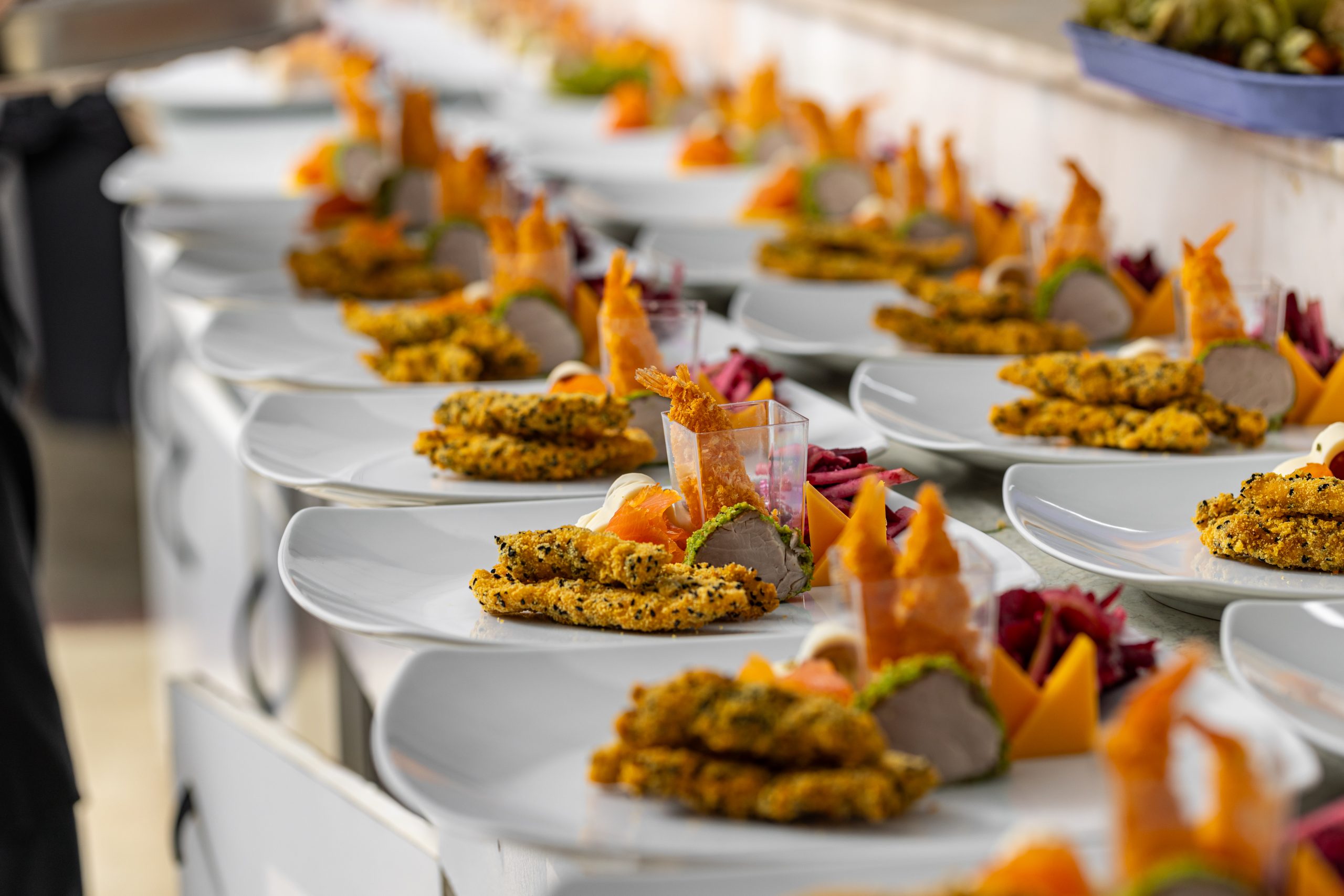
Choosing between buffet and plated wedding catering is one of the most important decisions couples in Chicago make when planning their big day. Both options offer unique advantages, and the right choice depends on your wedding style, guest preferences, budget, and dining experience goals. Understanding the differences between buffet and plated service will help you select the catering style that best fits your vision and ensures your guests leave satisfied.
1. Plated Wedding Catering: Elegance and Precision
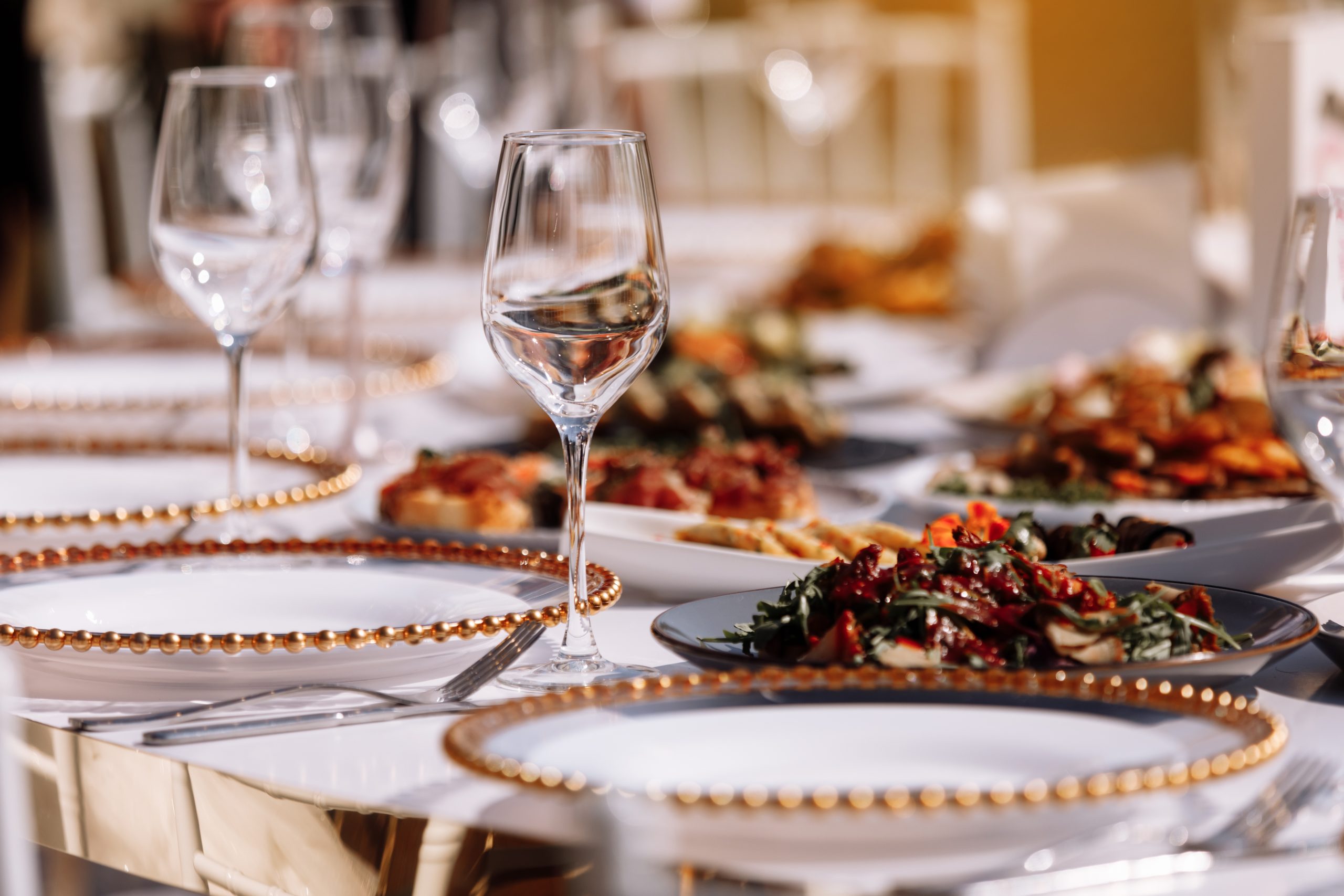
Plated dinners are the traditional, formal option for weddings. Each guest is served individually at their table, typically with multiple courses including appetizers, entrée, and dessert. Here are the benefits of choosing plated catering:
-
Sophisticated Presentation: Plated meals offer a polished, elegant experience. Each dish is carefully plated to impress guests visually and gastronomically.
-
Portion Control: Caterers control portions precisely, helping prevent food waste and ensuring all guests receive a consistent serving.
-
Customizable Options: Guests can often choose from a limited selection of entrees, allowing for dietary accommodations such as vegetarian, gluten-free, or seafood options.
-
Seamless Service Flow: Plated service allows for a structured dining timeline, making it easier to coordinate speeches, toasts, and entertainment.
Considerations: Plated meals typically require more staff and can be more expensive than buffet service. It also may limit guest choice compared to the variety offered in a buffet setting.
2. Buffet Wedding Catering: Variety and Flexibility
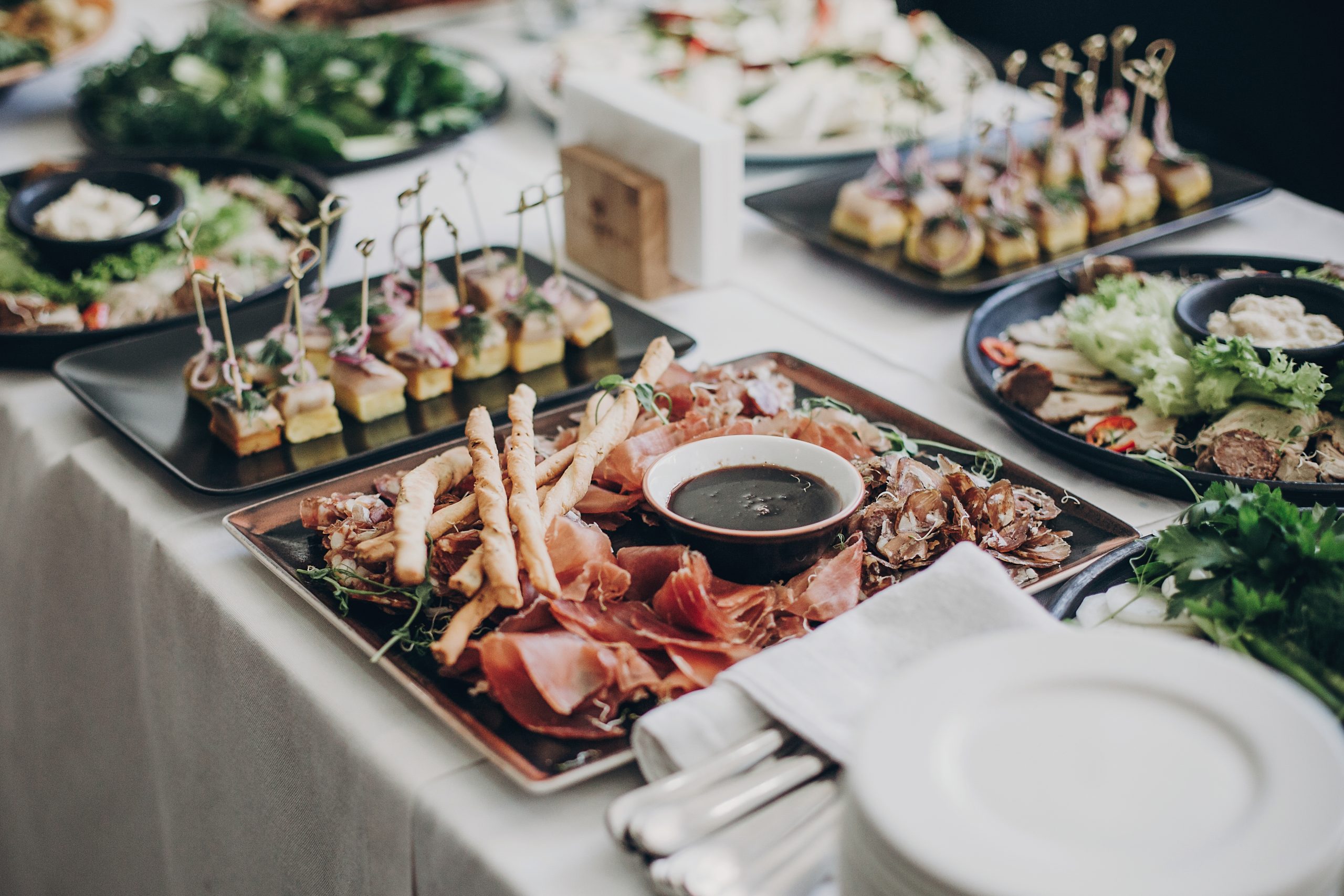
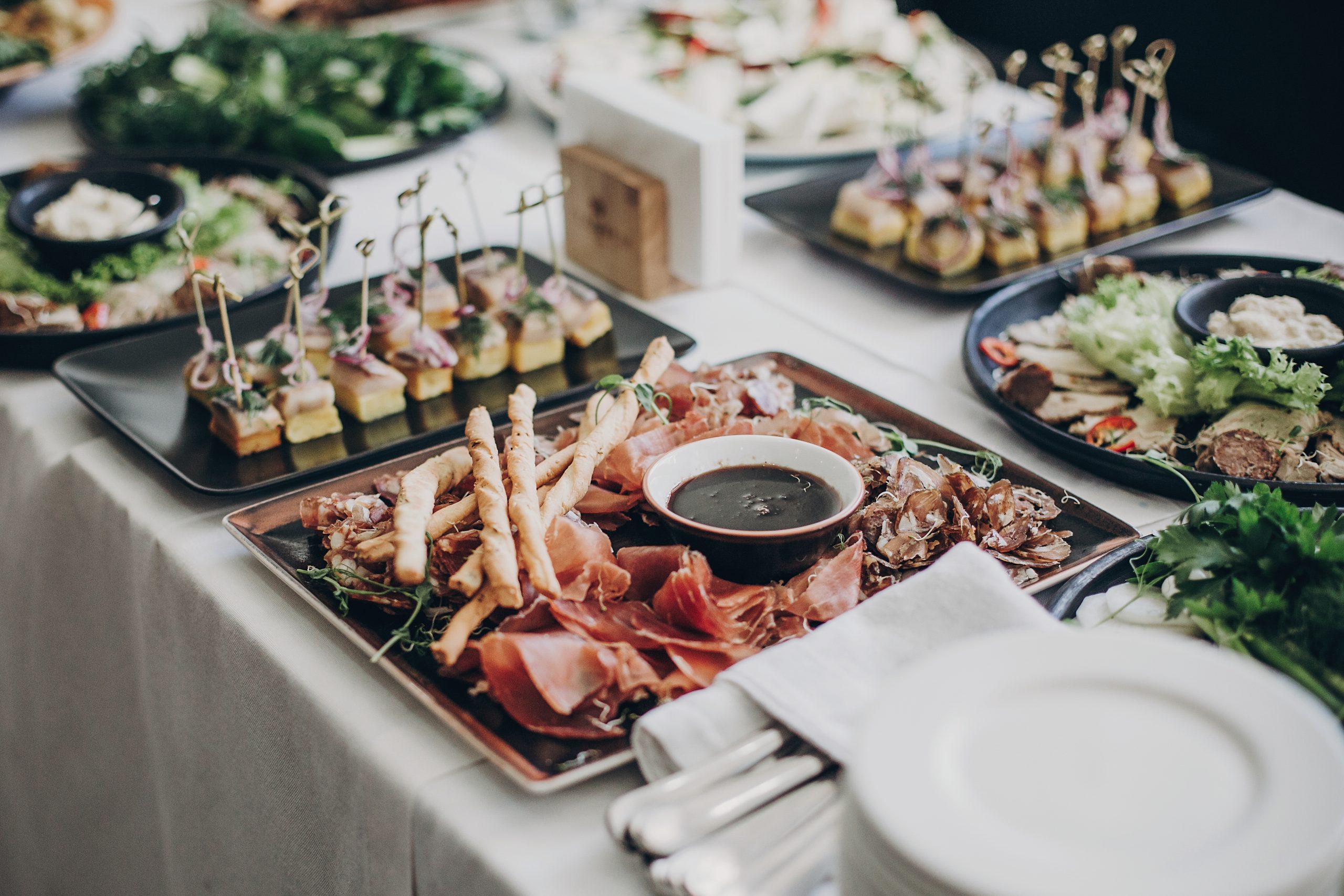
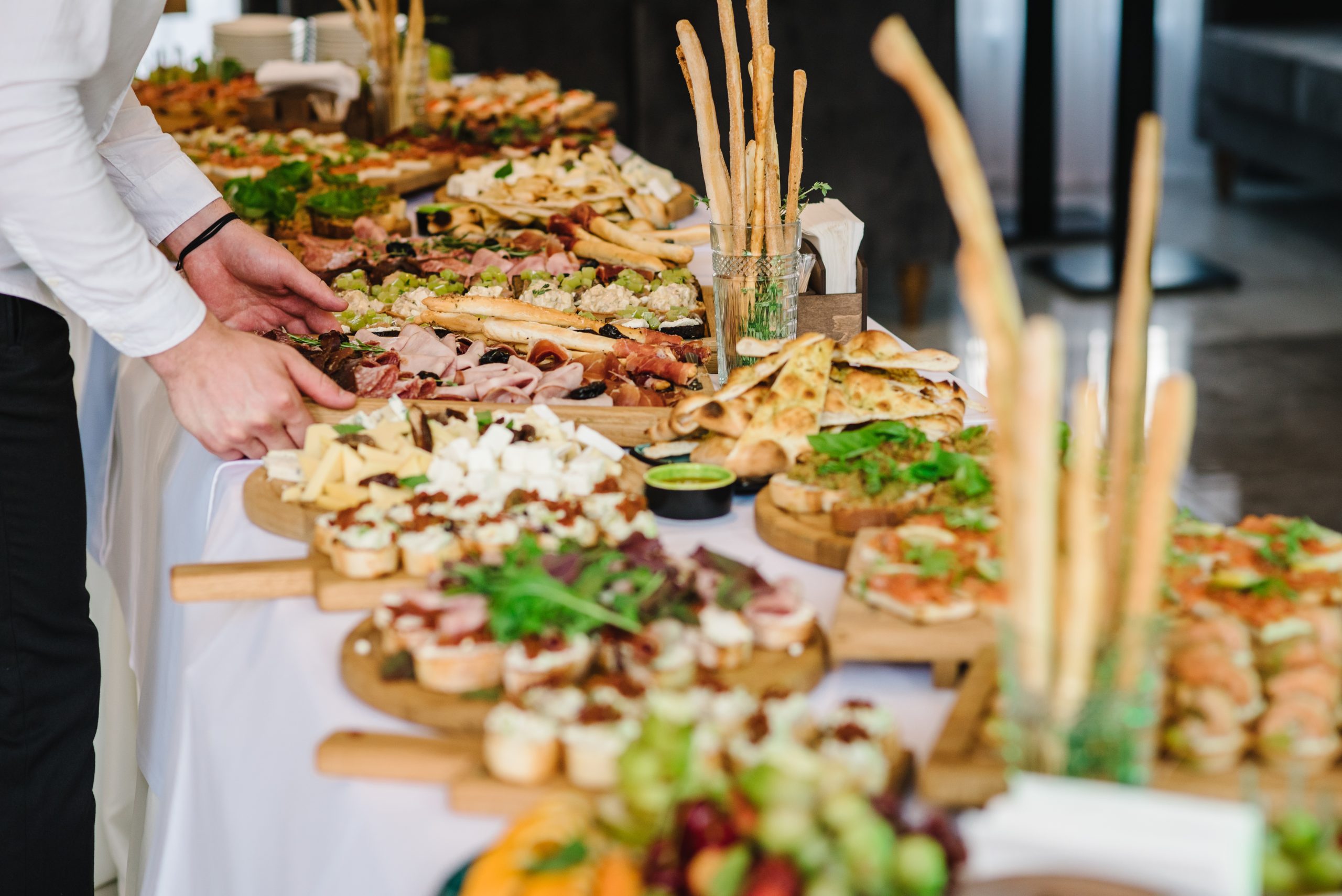
Buffet-style catering has grown in popularity among Chicago couples seeking a more relaxed, interactive dining experience. Guests serve themselves from a variety of dishes presented on tables or stations. Benefits include:
-
Variety of Choices: Buffets allow guests to choose from multiple dishes and customize portions according to their preferences.
-
Casual and Social: Buffet service encourages guests to mingle while selecting food, creating a lively, communal atmosphere.
-
Potential Cost Savings: Buffets can be more budget-friendly because they require fewer staff and allow flexibility in portion sizes.
-
Accommodates Large Groups Easily: Buffets are ideal for weddings with a high guest count, ensuring everyone can enjoy a variety of options efficiently.
Considerations: Buffets may lead to longer lines and require careful planning to ensure food remains fresh and replenished. Portion control can be challenging, sometimes resulting in food waste or guests taking larger servings.
3. Factors to Consider When Choosing Between Buffet and Plated
To decide which catering style is better for your wedding, consider these factors:
-
Guest Count: Plated service works best for smaller, formal weddings, while buffets accommodate larger events more efficiently.
-
Wedding Style and Atmosphere: For a formal, traditional wedding, plated meals are ideal. For casual, rustic, or interactive receptions, buffets offer a relaxed vibe.
-
Menu Complexity: Plated dinners are suitable for multi-course meals with intricate presentation, whereas buffets work well with simpler dishes served in larger quantities.
-
Budget: Buffets may be more cost-effective, especially for large weddings, as they require fewer staff and less detailed plating.
-
Dietary Restrictions: Both styles can accommodate dietary needs, but plated meals allow for better customization per guest.
4. Hybrid Options
Some couples choose a hybrid approach to combine the best of both worlds. For example, a plated entrée with buffet-style sides or dessert stations can offer elegance while providing variety and flexibility. Hybrid catering options allow couples to tailor the dining experience to their guests’ preferences and wedding theme.
5. Tips for a Successful Buffet or Plated Wedding
-
Plated: Clearly communicate entrée choices to guests ahead of time, and ensure your caterer is aware of dietary restrictions.
-
Buffet: Plan the flow of food stations to avoid long lines, and provide clear labeling for all dishes.
-
Both: Schedule enough time for guests to enjoy their meals, coordinate with staff for timely service, and incorporate seasonal, fresh ingredients for maximum flavor.
Conclusion
The choice between buffet and plated wedding catering depends on your priorities, wedding style, guest count, and budget. Plated meals offer elegance, portion control, and a structured experience, making them ideal for formal weddings. Buffets provide variety, flexibility, and a more social atmosphere, perfect for casual or larger gatherings. Chicago couples can also explore hybrid options to enjoy the benefits of both styles.
Ultimately, the best catering option is the one that aligns with your vision, satisfies your guests, and creates a memorable dining experience on your special day. Working with an experienced Chicago caterer can help you make the right choice and ensure your wedding menu is a highlight of the celebration.