






Plant-based catering is no longer just a niche option—it has become a popular choice for modern events in Chicago. From corporate gatherings and weddings to birthdays and family celebrations, plant-based menus are appreciated for their health benefits, sustainability, and vibrant flavors. Planning a successful plant-based catering menu requires careful attention to ingredients, flavor profiles, and presentation. Here’s a comprehensive guide to planning a plant-based menu that will delight every guest.
1. Understand Your Audience
Before designing a plant-based menu, it’s important to consider your guests’ preferences and dietary restrictions. While some may follow a vegan lifestyle, others may simply want lighter or healthier options. Including dishes that appeal to both plant-based eaters and non-vegans ensures everyone enjoys the meal. Surveys or RSVPs can help gauge dietary preferences, making menu planning more precise and inclusive.
2. Start with a Theme or Cuisine
Having a theme or selecting a specific cuisine helps unify a plant-based menu. Options could include Mediterranean, Asian, Latin American, or global fusion. A themed menu ensures cohesive flavors while allowing creativity. For example, an Asian-inspired plant-based menu could feature tofu stir-fries, vegetable dumplings, and miso soup, while a Mediterranean menu might include roasted vegetable platters, falafel, hummus, and grain salads.
3. Include Protein-Rich Dishes
One concern guests often have with plant-based catering is whether the meal will be filling. Including protein-rich ingredients is essential. Lentils, chickpeas, tofu, tempeh, edamame, beans, and quinoa can create hearty, satisfying dishes. Examples include chickpea curries, tempeh stir-fries, lentil stews, and tofu skewers. Protein-packed dishes ensure guests feel nourished and energized throughout the event.
4. Offer a Mix of Appetizers, Main Courses, and Sides
A well-rounded plant-based menu balances appetizers, mains, and sides. Some ideas include:
-
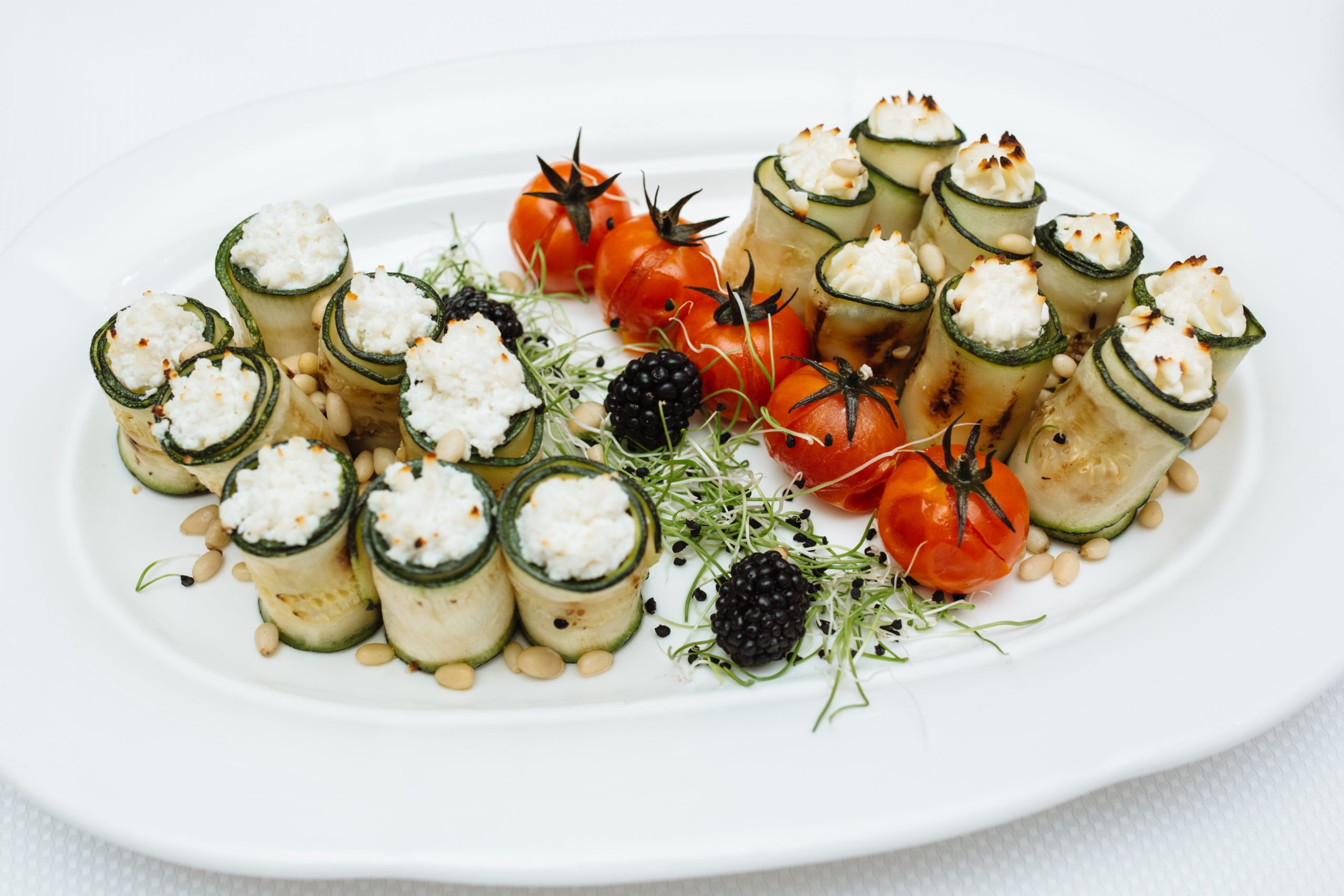
Appetizers: Stuffed mushrooms, vegetable spring rolls, vegan sliders, roasted vegetable skewers
-
Main Courses: Plant-based pasta dishes, grain bowls, curries, veggie lasagna, stuffed bell peppers
-
Sides: Roasted vegetables, salads, quinoa or couscous dishes, vegan mac and cheese
Providing a variety of dishes ensures guests can enjoy a complete and satisfying meal.
5. Embrace Bold Flavors and Textures
Plant-based meals can be as exciting and flavorful as any traditional menu. Incorporate bold spices, marinades, herbs, and sauces to enhance taste. Consider textures as well—combine creamy, crispy, roasted, and fresh elements to create depth. For example, a crunchy chickpea topping on a creamy grain bowl adds both flavor and texture.
6. Include Interactive Stations
Interactive stations are a fun and engaging way to serve plant-based dishes. Guests can customize their meals according to taste and dietary needs. Popular station ideas include:
-
Build-your-own grain or Buddha bowls with vegetables, legumes, sauces, and toppings
-
DIY taco bars with plant-based fillings
-
Salad bars with fresh greens, roasted vegetables, nuts, seeds, and dressings
These stations create a social, hands-on experience and allow guests to enjoy exactly what they like.
7. Incorporate Seasonal and Local Ingredients
Seasonal ingredients are fresher, more flavorful, and visually appealing. Using locally sourced produce not only supports sustainability but also adds a premium touch to your catering menu. Seasonal vegetables, fruits, grains, and herbs allow caterers to create dishes that are both beautiful and delicious, while highlighting Chicago’s culinary diversity.
8. Consider Desserts and Beverages
A plant-based menu is not complete without indulgent desserts. Options include vegan chocolate mousse, fruit tarts, coconut-based desserts, brownies, or cupcakes. Pairing dishes with complementary beverages—such as infused waters, juices, teas, or plant-based milk-based beverages—enhances the overall dining experience and reinforces the plant-based theme.
9. Presentation is Key
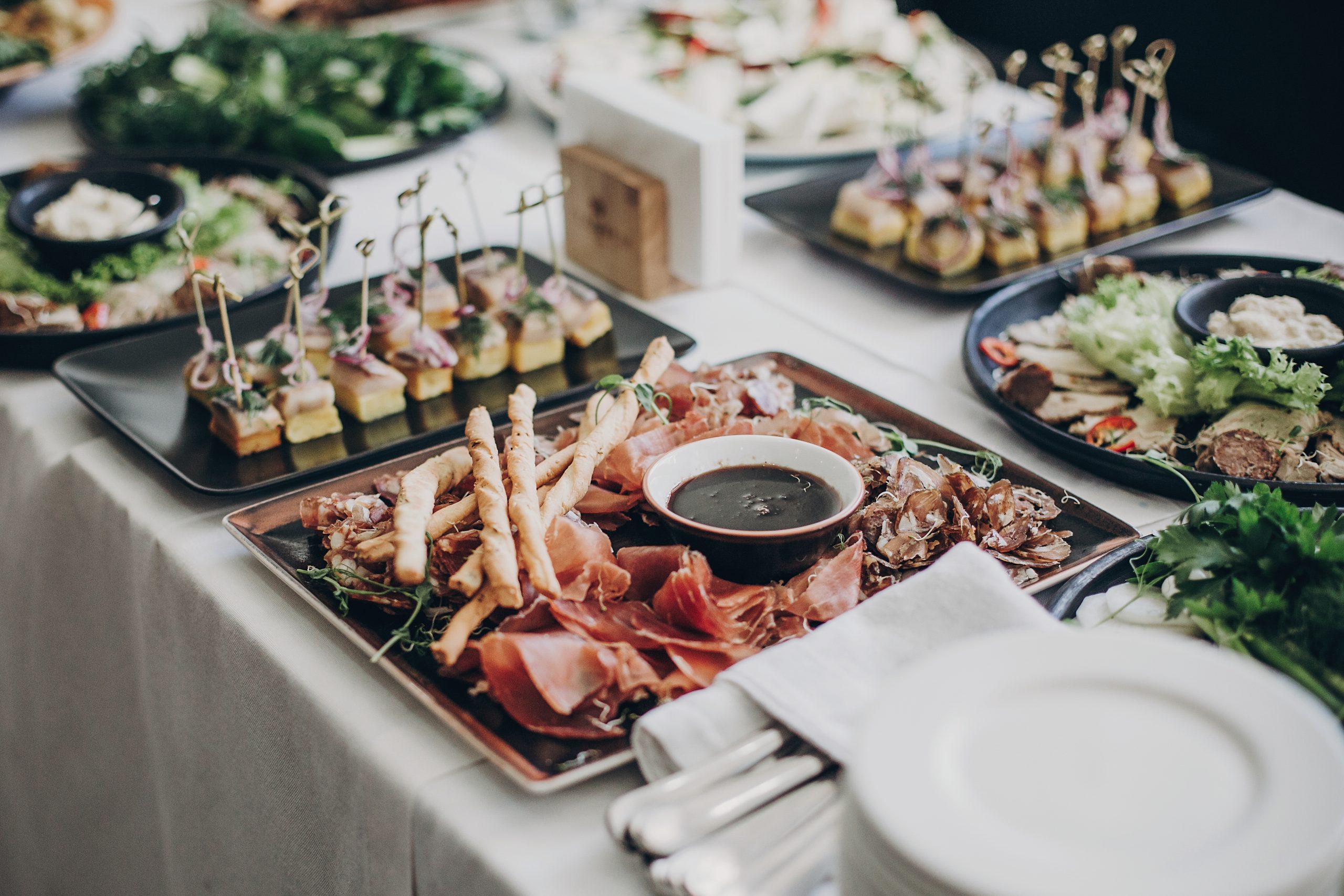
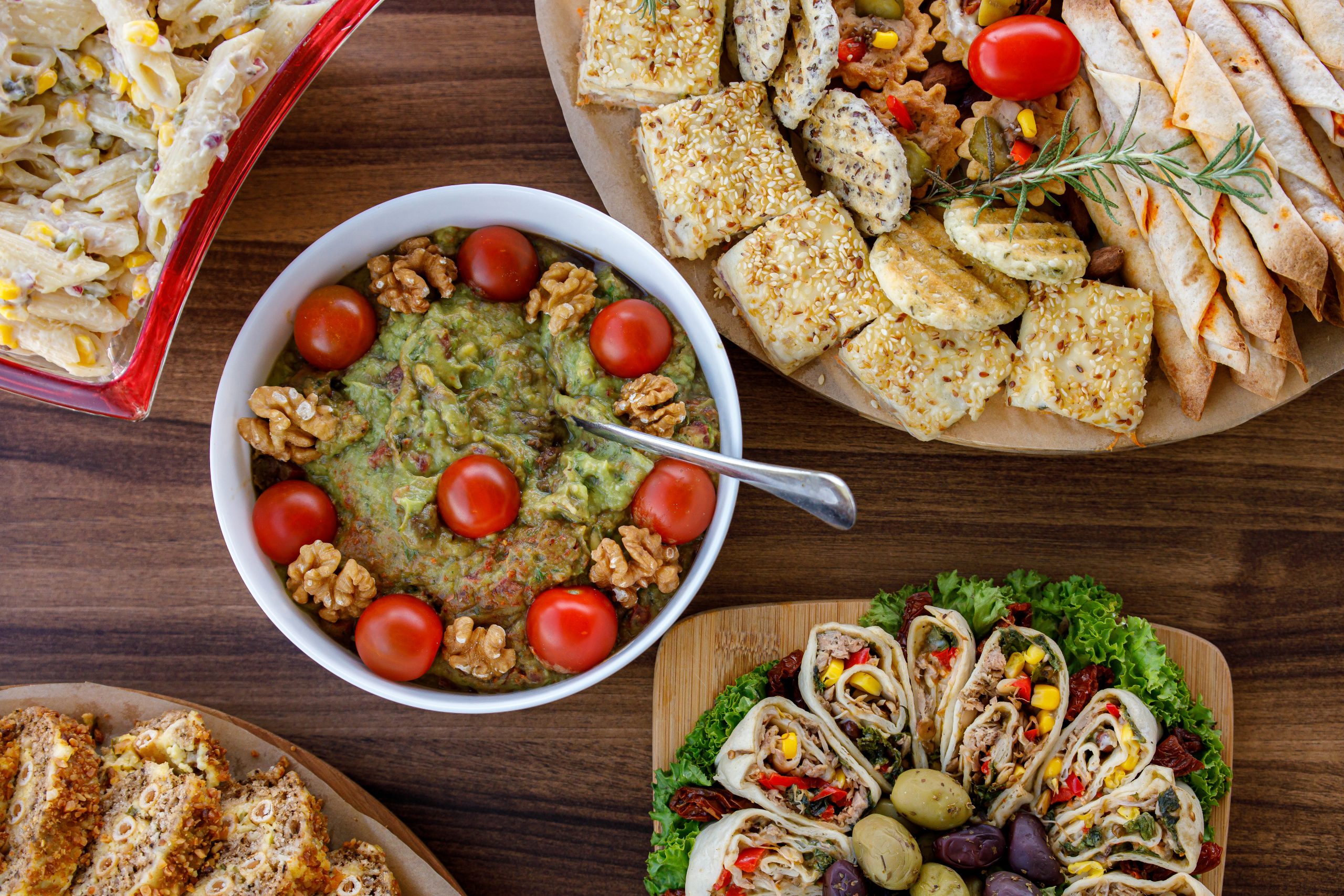
Plant-based catering often shines through presentation. Use colorful platters, bowls, and garnishes to make the dishes visually appealing. Vibrant vegetables, fresh herbs, and thoughtful plating elevate the menu and encourage guests to try new items. For buffet-style events, attractive display arrangements make the experience more inviting and professional.
10. Work with Experienced Caterers
Partnering with caterers experienced in plant-based cuisine ensures success. Professional caterers can create balanced, flavorful, and innovative menus while handling logistics, setup, and service. They understand ingredient combinations, portion sizes, and presentation, guaranteeing that every guest enjoys a delicious and satisfying experience.
Conclusion
Planning a plant-based catering menu for events in Chicago requires thoughtful attention to flavors, textures, ingredients, and presentation. By offering protein-rich dishes, creative appetizers, main courses, sides, interactive stations, and indulgent desserts, hosts can provide a complete and satisfying plant-based dining experience.
With the guidance of experienced caterers, plant-based menus can impress guests of all dietary preferences, including meat lovers, ensuring that every event is both delicious and memorable. Thoughtful planning and execution make plant-based catering a sophisticated and inclusive choice for modern events.