



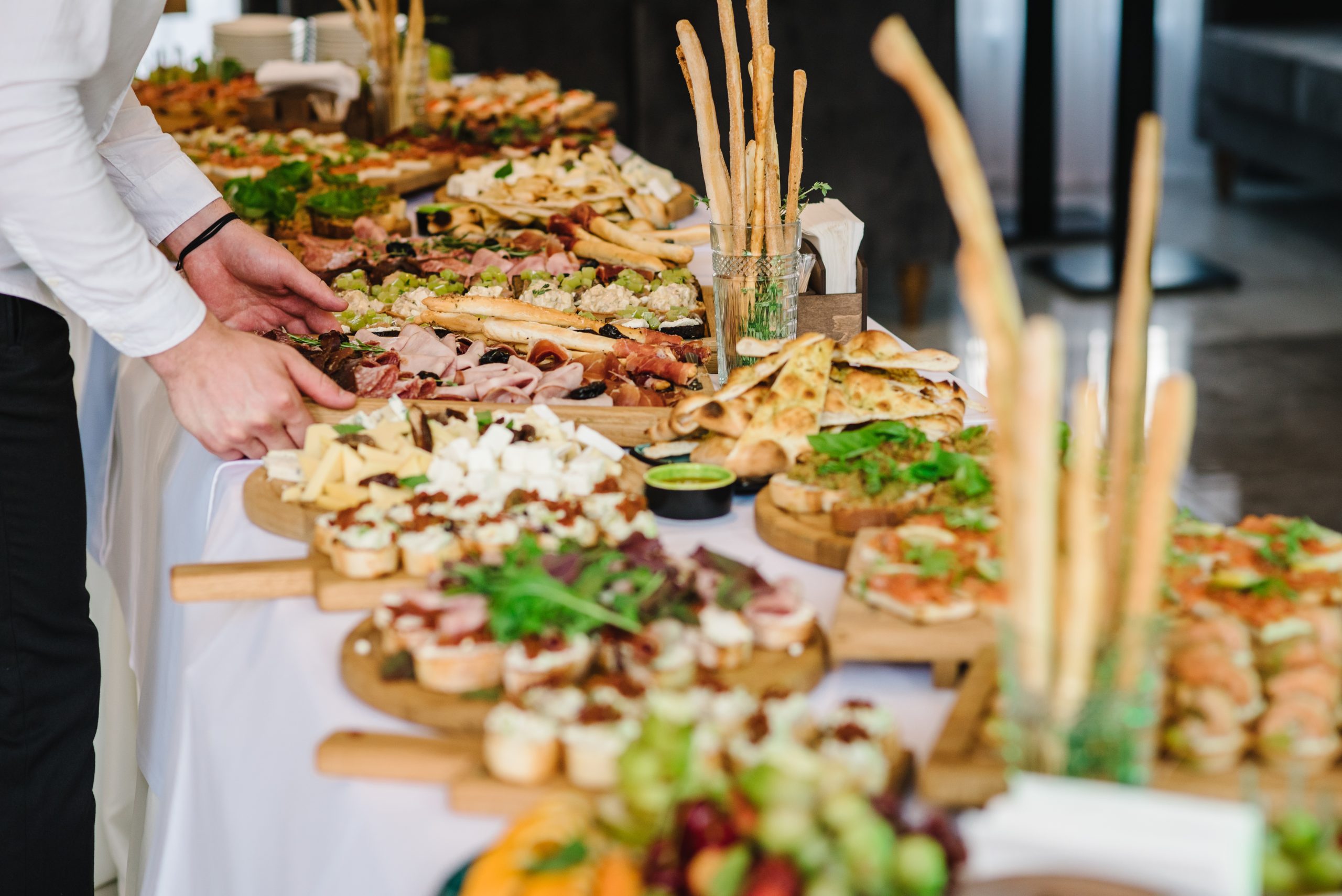


When planning an event, the venue plays a central role not only in hosting guests but also in shaping catering options. Venue rules and restrictions can significantly influence menu selections, service styles, equipment choices, and overall event logistics. Understanding how venue policies affect catering decisions is essential for hosts in Chicago to ensure a seamless and enjoyable experience. Here’s a detailed guide on how venue rules can affect your catering choices.
1. Restrictions on External Catering
Some venues have exclusive agreements with preferred caterers or in-house catering services. This means:
-
Hosts may be required to use the venue’s designated caterers.
-
Outside caterers may not be allowed, limiting flexibility in menu choices.
-
Packages from the venue may include set menus, beverage options, or service styles.
It’s crucial to confirm these rules early when booking a venue. If you have a preferred caterer, check whether the venue allows exceptions or partnerships. This affects how you plan the menu and allocate your budget.
2. Food and Beverage Policies
Venues often have specific rules regarding the types of food and beverages served:
-
Alcohol policies: Some venues prohibit outside alcohol or require a licensed bartender. Others may have corkage fees.
-
Menu limitations: Certain venues may restrict cooking methods, prohibit open flames, or ban specific ingredients due to fire or health regulations.
-
Dessert or specialty items: Venues may allow cakes or desserts only from approved vendors.
These policies influence your catering choices, from menu selection to the type of service you can provide. Early coordination ensures compliance without compromising quality or creativity.
3. Kitchen Access and Facilities
The availability and quality of kitchen facilities at a venue directly impact catering options:
-
Venues with full-service kitchens allow caterers to prepare hot and plated meals on-site.
-
Limited or no kitchen access may require caterers to prepare food off-site and transport it, influencing menu items that can withstand travel.
-
Refrigeration, storage, and warming equipment provided by the venue affect how dishes are presented and served.
Caterers need to adjust their approach based on available kitchen resources, which can determine whether you opt for buffet service, plated courses, or pre-packaged meals.
4. Space and Layout Limitations
Venue rules may dictate how food stations, buffets, or dining areas are arranged:
-
Some venues restrict the number or size of tables, impacting buffet layouts.
-
Space constraints may limit interactive stations, carving stations, or beverage bars.
-
Emergency exits and fire codes may affect where equipment or service areas are set up.
These limitations influence catering design, presentation, and guest flow, ensuring safety and accessibility while maximizing visual appeal.
5. Noise and Entertainment Regulations
Certain venues enforce rules on music, announcements, or live entertainment. These regulations can indirectly affect catering:
-
Timing of courses may need to align with entertainment schedules.
-
Interactive stations may need to be positioned away from high-traffic areas to prevent congestion.
-
Staff communication and service cues may require adjustments due to noise restrictions.
Caterers must coordinate with venue rules to maintain smooth service and a pleasant guest experience.
6. Outdoor and Environmental Restrictions
For outdoor venues, rules regarding tents, open flames, grills, and trash disposal can affect catering choices:
-
Some venues may prohibit propane or charcoal grills, requiring electric cooking equipment.
-
Rules about waste disposal, composting, or recycling may dictate the type of disposable or reusable serving ware.
-
Restrictions on tents or structures affect food station placement and guest comfort.
Caterers must adapt menus, equipment, and service setups to comply with these regulations while maintaining food quality and presentation.
7. Timing and Setup Rules
Venues often have strict timelines for access, setup, and cleanup:
-
Limited setup time can impact how elaborate your catering stations are.
-
Some venues restrict when food can be served, affecting menu timing and preparation.
-
Cleanup rules may require caterers to remove equipment quickly or handle trash disposal in specific ways.
Understanding these rules in advance allows for efficient planning and ensures that service runs smoothly without violating venue policies.
8. Safety and Health Regulations
Venues may enforce safety and health protocols, including:
-
Handwashing stations for staff
-
Temperature control for hot and cold foods
-
Restrictions on self-service items due to contamination concerns
Compliance with these regulations ensures guest safety and can affect the choice of dishes, portion sizes, and service methods.
9. Coordination With Caterers
A key step in navigating venue rules is clear communication with your caterer:
-
Share the venue’s policies early in the planning process.
-
Discuss adjustments needed for equipment, menu, or service style.
-
Ensure caterers can comply without compromising quality, presentation, or guest experience.
Experienced caterers in Chicago are skilled at adapting to venue rules, ensuring your event remains seamless and enjoyable.
Conclusion
Venue rules play a crucial role in shaping catering choices. From restrictions on external caterers and menu limitations to kitchen access, space constraints, and safety regulations, every policy can affect how food is prepared, presented, and served. Early coordination between the host, venue, and caterer ensures compliance while maintaining quality and style.
Understanding these factors allows hosts to make informed decisions, select appropriate menus, plan layouts, and ensure smooth service. By considering venue rules in the catering planning process, Chicago hosts can create a memorable event with delicious food, professional service, and a flawless guest experience.