

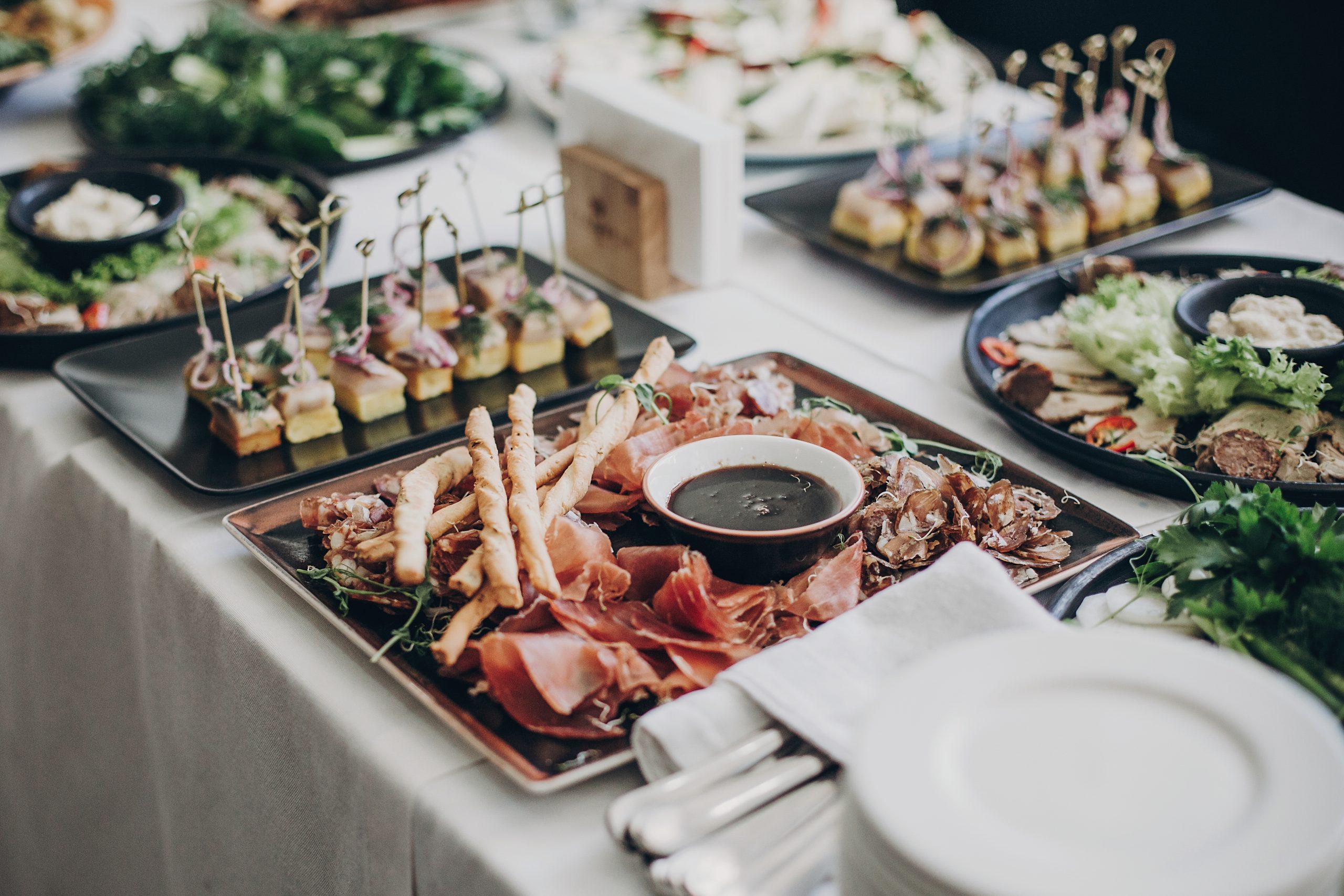


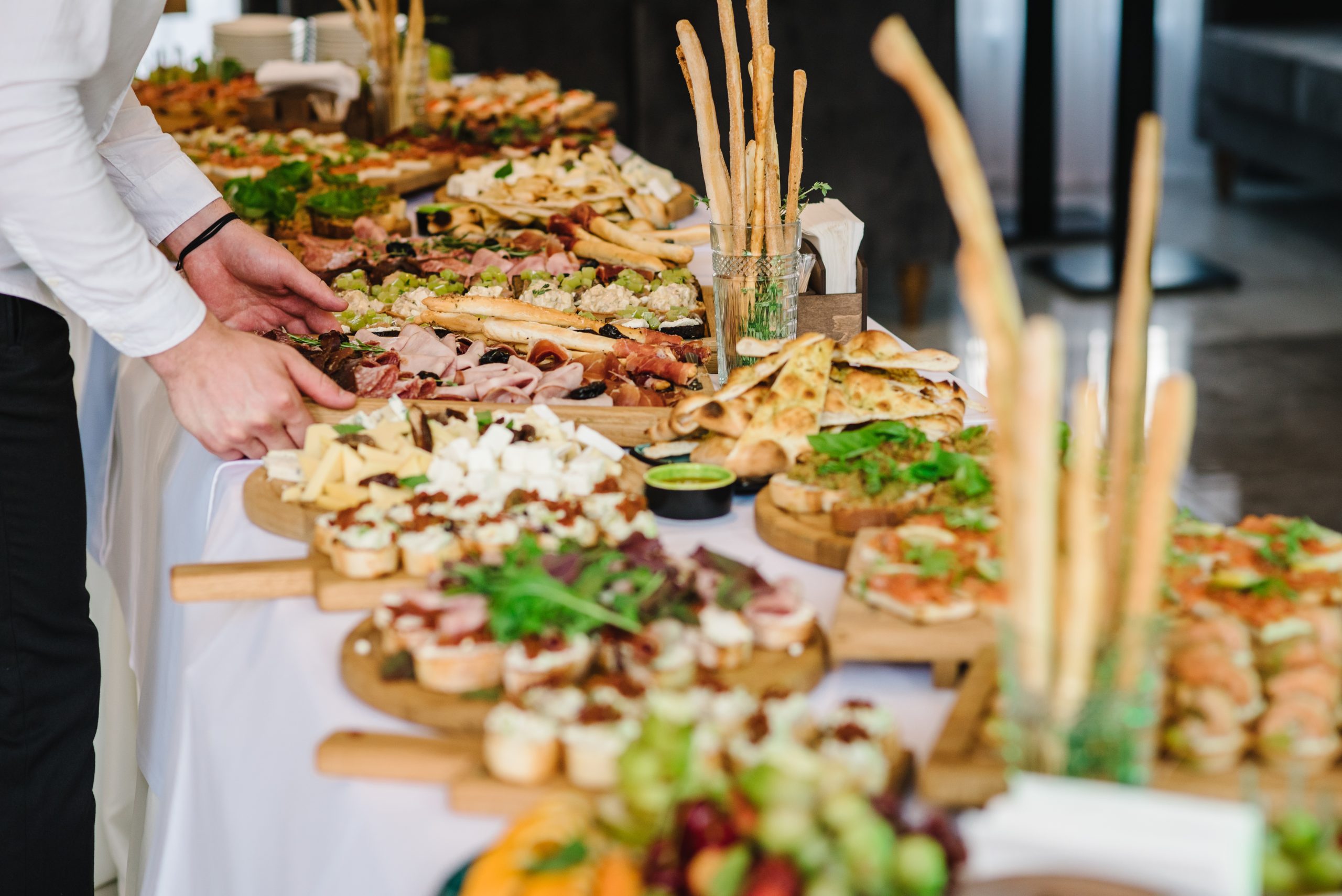

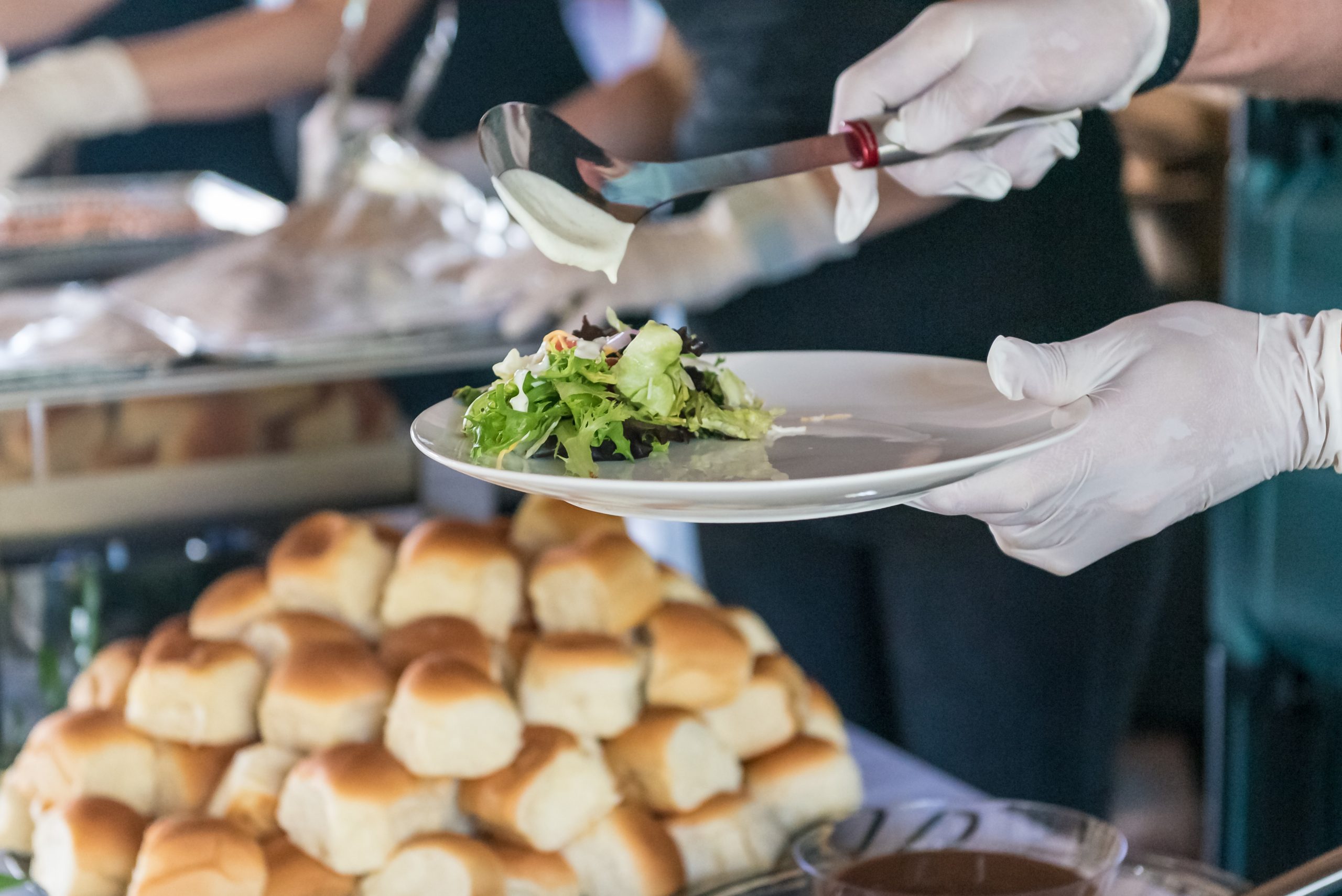
Food allergies are a serious concern when planning any catered event. From weddings and corporate events to birthday parties and family gatherings, failing to accommodate guests with allergies can result in discomfort, health risks, and a negative impression. In Chicago, where event guests may have diverse dietary needs, understanding how to handle food allergies is essential for professional and safe catering. Here’s a detailed guide on managing food allergies effectively at catering events.
1. Collect Detailed Guest Information
The first step in handling food allergies is gathering accurate information from your guests.
-
Include dietary restrictions in RSVP forms.
-
Ask specifically about common allergens such as nuts, dairy, gluten, shellfish, soy, and eggs.
-
Encourage guests to share any less common or severe allergies.
Collecting this information early ensures your caterer can plan a menu that accommodates everyone without last-minute surprises.
2. Work Closely With Your Caterer
Professional caterers in Chicago are experienced in managing food allergies. Key steps include:
-
Communicate all dietary restrictions clearly.
-
Discuss possible substitutions for common allergens.
-
Review ingredient lists and cooking methods to prevent cross-contamination.
A caterer who understands the seriousness of food allergies can help design a safe and inclusive menu while maintaining quality and flavor.
3. Plan a Separate Allergy-Friendly Menu
For guests with severe allergies, consider preparing separate dishes to avoid cross-contact:
-
Designate an allergen-free section of the buffet or separate plates for plated service.
-
Use ingredients that are naturally free of common allergens.
-
Label allergy-friendly dishes clearly to prevent confusion.
By planning a separate menu, you demonstrate consideration for your guests’ health and provide peace of mind.
4. Avoid Cross-Contamination
Cross-contamination is a major risk in catering. Prevent it by:
-
Using separate cutting boards, utensils, and cookware for allergen-free dishes.
-
Storing allergen-free ingredients separately from other food items.
-
Training staff to handle allergen-free meals carefully and avoid accidental exposure.
Even trace amounts of allergens can trigger reactions, so attention to detail is critical.
5. Label Foods Clearly
Proper labeling ensures guests can identify safe options quickly and confidently:
-
Use signage for buffets or food stations indicating allergens.
-
Include ingredient lists when serving plated meals or desserts.
-
Highlight common allergens such as nuts, dairy, gluten, shellfish, and soy.
Clear labeling reduces confusion, minimizes risk, and helps guests feel comfortable.
6. Train Staff to Respond to Allergies
Event staff play a key role in allergy management:
-
Train servers to recognize allergen-free dishes and respond accurately to guest questions.
-
Educate staff about cross-contamination risks and proper handling procedures.
-
Ensure that catering staff know how to respond in case of an allergic reaction, including having emergency contacts and medical protocols in place.
Knowledgeable staff create a safer dining experience and reduce the risk of incidents.
7. Communicate With Guests
Transparency with guests is essential:
-
Make sure guests know which dishes contain allergens.
-
Reassure them that allergen-free options are available and safe.
-
Encourage open communication if they have concerns about any dishes.
Clear communication builds trust and demonstrates professionalism.
8. Include Allergy-Friendly Options in Your Menu
Modern catering emphasizes inclusivity. Consider:
-
Vegetarian, vegan, gluten-free, and nut-free options.
-
Dairy-free desserts or alternative milk options for beverages.
-
Customizable interactive stations, allowing guests to select ingredients safely.
By incorporating allergy-friendly options, you ensure everyone can enjoy the event without worry.
9. Prepare for Emergencies
Even with precautions, accidents can happen. Be ready by:
-
Keeping emergency contact information accessible.
-
Having first aid kits and medications like epinephrine available.
-
Ensuring staff know emergency procedures and local hospital locations.
Preparedness ensures quick response in case of a severe allergic reaction.
10. Create a Positive Guest Experience
Handling food allergies effectively demonstrates care and attention to detail. Guests who feel safe and considered are more likely to enjoy the event and leave with positive impressions. Proper allergy management is not just about safety—it also enhances professionalism and guest satisfaction.
Conclusion
Managing food allergies at catering events requires planning, communication, and attention to detail. By collecting dietary information, coordinating with your caterer, preparing separate allergy-friendly dishes, avoiding cross-contamination, labeling foods clearly, training staff, and planning for emergencies, you create a safe and inclusive environment for all guests.
In Chicago’s diverse event scene, catering that accommodates food allergies ensures that everyone can enjoy delicious meals without worry. Professional allergy management enhances the overall guest experience, demonstrates responsibility and care, and ensures that your event is both memorable and safe.