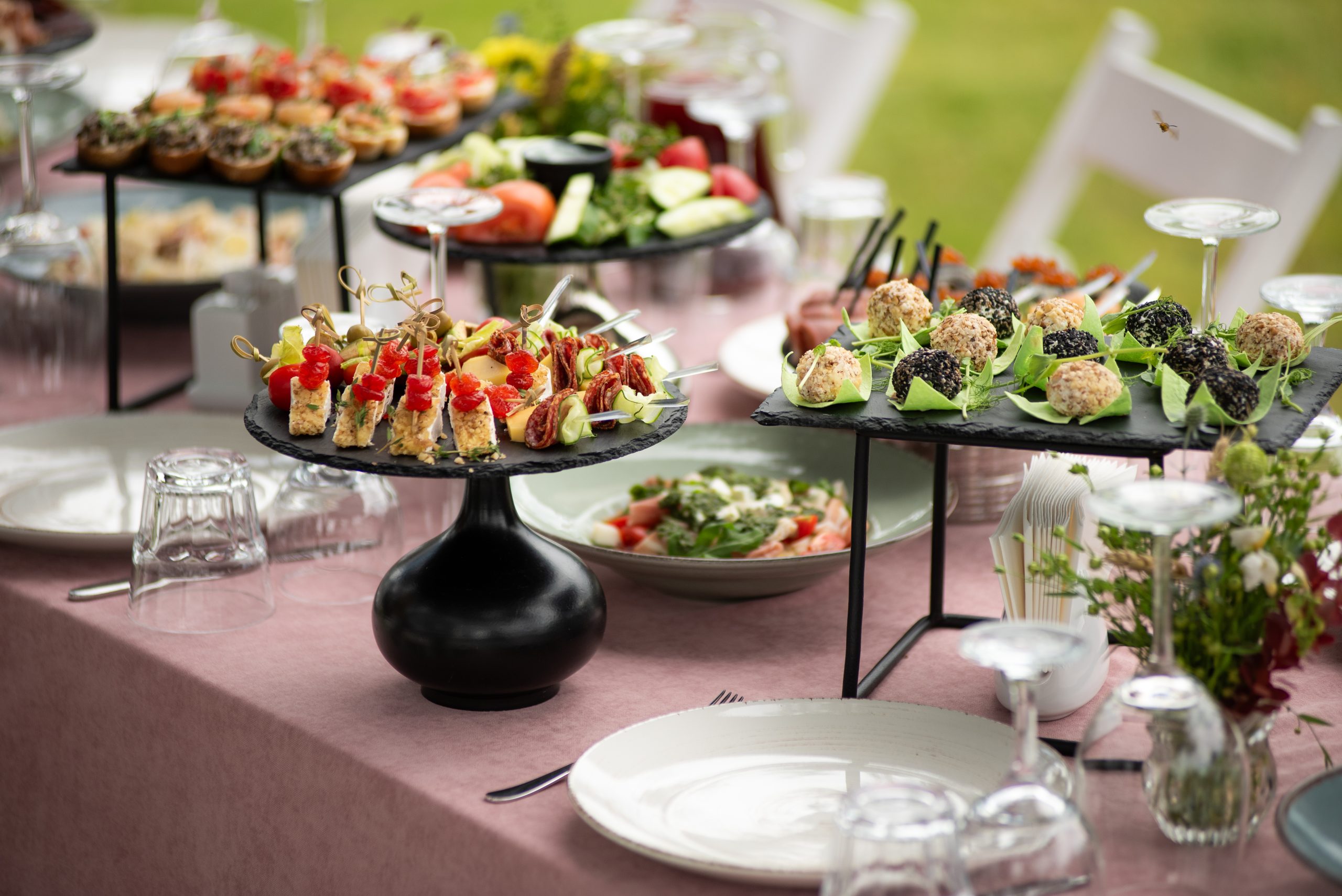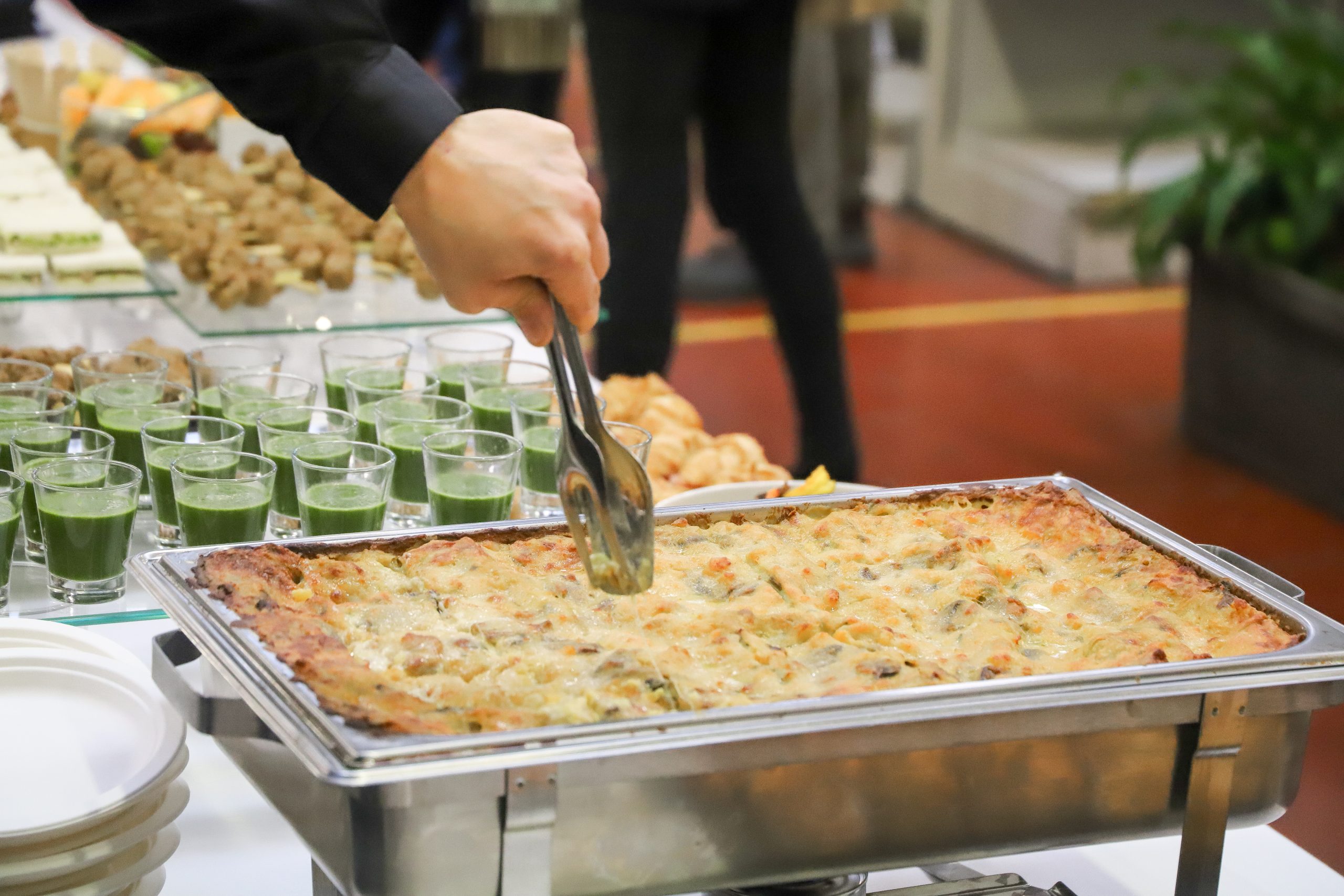


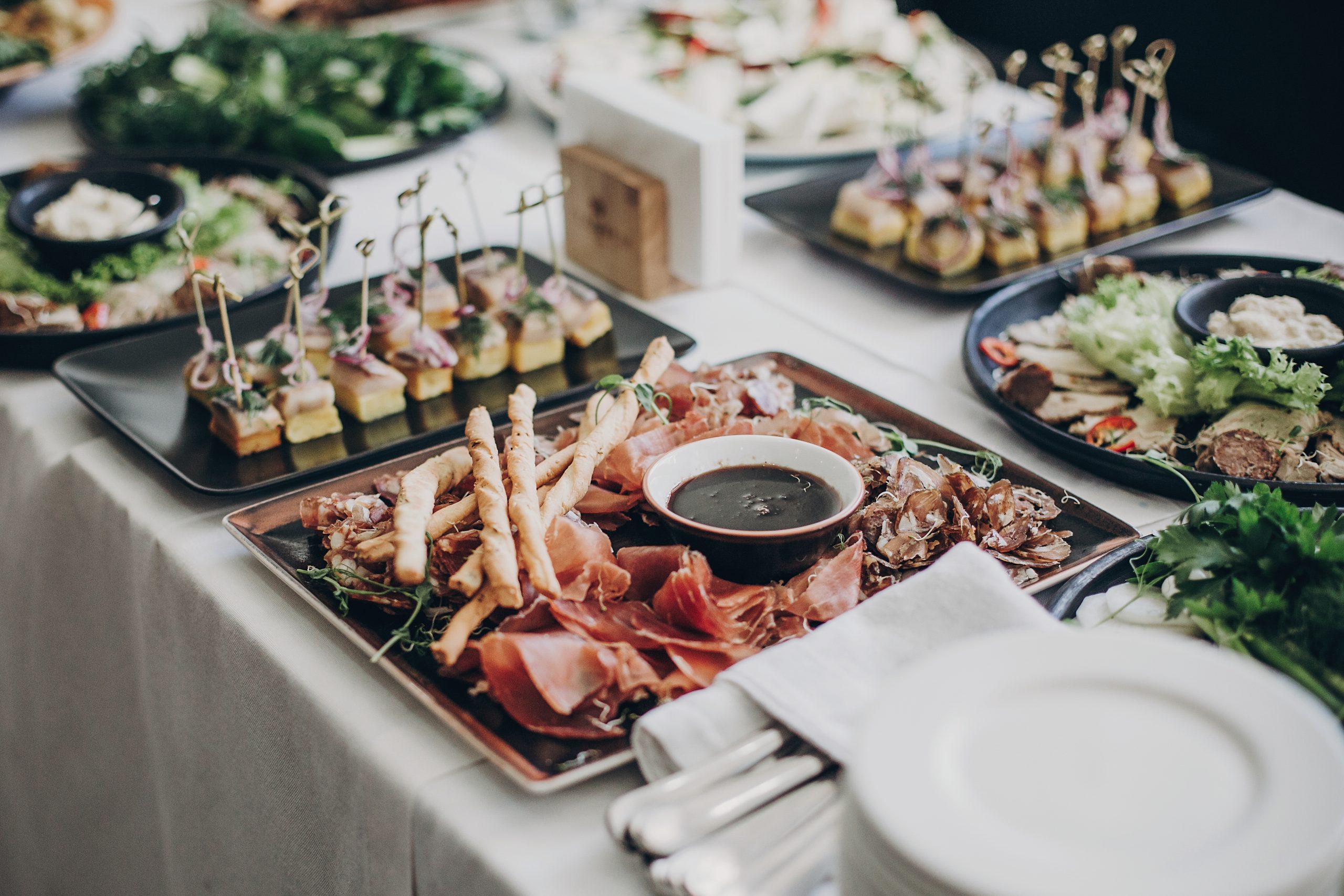

The success of any event in Chicago goes beyond delicious food—it also relies on how the catering is set up and presented. A thoughtfully planned catering setup ensures smooth service, enhances guest experience, and elevates the overall ambiance of the event. From weddings and corporate events to birthday parties and family gatherings, selecting the best catering setup is essential for leaving a lasting impression. Here’s a detailed guide on catering setups for various types of Chicago venues.
1. Buffet Style Setup
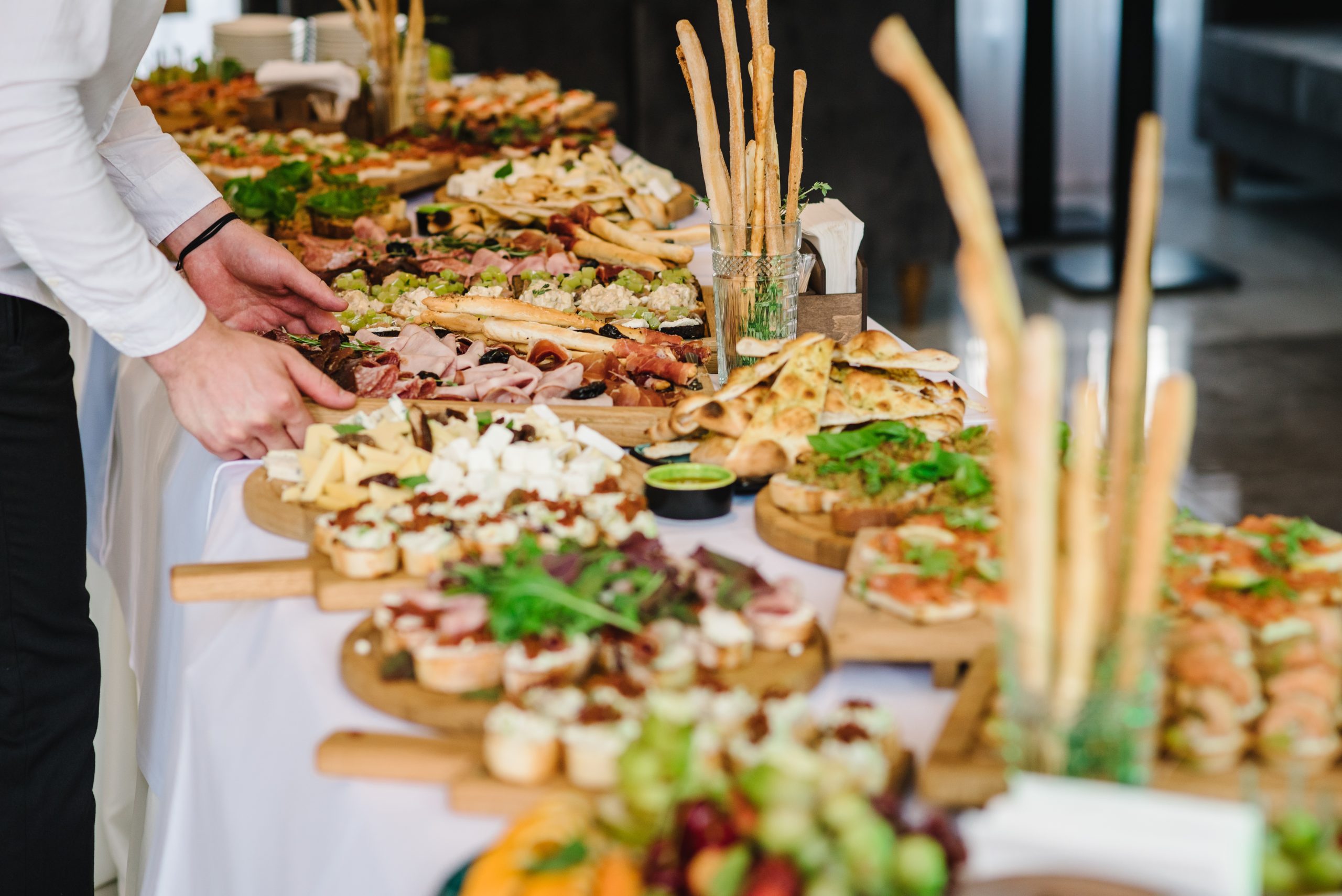
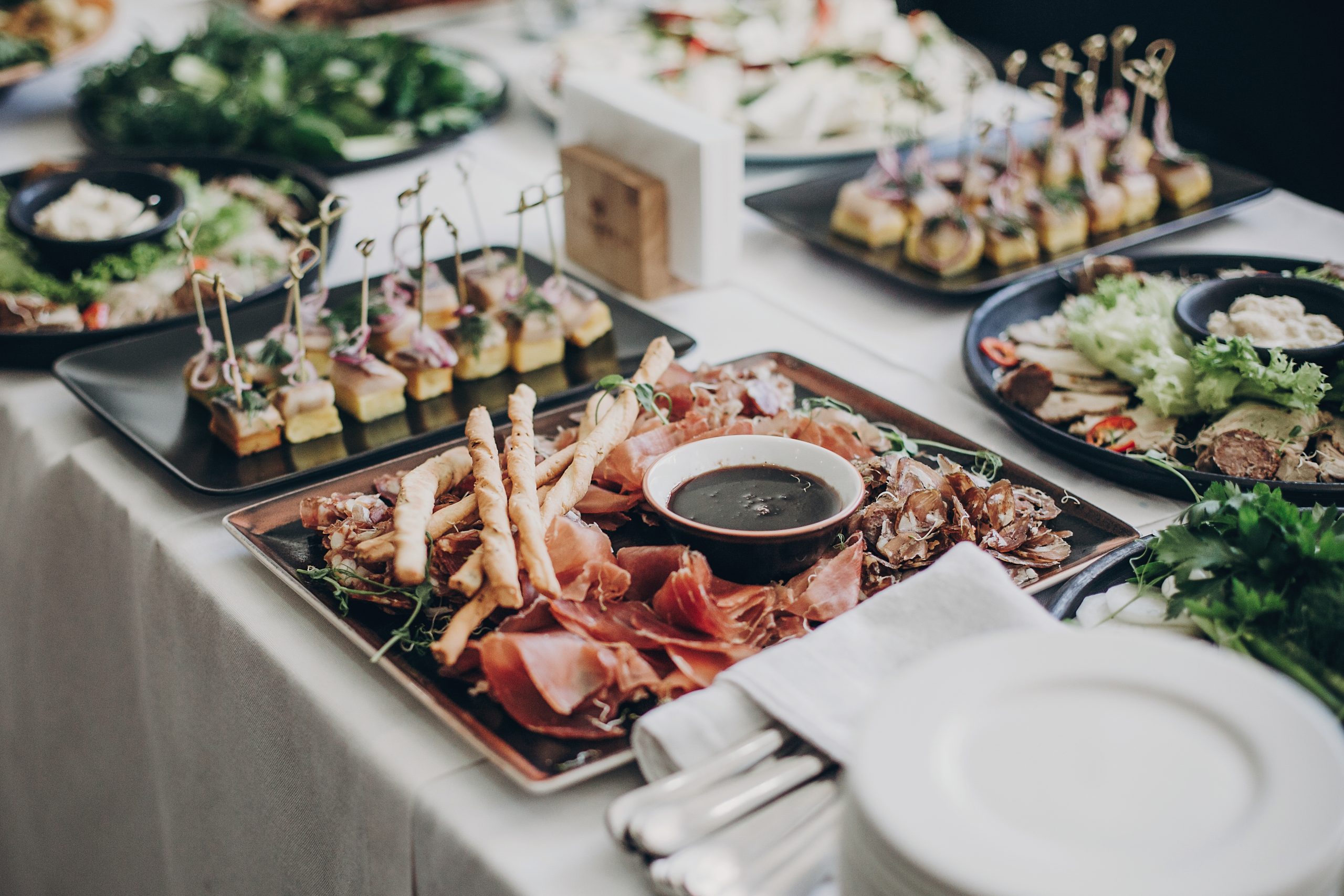
Buffet setups are one of the most popular catering arrangements for both casual and formal events. They offer flexibility, variety, and a relaxed dining experience.
-
Advantages: Guests can choose their portions and customize meals. Buffets accommodate large groups efficiently, making them ideal for weddings, corporate parties, or family gatherings.
-
Design Tips: Arrange dishes logically, starting with appetizers and salads, followed by main courses, sides, and desserts. Use multiple stations for large events to avoid crowding. Decorate the buffet with elegant linens, fresh flowers, or signage for a polished look.
-
Chicago Venue Consideration: Ensure the venue provides enough space for lines and stations. Outdoor buffets may need tents, covers, or shade structures to protect food and guests.
2. Plated or Seated Service
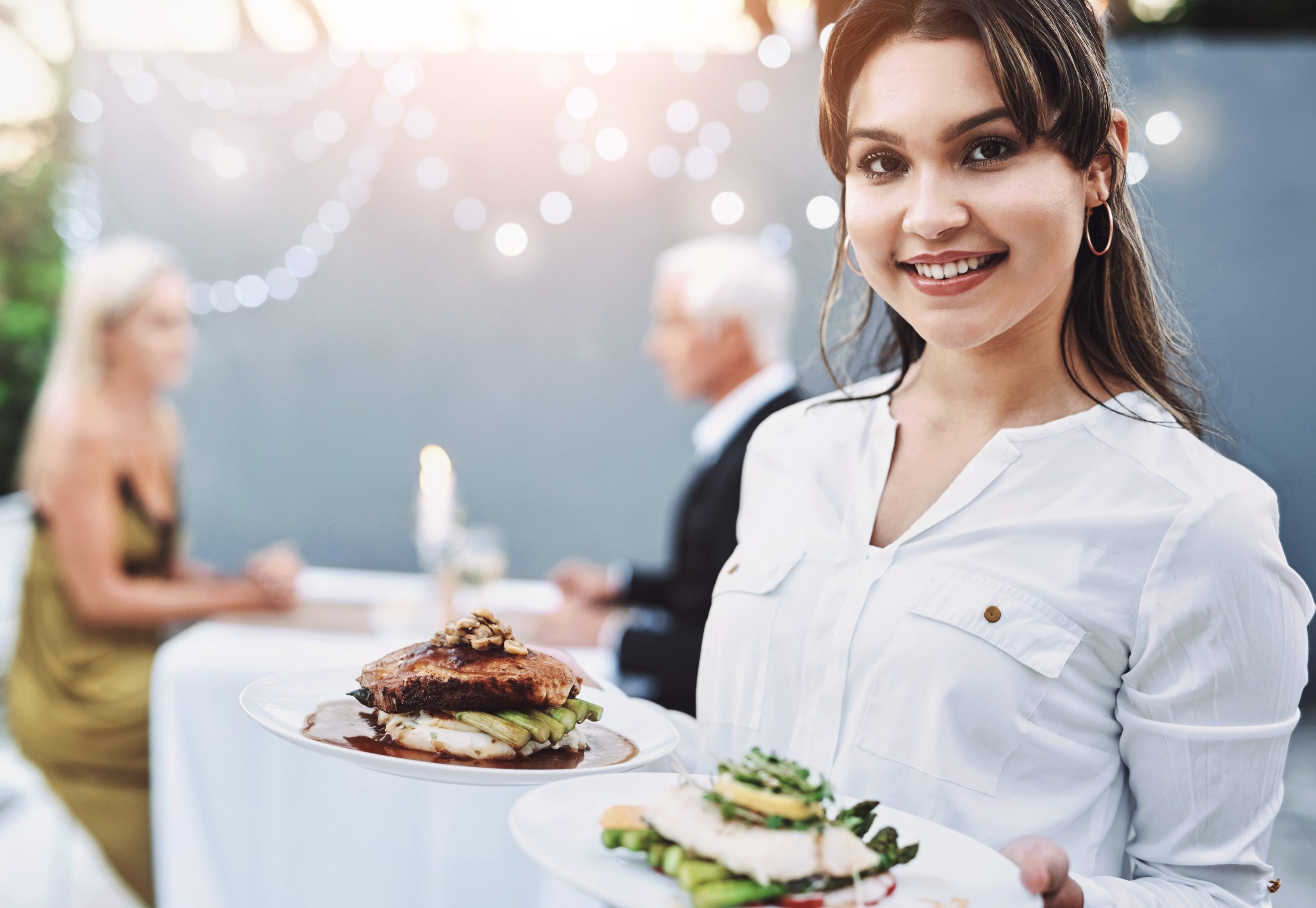
Plated service is a classic choice for formal events like weddings, galas, and high-end corporate dinners.
-
Advantages: Offers a refined and elegant experience. Portion control is easier, and presentation is consistent across all plates.
-
Design Tips: Plan courses in advance, ensuring timing aligns with speeches or entertainment. Use high-quality plates, garnishes, and coordinated table settings to enhance visual appeal.
-
Chicago Venue Consideration: Indoor venues with fully equipped kitchens are ideal for plated service. Caterers can prepare dishes on-site to maintain temperature and freshness.
3. Family-Style Service
Family-style catering encourages interaction and a communal dining experience. Large platters are placed on tables for guests to serve themselves.
-
Advantages: Fosters a warm, social atmosphere, perfect for weddings, anniversaries, or casual corporate events. Guests enjoy sharing and trying a variety of dishes.
-
Design Tips: Ensure platters are easy to reach and rotate periodically to avoid running out of food. Incorporate visually appealing arrangements and vibrant garnishes for an inviting presentation.
-
Chicago Venue Consideration: Tables should be spacious enough to accommodate platters without crowding. Indoor venues work best, but shaded outdoor areas are also suitable.
4. Interactive Stations and Live Cooking
Interactive stations are increasingly popular for modern events, providing guests with personalized dining experiences.
-
Advantages: Guests enjoy customizing meals at pasta bars, taco stations, carving stations, or dessert displays. This setup adds entertainment value and encourages engagement.
-
Design Tips: Position stations strategically to prevent crowding and ensure smooth flow. Use signage to guide guests and provide ingredient details. Consider including chef demonstrations for added flair.
-
Chicago Venue Consideration: Ensure access to electricity, water, and adequate space for live cooking. Outdoor events may require tents or wind protection for comfort and food safety.
5. Cocktail-Style and Passed Hors d’Oeuvres
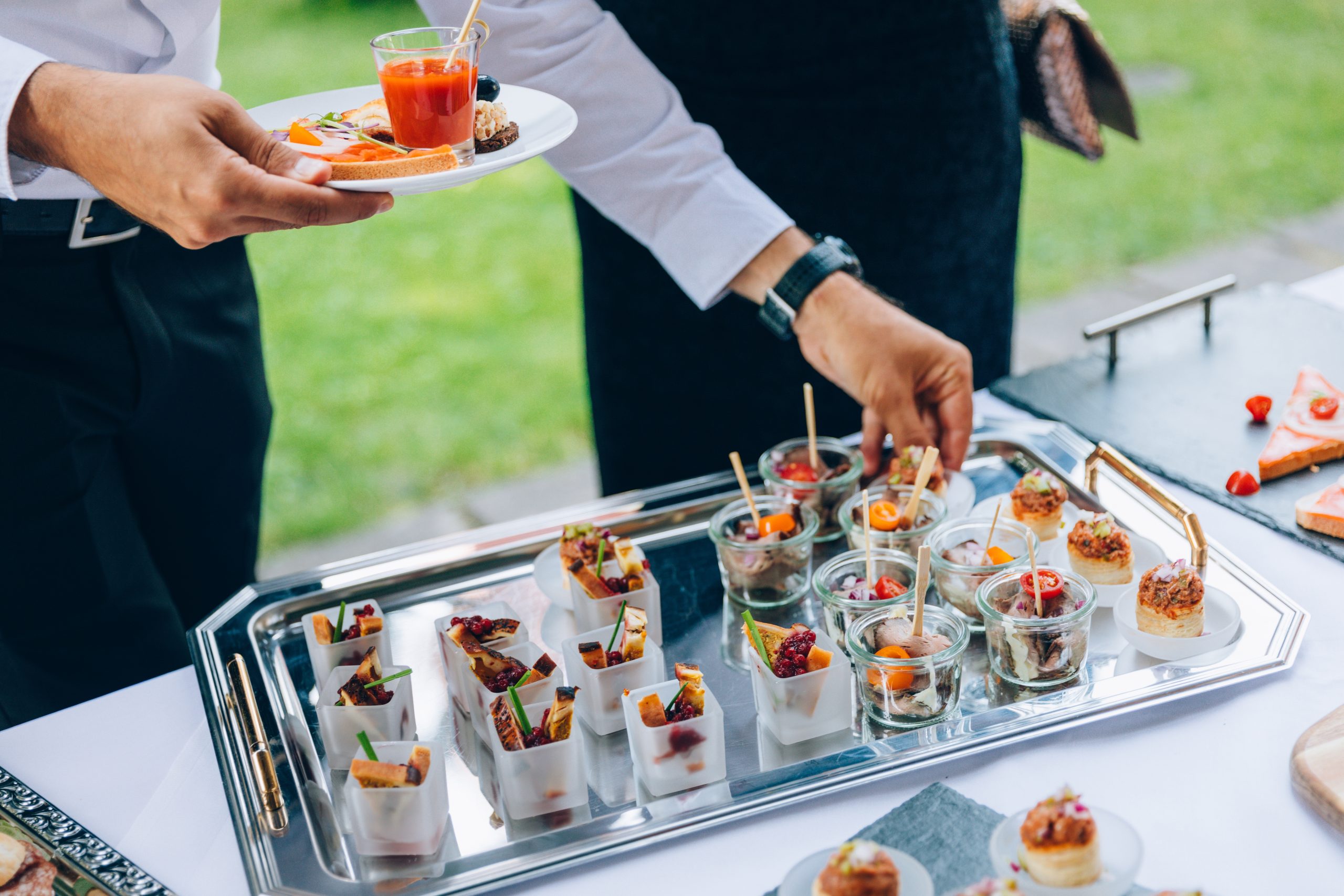
For networking events, corporate receptions, or intimate gatherings, cocktail-style setups are ideal.
-
Advantages: Guests can mingle while enjoying small, bite-sized dishes. Passed hors d’oeuvres create a sophisticated and mobile dining experience.
-
Design Tips: Coordinate the serving trays with event theme colors or décor. Schedule server rotations to ensure consistent service. Combine warm and cold hors d’oeuvres for variety.
-
Chicago Venue Consideration: Smaller indoor venues work well, but outdoor spaces can also be effective with strategically placed serving stations.
6. Dessert and Beverage Stations
Specialty stations for desserts and beverages can enhance the overall catering setup, leaving guests with a memorable experience.
-
Advantages: Dessert and beverage stations encourage social interaction and allow for self-service. Options include coffee bars, dessert tables, ice cream stations, or signature cocktails.
-
Design Tips: Use tiered displays, elegant trays, and decorative signage to elevate the station. Consider seasonal or themed décor to match the event style.
-
Chicago Venue Consideration: Ensure there is space for guests to gather without blocking pathways or buffet lines. Temperature control is crucial for desserts like chocolate or ice cream.
7. Hybrid Setups
Many Chicago events combine multiple catering styles to maximize guest satisfaction:
-
Start with passed hors d’oeuvres during a cocktail hour
-
Transition to a plated dinner or buffet for the main course
-
Include interactive dessert or beverage stations for added engagement
Hybrid setups allow caterers to tailor the experience to the event type, venue size, and guest preferences, creating a dynamic and memorable experience.
Conclusion
Choosing the right catering setup is essential for any Chicago event. Whether you select buffet, plated, family-style, interactive stations, or cocktail-style arrangements, the key is planning for smooth service, guest comfort, and visually appealing presentation. Consider the venue’s space, kitchen facilities, and environment when designing your setup.
Working with experienced caterers ensures that every detail—from table layouts to service flow—is executed flawlessly. A well-planned catering setup not only enhances the dining experience but also elevates the overall atmosphere, leaving guests impressed and ensuring your event is remembered for years to come.