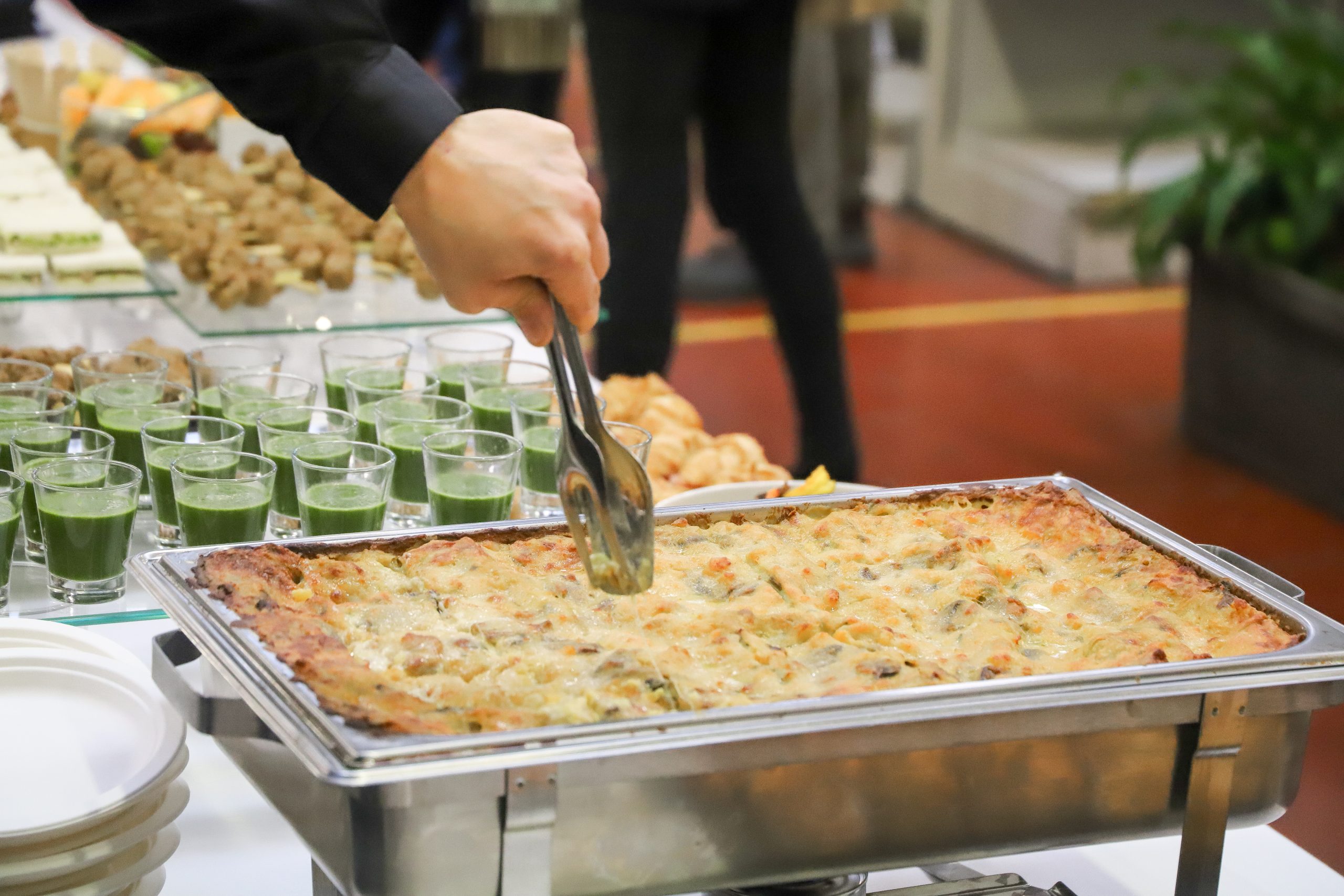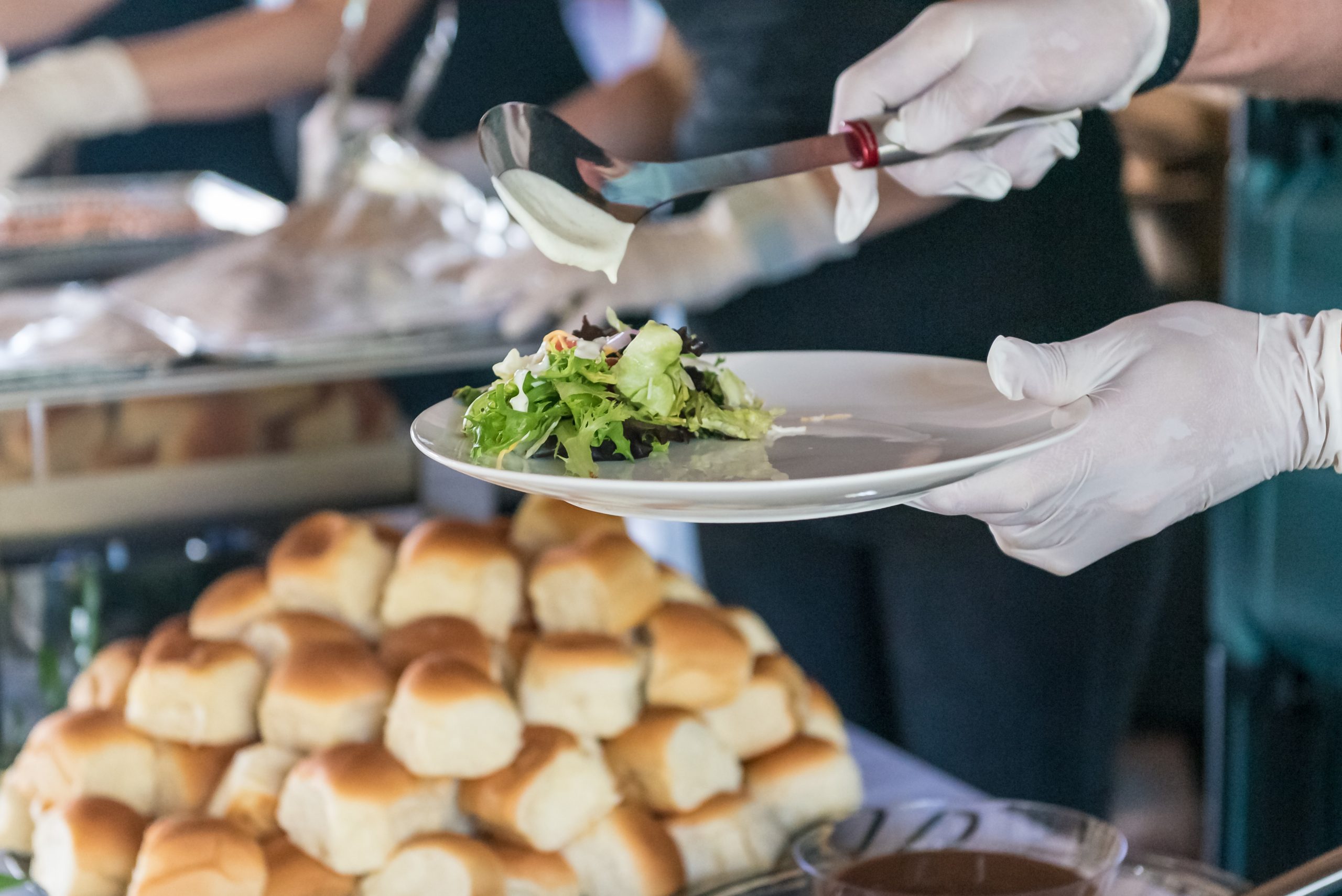



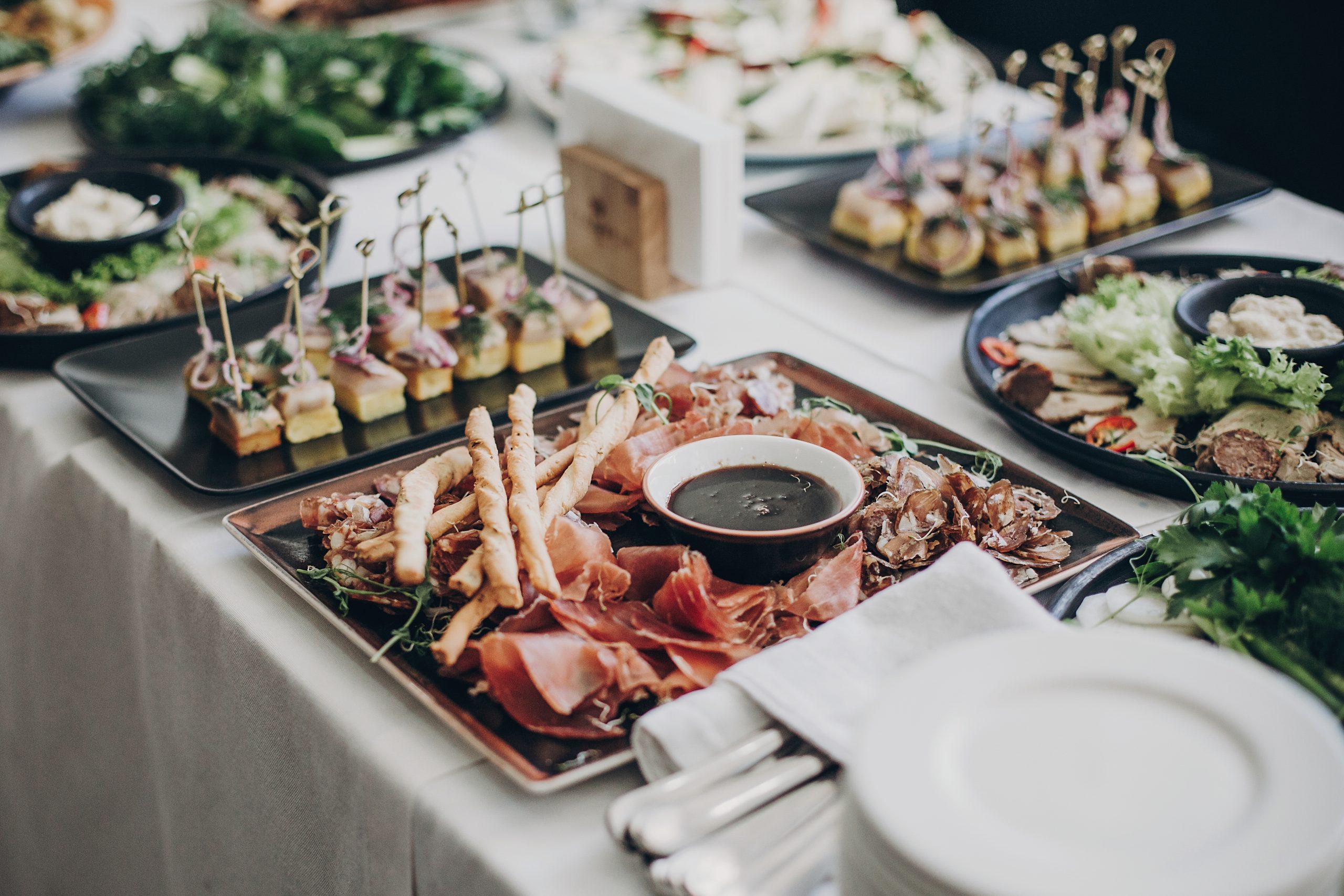



Catering for events in Chicago today requires more than just delicious food—it requires inclusivity and attention to special diets and preferences. Guests may have dietary restrictions due to allergies, health reasons, religious practices, or lifestyle choices. By thoughtfully planning for these needs, hosts can ensure that everyone enjoys a safe, delicious, and memorable dining experience. Here’s a comprehensive guide to catering tips for special diets and preferences.
1. Identify Dietary Needs Early
The foundation of accommodating special diets is gathering accurate information from your guests:
-
Ask about food allergies, intolerances, and dietary restrictions in RSVP forms.
-
Include questions about vegetarian, vegan, gluten-free, and dairy-free preferences.
-
Take note of religious or cultural requirements, such as kosher, halal, or fasting considerations.
Early identification allows caterers to plan menus and prepare dishes that meet guests’ specific needs.
2. Collaborate with Experienced Caterers
Professional caterers in Chicago have experience managing diverse dietary requirements. Collaborate closely with your caterer to:
-
Design menus that are inclusive and flavorful.
-
Substitute ingredients safely without compromising taste or presentation.
-
Plan separate preparation areas for allergy-friendly or specialty dishes.
Working with experienced caterers ensures safe, high-quality food that meets all dietary needs.
3. Offer Variety in Menu Options
A well-balanced menu with multiple options allows guests to choose meals that suit their preferences:
-
Include meat, fish, and plant-based entrees.
-
Offer gluten-free, dairy-free, and nut-free alternatives.
-
Incorporate fresh vegetables, grains, and legumes to appeal to health-conscious or vegan guests.
Providing a variety ensures that no guest feels excluded and enhances the overall dining experience.
4. Prevent Cross-Contamination
Food safety is essential when catering for special diets:
-
Use separate utensils, cutting boards, and cookware for allergen-free dishes.
-
Store ingredients for different dietary requirements separately.
-
Train staff to handle food carefully and follow hygiene protocols.
Cross-contamination can have serious health consequences, so attention to detail is critical.
5. Clearly Label Dishes
Clear labeling helps guests make informed choices:
-
Indicate allergens like nuts, gluten, shellfish, and dairy.
-
Highlight vegetarian, vegan, or other special dietary options.
-
Use color-coded signs or symbols for quick identification.
Proper labeling builds trust and ensures guests feel confident about their food choices.
6. Consider Interactive or Customizable Stations
Interactive stations give guests control over their meals and cater to various dietary preferences:
-
Salad bars, grain bowls, and taco stations allow guests to select safe ingredients.
-
Build-your-own dessert or snack stations accommodate vegan, gluten-free, or nut-free preferences.
-
Live cooking stations enable caterers to prepare dishes to individual specifications.
Customizable setups enhance the guest experience while reducing risk for those with special diets.
7. Include Specialty Beverages
Catering isn’t just about food—drinks are equally important:
-
Provide dairy-free milk alternatives for coffee or tea.
-
Offer non-alcoholic beverages for those who avoid alcohol.
-
Include health-conscious options like infused water, herbal teas, or fresh juices.
Thoughtful beverage options complement the inclusive menu and cater to diverse preferences.
8. Communicate Clearly with Guests
Transparency fosters trust and satisfaction:
-
Let guests know which dishes meet specific dietary needs.
-
Provide ingredient lists if necessary.
-
Encourage guests to inform staff about any last-minute concerns or restrictions.
Clear communication ensures that guests feel valued and safe.
9. Plan for Desserts and Treats
Desserts should also accommodate special diets:
-
Include gluten-free, vegan, or nut-free options.
-
Offer a variety of flavors to appeal to all guests.
-
Use alternative ingredients like plant-based dairy, gluten-free flour, or natural sweeteners.
Inclusive desserts ensure that all guests can enjoy the sweet finale without worry.
10. Emphasize Creativity and Flavor
Special diets don’t have to compromise taste. Caterers can create delicious, visually appealing dishes that meet dietary requirements:
-
Experiment with global cuisines, fresh ingredients, and unique flavor combinations.
-
Focus on presentation to make inclusive dishes feel premium and exciting.
-
Use herbs, spices, and sauces to enhance flavor without relying on allergens.
Creative menus ensure that all guests, regardless of dietary needs, enjoy a satisfying meal.
Conclusion
Catering for special diets and preferences requires planning, communication, and attention to detail. By identifying dietary needs early, collaborating with experienced caterers, offering a variety of menu options, preventing cross-contamination, labeling dishes clearly, and providing customizable stations and beverages, hosts can create a safe and enjoyable dining experience.
In Chicago, where guests expect quality and professionalism, catering for special diets enhances guest satisfaction and leaves a lasting impression. Thoughtful planning ensures that every guest, regardless of dietary restrictions or preferences, can enjoy delicious, safe, and memorable meals at your event.