




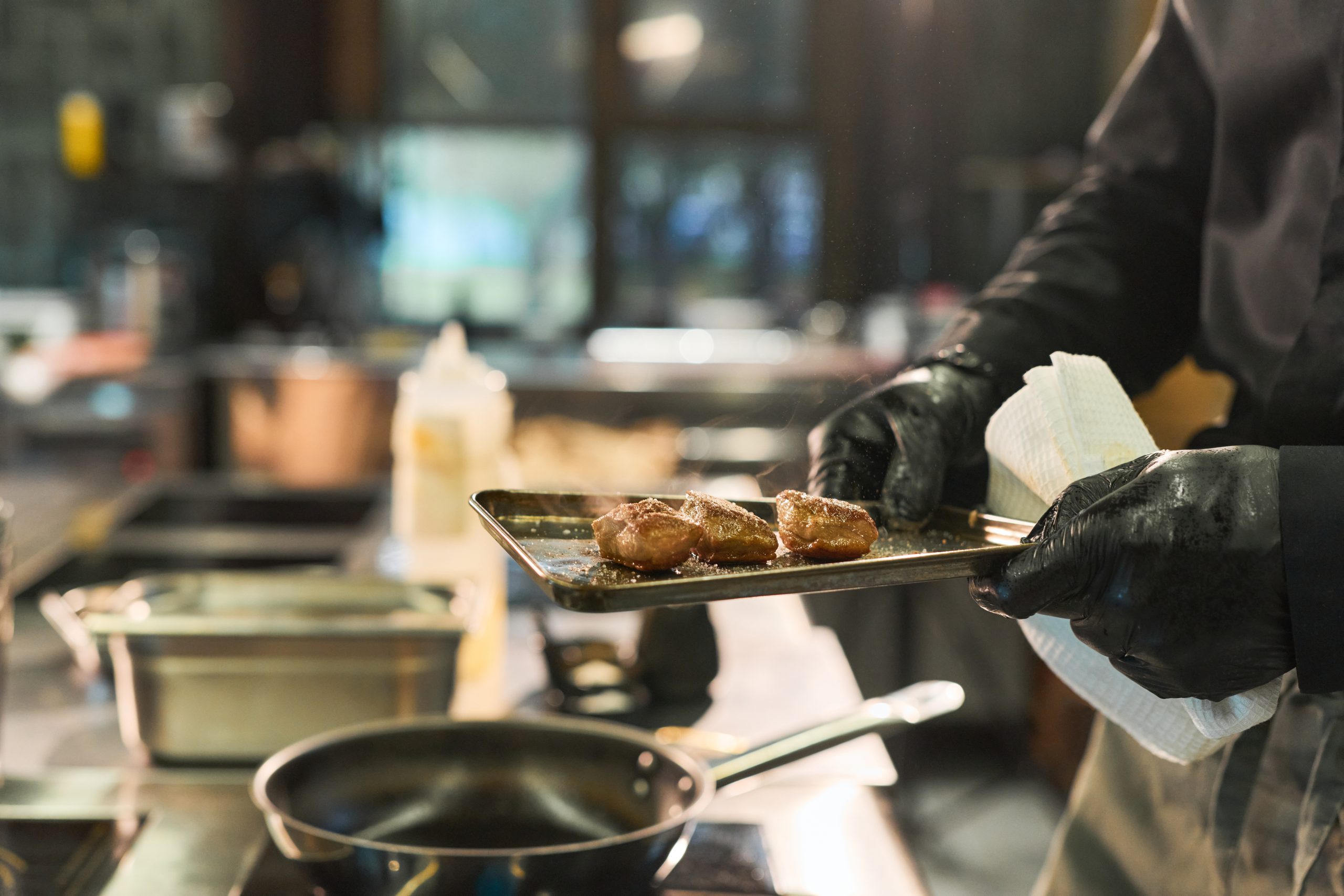
When it comes to hosting a successful event, whether it’s a wedding, corporate gathering, or family celebration, food is often the centerpiece. Guests may remember the venue or the décor, but it’s the flavors, presentation, and creativity of the menu that leave a lasting impression. For chefs in Chicago’s bustling catering scene, crafting a memorable menu is both an art and a science. But what exactly goes into designing a menu that delights every guest? Let’s explore how catering chefs create menus that are as unforgettable as the events they serve.
1. Understanding the Event and Audience
The foundation of a memorable catering menu begins with understanding the event. Chefs must know the type of gathering, the number of guests, and the tone or style of the event.
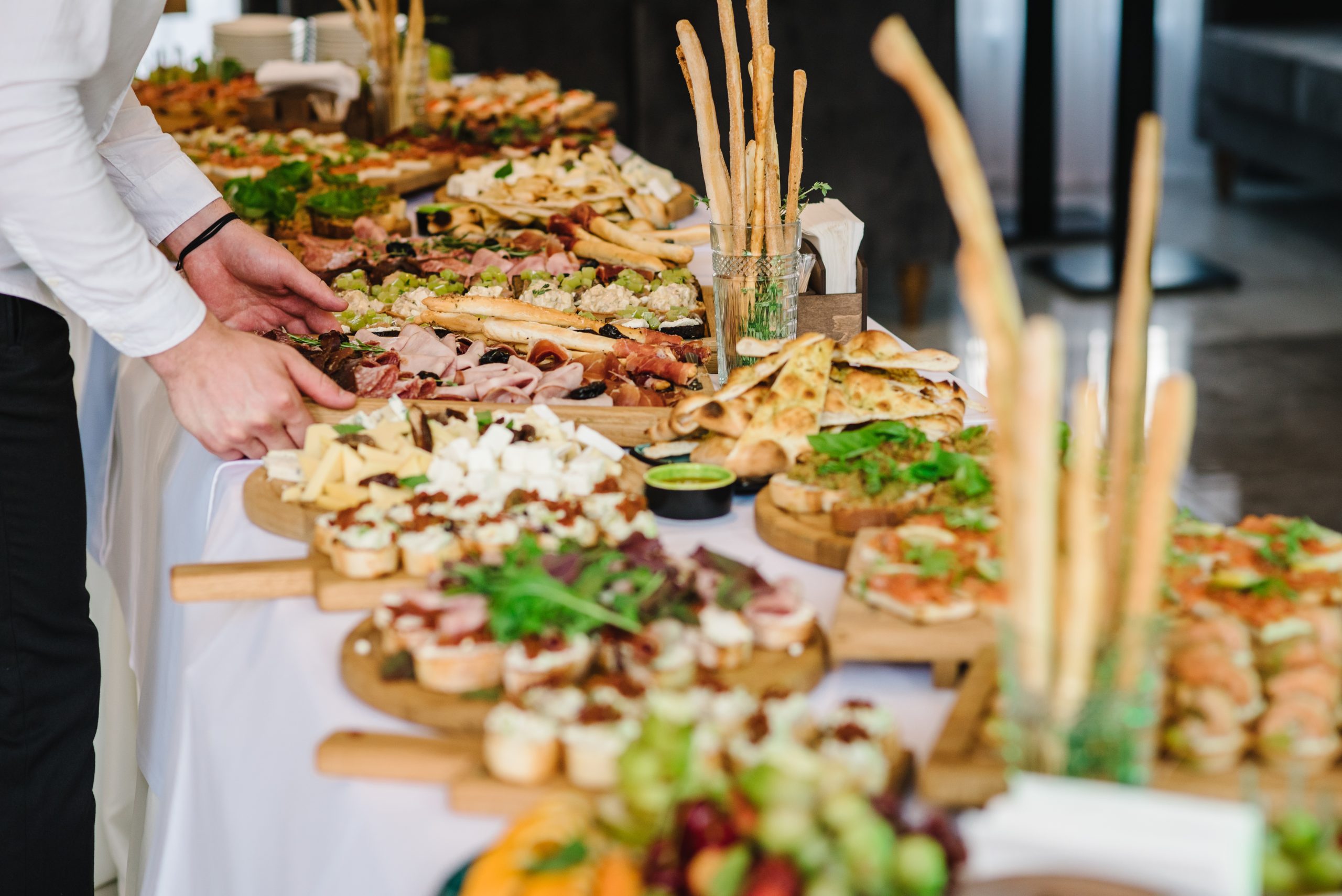
For weddings, menus often focus on elegance and refinement, with plated multi-course meals that highlight premium ingredients. Corporate events may require menus that are more flexible, with easy-to-eat hors d’oeuvres or buffet options suitable for networking. For casual family gatherings or birthday parties, chefs might focus on comfort foods or interactive stations to create a fun, engaging atmosphere.
Equally important is knowing the audience. Are the guests primarily young professionals, food enthusiasts, or families with children? Dietary preferences and restrictions — vegan, vegetarian, gluten-free, or allergen-friendly options — also shape menu design. By carefully considering the audience, chefs can craft a menu that balances creativity with practicality.
2. Balancing Flavor, Presentation, and Variety
A catering menu must be more than just tasty; it must also provide variety and visual appeal. Chefs carefully balance textures, colors, and flavors to ensure every course is exciting.
A successful menu often includes:
-
A mix of proteins and plant-based options to satisfy diverse palates.
-
Seasonal ingredients that highlight freshness and local flavors.
-
Contrasting flavors and textures in each course, such as a creamy appetizer followed by a crisp salad or a savory entrée with a zesty sauce.
-
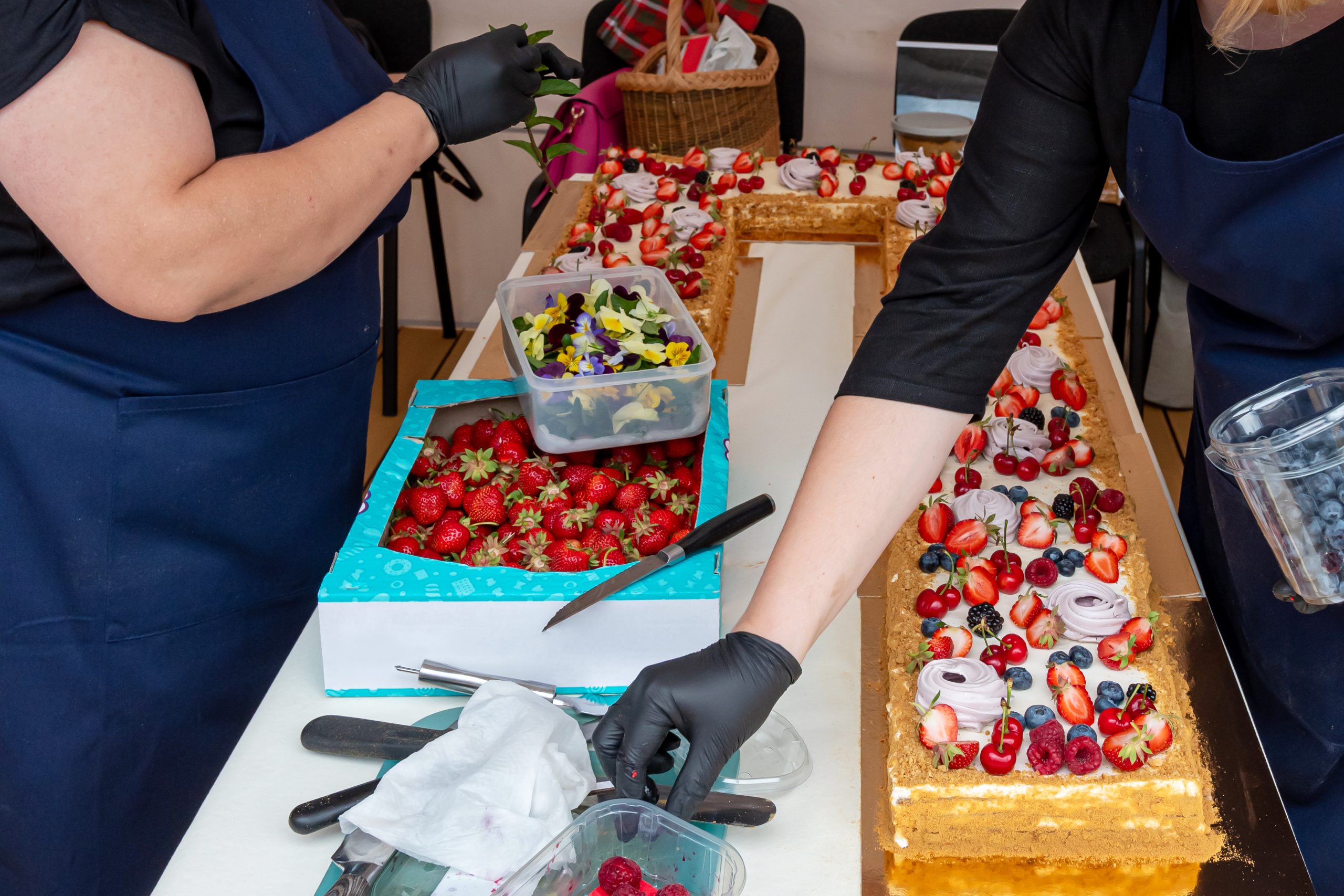
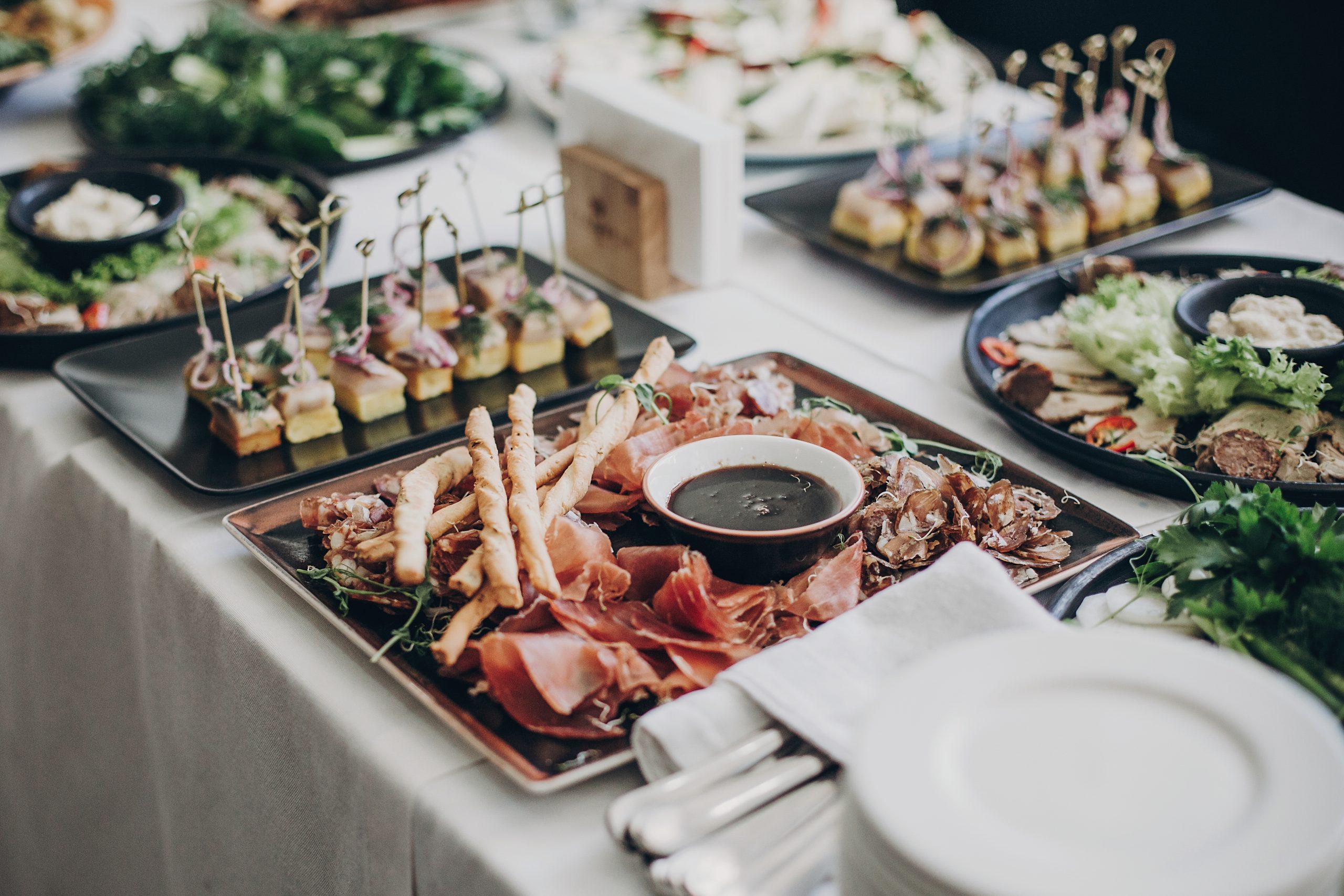
Visually striking presentation, because guests eat with their eyes first.
Chicago catering chefs frequently draw inspiration from international cuisines, blending flavors from Italian, Asian, Mediterranean, and Latin-American traditions to create dishes that feel both familiar and innovative.
3. Incorporating Seasonal and Local Ingredients
Using seasonal and locally sourced ingredients is a hallmark of memorable catering menus. Not only does it enhance flavor, but it also reflects care and thoughtfulness.
Chefs in Chicago often partner with local farms and suppliers to source fresh produce, sustainably raised meats, and high-quality seafood. Seasonal ingredients also allow menus to be creative and ever-changing — spring menus may feature asparagus and strawberries, while winter offerings highlight root vegetables and hearty grains.
In addition to freshness, local sourcing often supports sustainability, an increasingly important consideration for modern clients and guests.
4. Testing and Refining Dishes
A great menu doesn’t happen overnight. Before presenting dishes at an event, chefs often conduct tastings and iterations. This allows them to perfect seasoning, portion size, and presentation.
For larger events, chefs may test how a dish holds up over time — can it stay fresh and flavorful for buffet-style service? Does it travel well if the event is offsite? Chefs also consider how dishes will be served, whether plated, family-style, or as passed hors d’oeuvres, ensuring each option remains appealing.
5. Storytelling Through Food
Memorable catering menus often tell a story. Chefs may design dishes that reflect the couple’s personal tastes for weddings, highlight a company’s brand or theme for corporate events, or celebrate cultural heritage for family gatherings. By aligning the menu with the event’s theme or story, chefs create a cohesive experience that engages all the senses.
For example, a Chicago wedding might feature a modern twist on classic American comfort foods, served in an elegant, visually stunning way — combining nostalgia with sophistication.
6. Attention to Guest Experience
Chefs know that presentation is only one aspect of a great event. Service style, timing, and even the order in which dishes are served influence the overall experience. Interactive stations, live cooking demos, and thoughtful plating all enhance guest engagement.
For corporate events, menus might focus on convenience and variety, ensuring guests can enjoy food without interrupting networking. For social gatherings, chefs may create family-style platters that encourage sharing and conversation.
Conclusion
Creating a memorable catering menu is a careful balance of flavor, presentation, creativity, and guest experience. Chicago catering chefs combine local, seasonal ingredients with international inspiration, test dishes to perfection, and design menus that reflect the unique tone of each event. The result is not just a meal, but an experience that guests remember long after the event ends.
Whether you’re planning a wedding, corporate gathering, or family celebration, a thoughtfully crafted menu is the key to making your event truly unforgettable. By understanding the chef’s process, hosts can better communicate their vision and ensure that every bite leaves a lasting impression.