





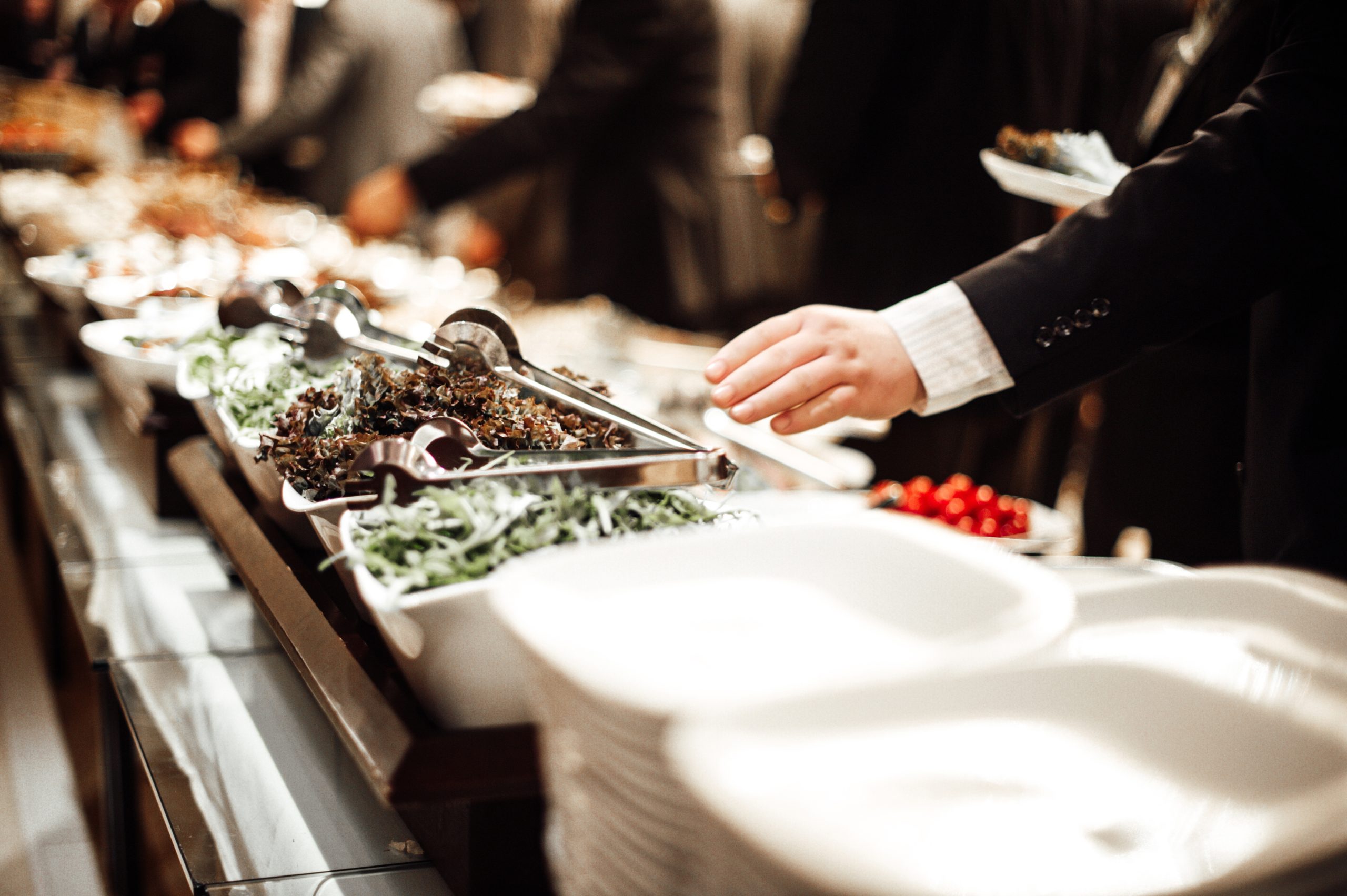
Catering is often one of the largest expenses when planning an event. Whether you’re organizing a birthday celebration, wedding reception, corporate gathering, or family milestone, food and beverage costs can quickly consume your budget. The good news is that cutting catering costs doesn’t mean compromising on quality. With thoughtful planning and smart decision-making, you can create an impressive experience without overspending.
Here’s how to cut catering costs smartly—without your guests ever noticing the difference.
1. Set a Clear Budget First
Before contacting caterers or planning a DIY menu, determine how much you can realistically spend on food and beverages. A common guideline is allocating 30–40% of your total event budget to catering. Once you know your limit, it becomes easier to make strategic decisions.
Having a firm number prevents impulse upgrades and unnecessary add-ons that can inflate costs quickly.
2. Simplify the Menu
More options mean higher ingredient costs, more labor, and increased food waste. Instead of offering multiple proteins, elaborate sides, and complex desserts, streamline your selections.
A well-balanced menu might include:
-
One primary protein
-
One vegetarian option
-
Two sides
-
One dessert
Fewer dishes executed well feel more refined than an overloaded buffet. Simplicity often translates into savings.
3. Choose Budget-Friendly Proteins
Protein is typically the most expensive part of catering. Smart substitutions can dramatically lower your overall costs.
Consider:
-
Chicken instead of beef or seafood
-
Pasta-based dishes that stretch protein
-
Rice bowls or casseroles
-
Vegetarian options like lentils, chickpeas, or roasted vegetables
For example, pasta dishes inspired by Italian cuisine from Rome can feel elevated while remaining cost-effective when made in large batches.
Stretching protein across hearty dishes keeps portions satisfying without increasing your grocery bill.
4. Opt for Buffet or Family-Style Service
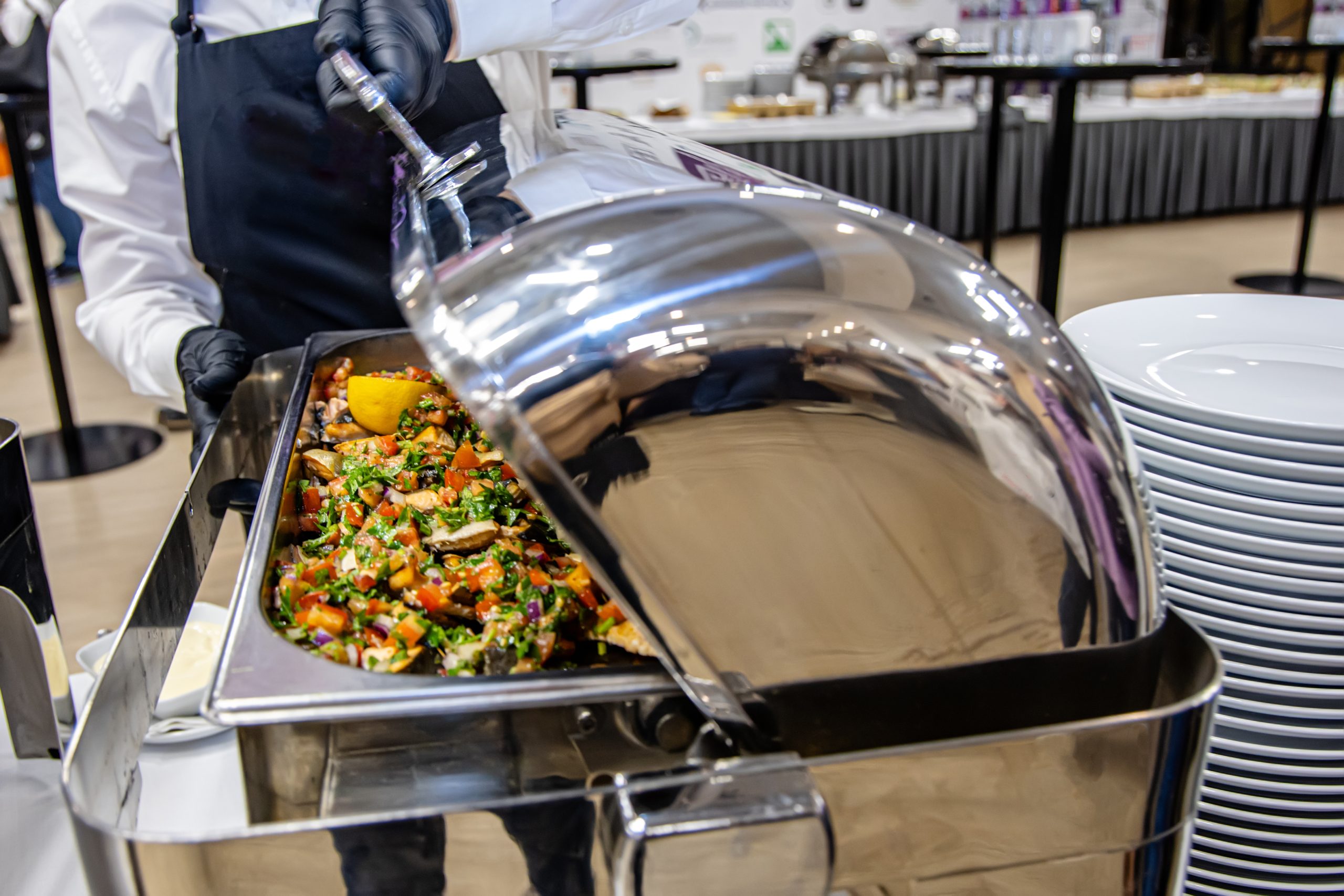
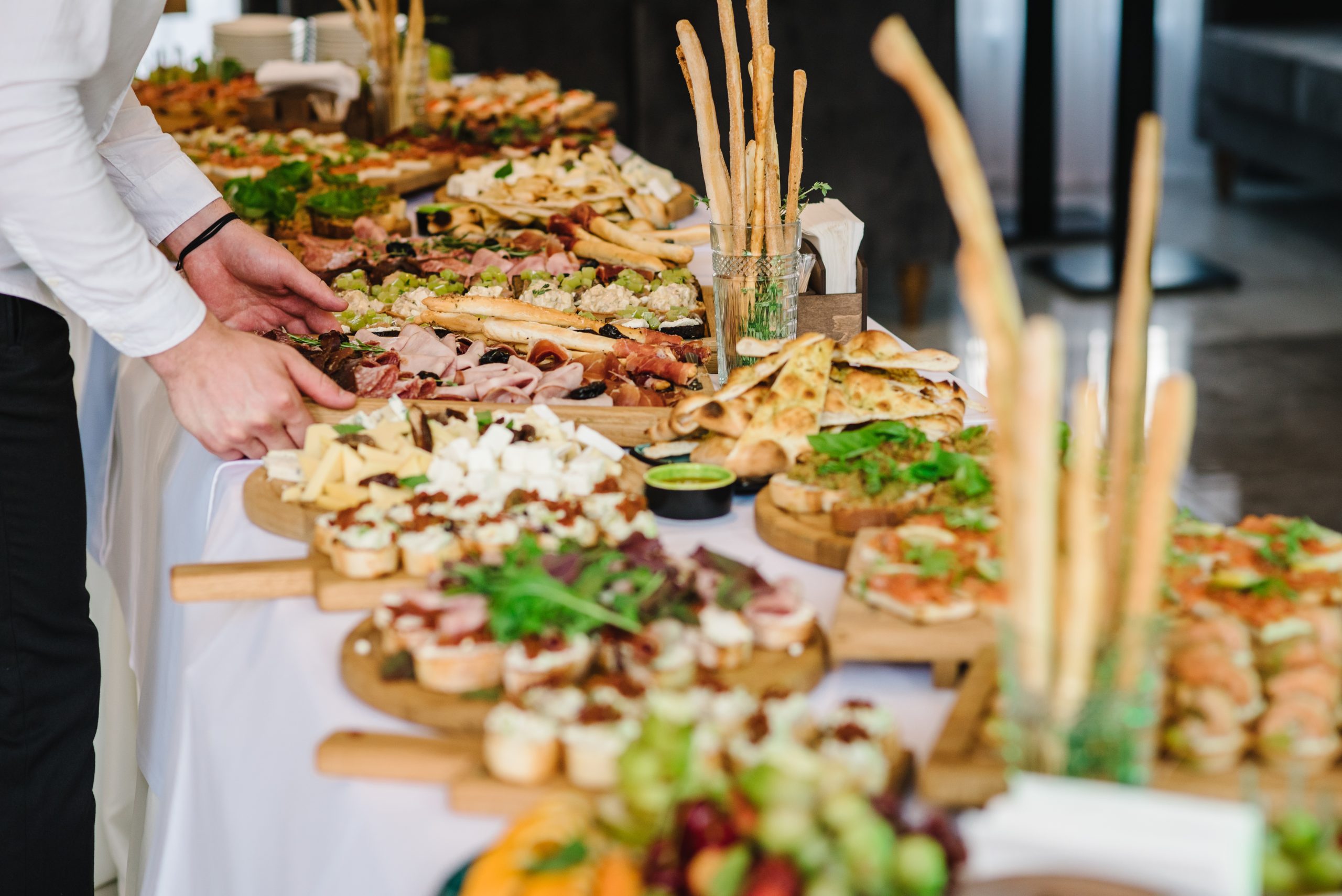
Plated dinners require more staff, precise portioning, and detailed presentation. Buffet or family-style service reduces labor costs and allows guests to serve themselves.
Many venues in cities like Chicago frequently recommend buffet-style setups because they are more budget-friendly and logistically efficient for medium-sized events.
Buffets also reduce food waste since guests take only what they want.
5. Limit the Bar Options
An open bar can significantly increase catering expenses. To cut costs smartly:
-
Offer beer and wine only
-
Provide one signature cocktail
-
Set a time limit on alcohol service
-
Include attractive non-alcoholic options
A curated beverage menu feels intentional and polished while keeping spending under control.
6. Choose Seasonal and Local Ingredients
Seasonal produce is fresher, more flavorful, and more affordable. Designing your menu around what’s in season reduces ingredient costs naturally.
For example:
-
Summer: berries, tomatoes, zucchini
-
Fall: squash, apples, root vegetables
-
Spring: leafy greens and asparagus
Using locally sourced ingredients can also reduce transportation costs and support nearby suppliers.
7. Adjust the Event Timing
The time of day significantly impacts catering costs. Dinner events are usually the most expensive because guests expect a full meal.
To save money, consider:
-
Hosting a brunch event
-
Planning an afternoon reception
-
Serving heavy appetizers instead of a full dinner
Brunch menus—such as egg casseroles, pastries, fruit platters, and coffee—are generally more affordable than formal dinner spreads.
8. Reduce Guest Count
One of the simplest ways to lower catering costs is to reduce the number of attendees. Even trimming 10–15 guests can noticeably impact your food budget.
Smaller gatherings also create a more intimate and meaningful experience. Focus on inviting those who matter most rather than expanding your list unnecessarily.
9. Avoid Overestimating Portions
Over-ordering food is a common mistake. Work with realistic portion estimates:
-
4–6 appetizers per person for shorter events
-
6–8 ounces of protein per guest
-
1 cup of side dish per person
Precise planning minimizes waste and protects your budget.
10. Skip Unnecessary Upgrades
Catering proposals often include optional upgrades such as premium linens, specialty plating, elaborate garnishes, or late-night snack stations.
Ask yourself:
-
Does this upgrade enhance the guest experience?
-
Or is it simply decorative?
If the upgrade doesn’t meaningfully improve the event, consider removing it.
11. Consider Partial DIY
If full DIY catering feels overwhelming, consider a hybrid approach. You might:
-
Order main dishes from a caterer
-
Prepare desserts yourself
-
Provide your own beverages
-
Handle décor and setup independently
This balanced strategy keeps professional quality where it matters most while trimming unnecessary costs.
Final Thoughts
Cutting catering costs smartly isn’t about reducing quality—it’s about prioritizing what truly matters. Guests remember good flavors, smooth service, and a welcoming atmosphere far more than premium ingredients or extravagant presentations.
By simplifying your menu, choosing cost-effective proteins, limiting bar options, adjusting timing, and managing portions carefully, you can stay within budget while still delivering an impressive event.
With thoughtful planning and strategic decisions, you can host a memorable gathering that feels abundant and polished—without exceeding your financial limits.